Travel Ideas
4 Places to Visit in Romania for Ancient History Enthusiasts
Romania is a country where history is felt at every step, and for ancient history enthusiasts, it is a true dream destination. Here, between the Carpathians, the Danube, and the Black Sea, traces of civilizations that profoundly shaped Europe’s development have been preserved. The territory of present-day Romania was once the center of the Dacian Kingdom, a powerful and mysterious civilization, and later became the province of Dacia, integrated into the vast machinery of the Roman Empire following Emperor Trajan’s campaigns. This tumultuous past has left behind impressive vestiges that continue to captivate both researchers and tourists alike.
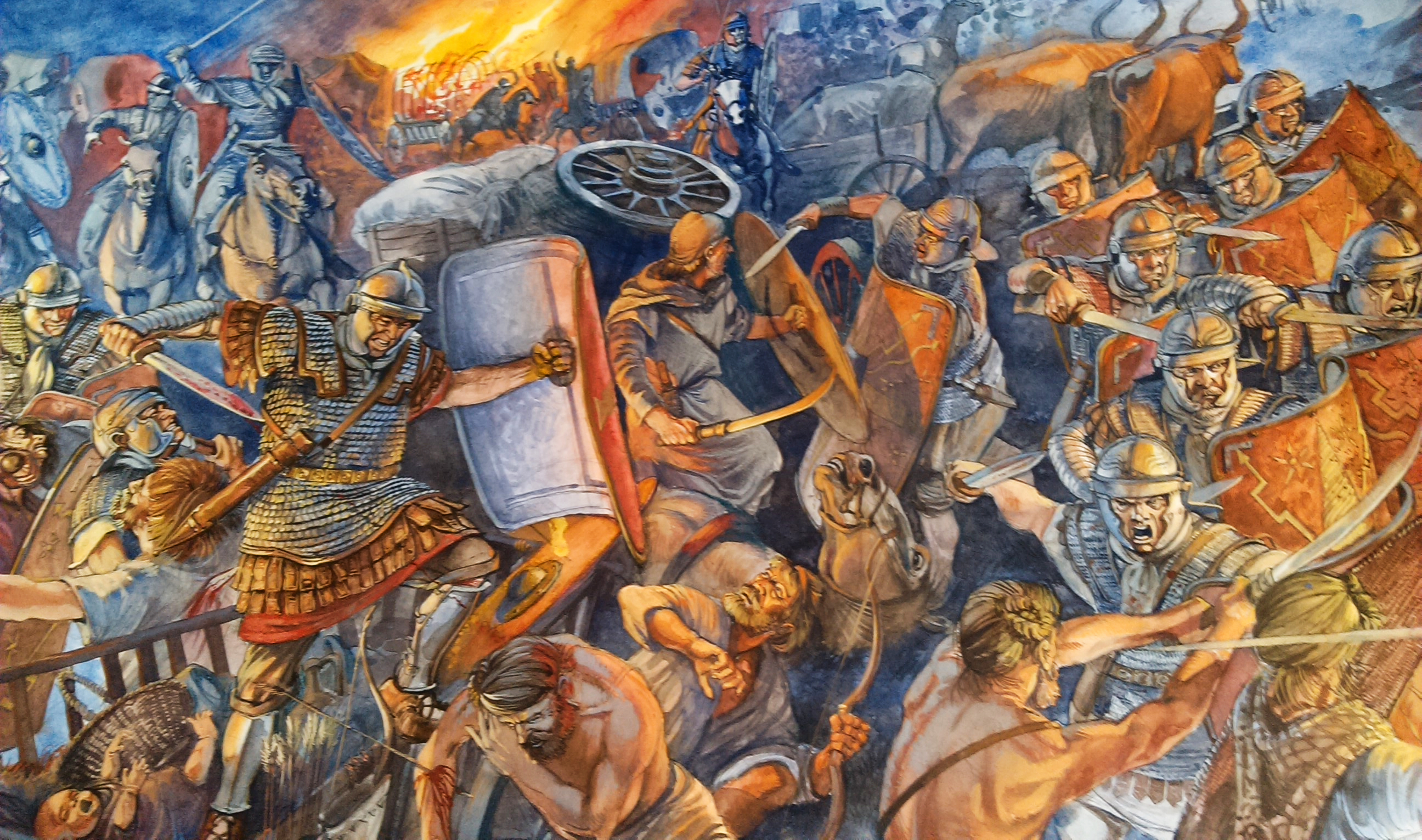
(Source: Radio România Actualități )
The list of places to visit is rich and varied: from the Roman castrum at Apulum (Alba Iulia), where the Roman legions established their headquarters, to the grand ruins of Sarmizegetusa Regia, the Dacian capital, where military power was intertwined with spirituality. To the east, on the shores of the Black Sea, lies Constanța (Tomis), a port city blending Greek and Roman influences, and the place where the poet Ovid lived in exile. In the heart of Transylvania, Sighișoara shows how the ancient heritage paved the way for a spectacular medieval city, preserved today as a UNESCO World Heritage site.
Each of these places is more than just a tourist attraction: it is a gateway to a fascinating past, an opportunity to better understand how Romania’s cultural identity was formed and the role this region played in European history. By visiting them, travelers don’t just walk through ruins, castles, or museums—they walk through living chapters of universal history.
Thus, for those seeking an authentic cultural experience and wishing to follow in the footsteps of Romans, Dacians, and great historical figures, these four destinations in Romania are choices that combine the beauty of landscapes with the thrill of discovery.
Alba Iulia – Apulum, the Roman city in the heart of Dacia
Few places in Romania breathe history as intensely as Alba Iulia. Today known as the "Citadel of the Great Union," during the Roman period the city was called Apulum and was one of the most important urban centers in the province of Dacia. After Emperor Trajan’s conquest of Dacia, the Romans transformed this area into a strategic and administrative hub, where imperial legions were stationed and a prosperous urban life developed.
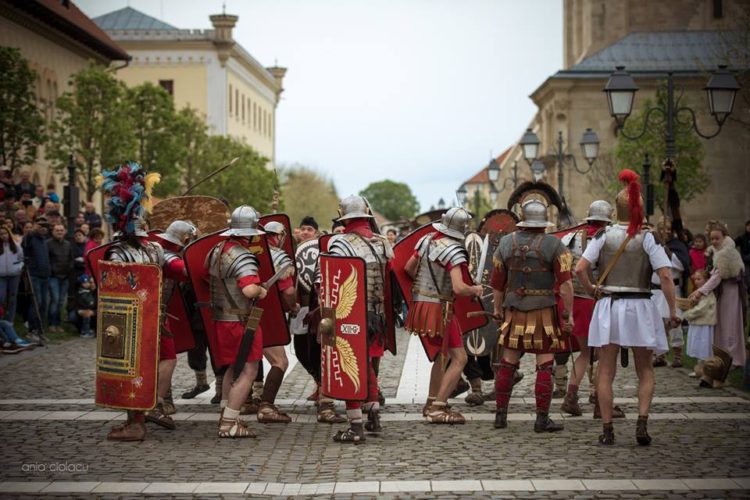
(Source: Alba Iulia )
Apulum was the headquarters of the 13th Gemina Legion, one of the most important military units of the Empire, and its presence ensured not only the security of the region but also its economic and cultural development. The ruins of the Roman castrum, remnants of defensive walls, inscriptions, and artifacts discovered in the area testify to a flourishing community where Romans and local Dacians coexisted and created a mixed culture.
Another aspect that makes Alba Iulia special is its historical continuity. Over the Roman ruins, medieval fortifications were built over the centuries, followed by the spectacular Alba Carolina Citadel, constructed in the 18th century in Vauban style. This layering of eras makes the city a true open-air museum, where visitors can travel through time from antiquity to the modern age simply by walking through the historic center.
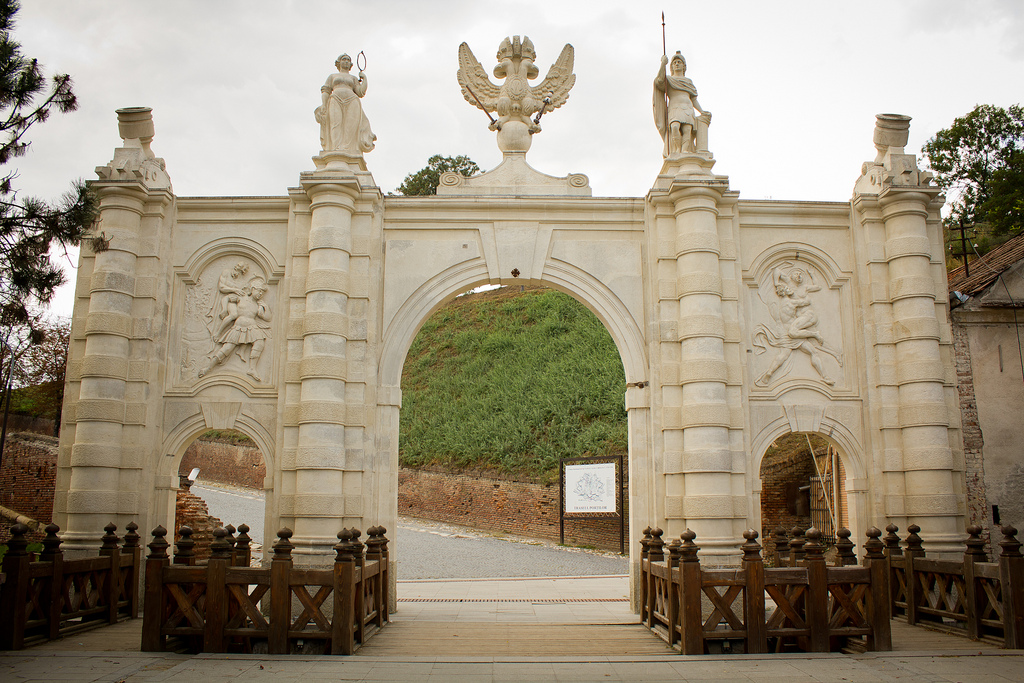
(Source: Wikipedia )
Today, visitors can explore fragments of the Roman castrum, visit the National Museum of the Union, which displays ancient artifacts discovered at Apulum, and feel at every step the close connection between Alba Iulia and the Roman imperial past. For ancient history enthusiasts, a visit to Alba Iulia is not just a trip, but an immersive experience into one of the most fascinating chapters of Roman Dacia’s history.
Sarmizegetusa Regia – the capital of the Dacian Kingdom
If Alba Iulia speaks of Roman glory, then Sarmizegetusa Regia stands as a living testimony to the power and grandeur of the Dacians. Located in the Orăștie Mountains at over 1,000 meters above sea level, this fortified settlement was the political, military, and spiritual capital of the Dacian Kingdom before the Roman conquest. Strategically built on a hard-to-reach height, the citadel served as the center of a complex network of fortifications designed to protect the heart of Dacia.

(Source: Basilica )
In the 1st century BC and 1st century AD, Sarmizegetusa Regia was more than just a city: it was the heart of a civilization. The ruins uncovered here reveal not only strong walls and bastions but also temples, sanctuaries, and structures with administrative functions. The most impressive remnant is the large circular sanctuary, believed to have had both a religious and an astronomical role, used to measure time and perform sacred rituals. This combination of military strength and spirituality makes Sarmizegetusa a unique site in ancient Europe.
After Emperor Trajan’s conquest of Dacia in 106 AD, the citadel was destroyed, and the Dacians lost their political and religious center. Yet the ruins survived the passage of time, and today they continue to attract archaeologists, historians, and passionate tourists. Sarmizegetusa Regia has been included in the UNESCO World Heritage List, recognizing its importance for world history.
Visitors arriving here do not just discover old stones and walls; they walk in the footsteps of an enigmatic civilization, many mysteries of which remain unsolved. Legends of Decebal, the leader of the Dacians, and of heroic battles with the Romans give the place a unique, almost mythical atmosphere.
Sarmizegetusa Regia is, therefore, a must-visit destination for anyone wishing to understand the origins of Romanian history and to feel, even for a moment, the grandeur of the Dacian world.
Constanța – Tomis, the citadel on the Euxine Sea
On the shores of the Black Sea lies one of Romania’s oldest cities, a place where Greek and Roman history intertwined: Constanța, known in antiquity as Tomis. Originally founded by Greek colonists in the 6th century BC, the city later came under Roman rule and became a prosperous port of the Empire, serving as a major commercial and cultural center for the Pontus Euxinus region.
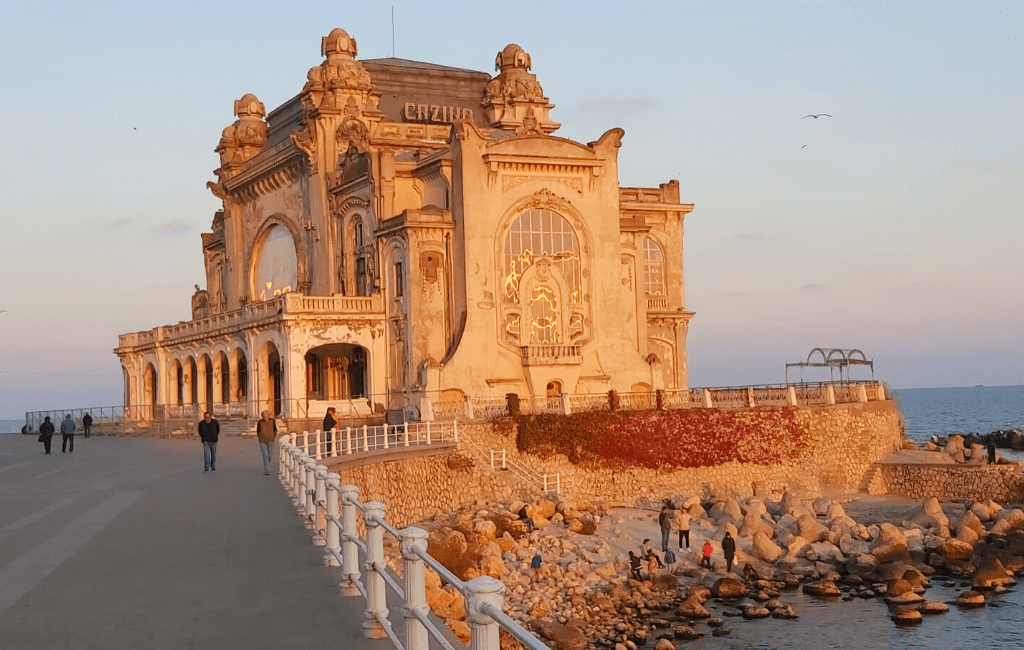
(Source: Visit Bucharest )
One of the most fascinating episodes in Tomis’ history is linked to the exile of the Latin poet Ovid, sent here by Emperor Augustus. In his writings, Ovid describes life on the edge of the Empire, his encounters with the Getae, and the maritime landscape of Dobruja, leaving a unique literary legacy for the city.
Under Roman rule, Tomis experienced a period of prosperity. Public baths, aqueducts, and a complex of administrative and commercial buildings were constructed, the ruins of which can still be visited today. Among the most important discoveries is the Roman Mosaic, a monumental structure connecting the port to the city, as well as fragments of the ancient defensive walls.
Today, Constanța continues to attract visitors not only with the beauty of its coastline but also with its archaeological heritage. The National History and Archaeology Museum houses one of Romania’s richest collections of Greco-Roman artifacts, including sculptures, inscriptions, and everyday objects found in the Tomis area. Additionally, the statue of Ovid in the city center stands as a symbol reminding visitors of its Roman past.
For ancient history enthusiasts, Constanța offers a unique experience: it is a place where you can stroll along the promenade, admire the sea, and realize that the same waves were watched two millennia ago by Roman soldiers, Greek merchants, and the exiled poet who left an eternal mark on the city.
Deva – from the Roman castrum to the medieval citadel
Located in the heart of Transylvania, at the foothills of the Apuseni Mountains, Deva is today known for its imposing medieval citadel, but the city’s history begins much earlier, in the Roman period. The area around Deva lies near the ancient settlements of the province of Dacia, where the Roman Empire built a strategic network of roads, castra, and military settlements to maintain control over the newly conquered province.
Deva was only a few kilometers from Ulpia Traiana Sarmizegetusa, the Roman capital of Dacia, making the region an important center for the province’s military and economic life. Numerous archaeological discoveries—inscriptions, coins, and everyday objects—attest to the strong Roman presence in the area and the connections between locals and settlers. It is even believed that a Roman castrum once stood on or near the current city site, overseeing the commercial and military routes of the region.
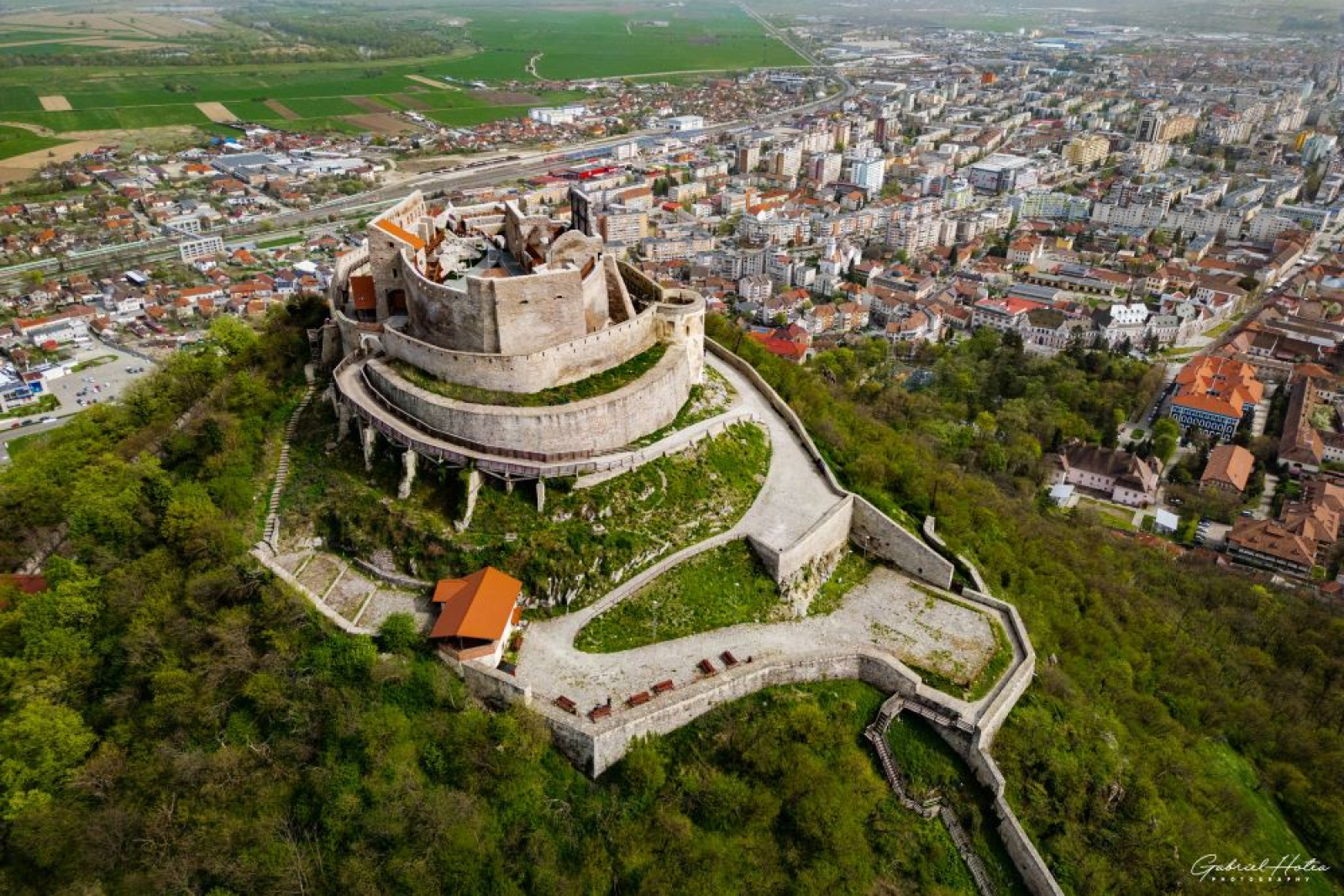
What makes Deva fascinating is how Roman history intertwines with the medieval period. After the Romans withdrew, the region remained inhabited, and on the hill overlooking today’s city, the Deva Citadel was built in the 13th century. Constructed on a former strategic point, the citadel continued the tradition of the site as a defensive and control center. Today, its ruins watch over the city and offer visitors a spectacular view of the surroundings, reminding them that Deva has always been a space where past and present meet.

(Source: The Crazy Tourist )
For ancient history enthusiasts, a visit to Deva is not complete without stopping at the Dacian and Roman Civilization Museum, which houses impressive collections of artifacts from local archaeological sites. These objects tell the story of an era when Deva and its surroundings were an integral part of the complex mosaic of Roman Dacia.
Thus, Deva is not only a spectacular medieval city but also a window into the Roman history of Transylvania, a testament to the continuity and successive transformations that have shaped the identity of this region.
Conclusion
A journey through Alba Iulia, Sarmizegetusa Regia, Constanța, and Deva reveals just how rich and diverse Romania’s historical heritage is. Each of these places represents an essential chapter of our past—from Dacian glory and Roman conquests to medieval flourishing and the legends that have shaped European history.
Alba Iulia tells the story of the Roman province of Dacia, where the legions left deep marks. Sarmizegetusa Regia recalls the courage of the Dacians and their fight for freedom. Constanța highlights the connection with the Greco-Roman world and the literary spirit of Ovid, while Sighișoara shows how the ancient heritage paved the way for one of the most spectacular medieval cities in the world.
For ancient history enthusiasts, these destinations are more than just places to visit—they are living lessons about the civilizations that shaped Romania’s identity. They offer the rare opportunity to walk in the footsteps of Romans, Dacians, merchants, and rulers, and to understand how each era contributed to the story we live today.