Idei de călătorii
4 Saxon villages worth visiting this autumn
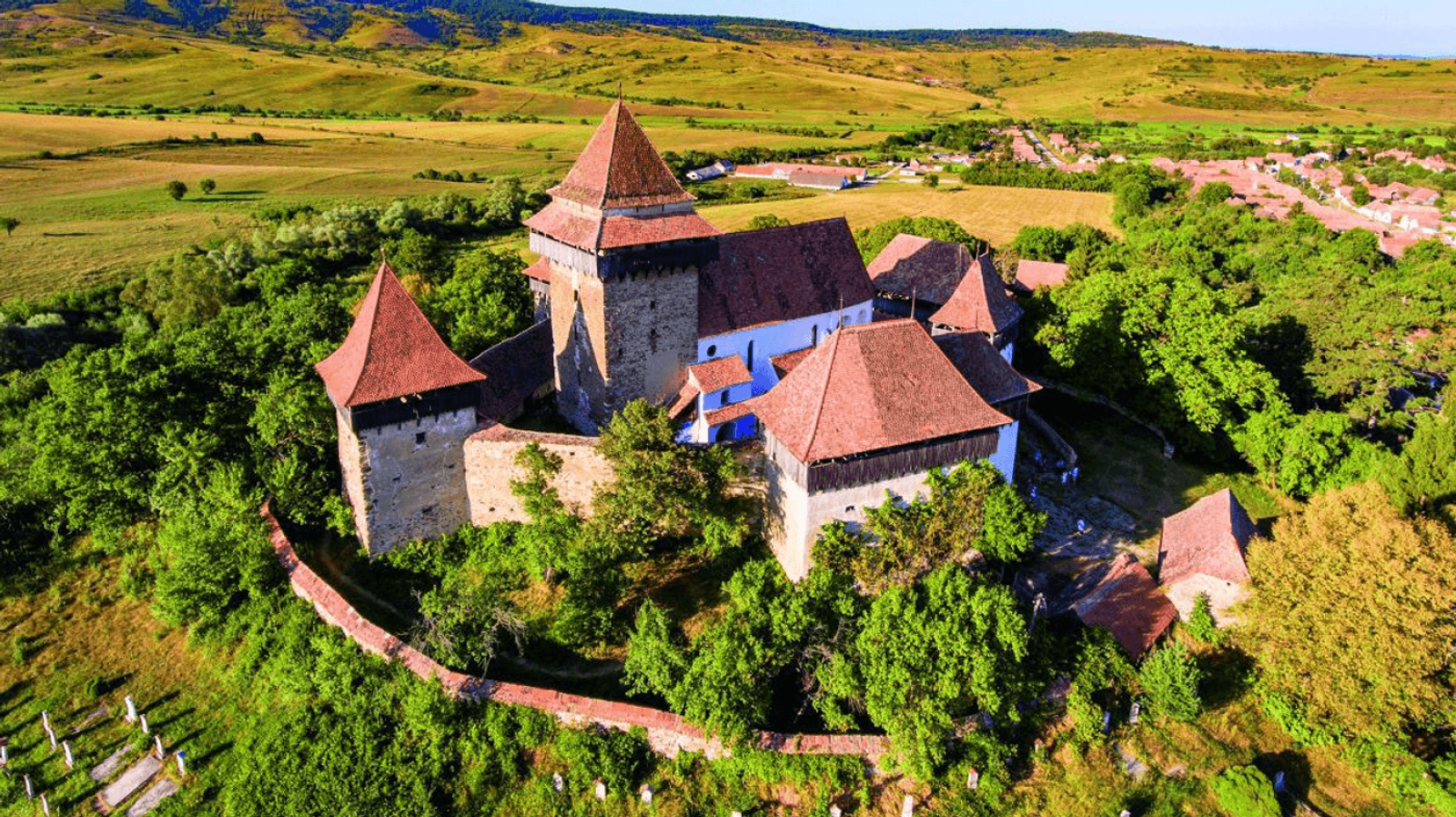
Autumn is the season that transforms Transylvania into a true fairytale: forests dress in shades of red, gold, and copper, vineyards ripen under the gentle sunlight, and the air becomes cleaner and more peaceful. It is the perfect time to explore the Saxon villages, places where time seems to flow differently, keeping alive the memory of a history that shaped the entire region.
Settled from the 12th century onwards, the Saxons brought with them a unique culture and way of life, still visible today in traditional architecture, village organization, and especially in the fortified churches that dominate each settlement. These structures, unique in Europe for their number and diversity, were built not only as places of worship but also as defensive fortresses against invasions. Many of them are now part of the UNESCO World Heritage, bearing witness to a legacy that has endured for centuries.
Visiting these villages is more than a simple trip: it is a journey through time, along cobbled streets, colorful facades, spacious courtyards, traditional homes, and centuries-old customs. Each village has its own story, rhythm, and beauty, and autumn adds a special aura, turning them into fairytale destinations.
In this article, we invite you to discover four of the most beautiful Saxon villages worth visiting this autumn: Biertan, Viscri, Prejmer, and Saschiz. From impressive fortified churches to carefully preserved traditions and spectacular landscapes, these places reveal an authentic and charming side of Transylvania.
Biertan – the heart of Saxon heritage
Nestled among gentle hills and vineyards that turn golden in autumn, the village of Biertan is one of the most well-known and visited Saxon villages in Transylvania. Founded in the 13th century by Saxon colonists, Biertan quickly became an important economic and administrative center, serving as the seat of the Saxon bishopric for nearly 300 years, from 1572 to 1867. This status gave it special significance and shaped the community’s development.
The main attraction of the village is undoubtedly the fortified church of Biertan, a UNESCO World Heritage site. Built in the 15th century in late Gothic style, the church is surrounded by three layers of thick and imposing walls, equipped with towers and bastions that provided protection against attacks. The church impresses with its size and architectural details, as well as unique features such as the sacristy door with 19 locks—a true masterpiece of medieval engineering, awarded at the 1900 Paris World Exhibition.
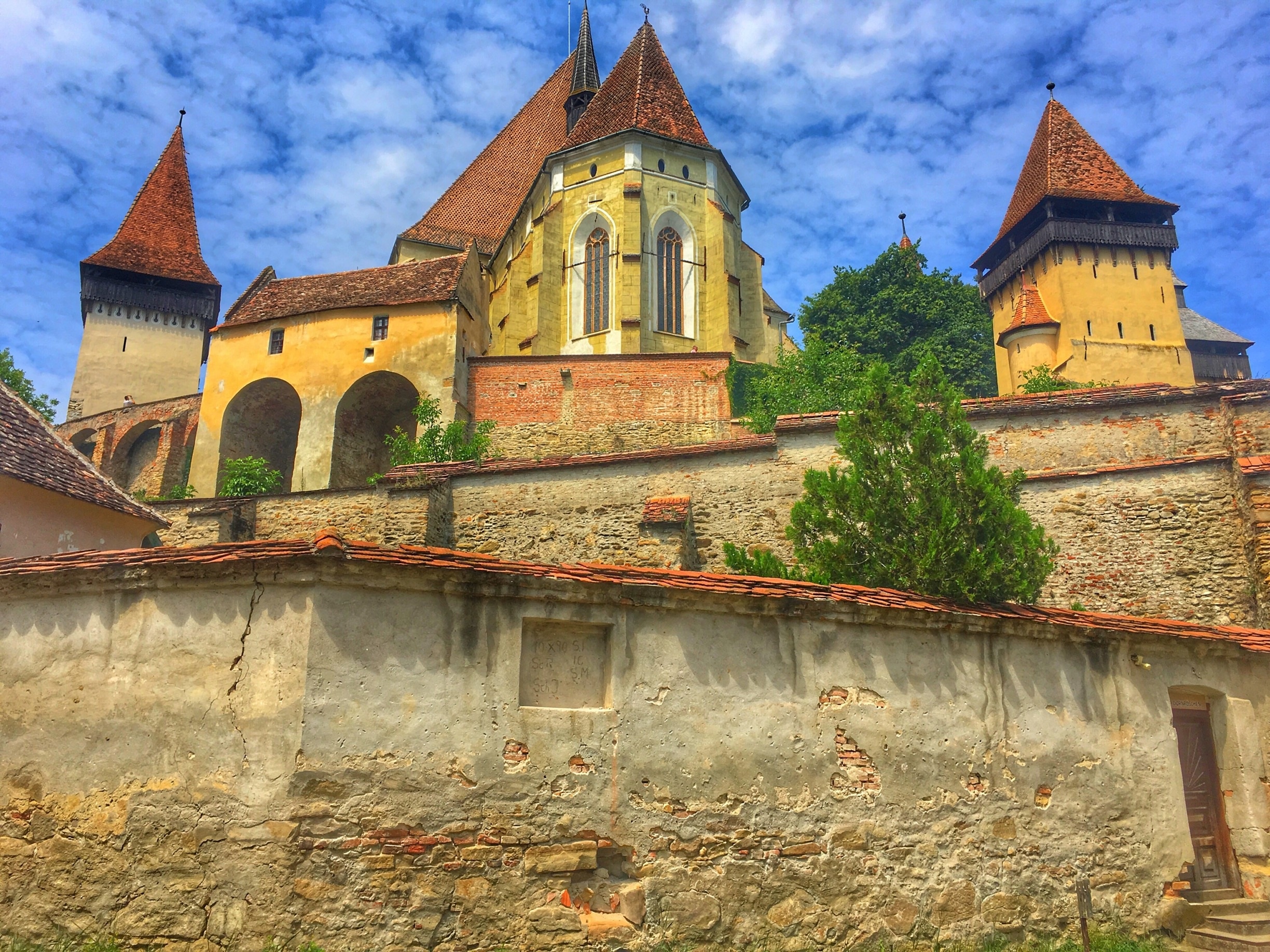
(Source: Expedia )
The village itself retains an authentic charm. The Saxon houses, with their pastel-colored facades, massive wooden gates, and spacious inner courtyards, reflect the lifestyle of the community that thrived here for centuries. Quiet streets, the slow pace of daily life, and the picturesque surrounding landscape make Biertan a destination where tradition blends harmoniously with nature.
A curiosity that draws visitors’ attention is the so-called “marriage prison,” a special room where couples on the verge of divorce were confined together for two weeks, forced to share everything—from bed and table to utensils. It is said that over hundreds of years of this practice, only a few couples actually divorced, making this tradition a symbol of the communal spirit and Saxon values.
Today, Biertan is not just an open-air museum but a living village where festivals, traditions, and local customs continue to be celebrated. Visiting in autumn adds an extra layer of beauty, as the warm colors of nature perfectly complement the medieval atmosphere of the place.
Biertan remains an essential destination for anyone wishing to discover the true essence of Saxon heritage and to be enchanted by the authentic charm of Transylvania.
Viscri – the village that captivated the world with its simplicity
On the edge of Brașov County, in an idyllic rural landscape, lies the village of Viscri, one of the most famous and visited Saxon villages in Transylvania. Founded in the 12th century by Saxon colonists, Viscri still preserves a rare authenticity today. It is included on the UNESCO World Heritage list due to its fortified church and well-preserved traditional architecture.

(Source: Top Tours Romania )
The heart of the village is Viscri’s fortified church, built in the 13th century on the foundations of an earlier Romanesque basilica. Surrounded by strong walls and defensive towers, the church impresses with its simplicity and solidity, reflecting both its spiritual and defensive roles throughout history. Its austere yet charming interior bears witness to a measured way of life, where faith and community went hand in hand.
The village itself is a living museum of Saxon architecture. The houses lining the main street, painted in pastel colors, with massive wooden gates and spacious courtyards, reflect how the Saxon community lived and prospered for centuries. A stroll through Viscri is like stepping back in time, into a world where the rhythm of life is guided by nature and tradition.
A unique aspect of Viscri is its connection to King Charles III of the United Kingdom, who fell in love with the village and purchased a traditional house, carefully restored. His involvement brought international visibility, turning the village into a symbol of rural tourism and cultural heritage preservation. Thanks to this royal connection, Viscri has become a world-famous destination, attracting visitors from all over the globe.
Beyond the fortified church and traditional houses, visitors can discover the authentic lifestyle of the community: local crafts, traditional products, and sustainable initiatives that help preserve the village’s identity. It is a place where simplicity becomes luxury, and tranquility and authenticity offer a truly memorable experience.

(Source: Drumuri prin memorie )
In autumn, Viscri takes on a special beauty – the reddish leaves, the village’s tranquility, and the soft seasonal light create a fairytale-like scene that perfectly complements the medieval atmosphere and authenticity of the place.
Viscri is not just a village to visit; it is a lesson in how the past and present can coexist in harmony, keeping cultural heritage alive for future generations.
Prejmer – the strongest Saxon fortress
Just a few kilometers from Brașov, in Țara Bârsei, lies the village of Prejmer, renowned worldwide for its impressive fortified church. Founded by the Teutonic Knights in the 13th century and later developed by Saxon settlers, the village was for centuries a strategic point of defense against invasions, thanks to its location along the path of eastern incursions.
The main attraction is the fortified church of Prejmer, the largest and arguably best-preserved construction of its kind in Eastern Europe. Built in early Gothic style, the church was gradually surrounded by massive walls up to 4 meters thick and 12 meters high, equipped with bastions and loopholes. Inside the fortress, over 270 refuge rooms are arranged across multiple levels, where villagers could retreat in times of danger. Practically, the entire community could shelter here with provisions and livestock, transforming the church into an almost invincible fortress.

(Source: Romania Tourism )
A distinctive feature of the fortress is the “organ of death,” an ingenious defensive weapon composed of multiple barrels that, when fired simultaneously, would spread panic among attackers. This detail makes Prejmer not only a place of prayer and serenity but also a symbol of Saxon resilience and ingenuity.
The village of Prejmer, surrounded by fertile fields and gentle hills, completes the experience with its rural beauty and the authenticity of traditional Saxon houses. Its quiet streets and the slow pace of life offer visitors a unique atmosphere where both the power of history and the calm of the present are palpable.
The inclusion of Prejmer’s fortified church on the UNESCO World Heritage list is no coincidence: the construction exemplifies, at the highest level, a community’s adaptation to turbulent times, transforming a place of worship into a bastion of survival.
In autumn, a visit to Prejmer becomes even more special: the reddish leaves contrast beautifully with the white massive walls, and the soft seasonal light highlights the architectural details of the fortress. It is a place where history intertwines with nature, offering a truly memorable and unique experience.
Saschiz – The Fortified Church and Medieval Castle Ruins
Just a few kilometers from Sighișoara, in Mureș County, lies the village of Saschiz, a gem of Saxon heritage. Less known than other destinations, it is equally spectacular. Founded in the 13th century by Saxon colonists, the village was for a long time an important economic and craft center in the region.
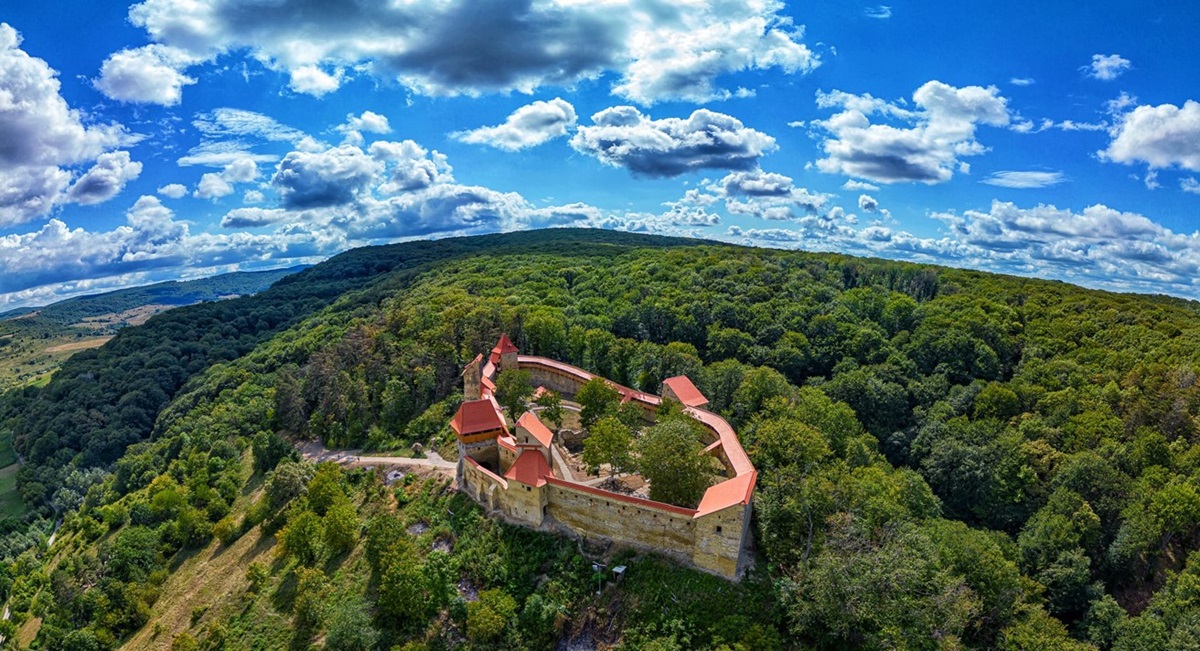
The centerpiece of the village is the fortified church of Saschiz, built at the end of the 15th century in late Gothic style. Impressive in size and architecture, the church is dedicated to Saint Stephen and was constructed as a safer alternative to the medieval castle located on the nearby hill. Its fortifications, massive walls, and the 65-meter-tall tower—reminiscent of the Clock Tower in Sighișoara—give the building a commanding presence, making it a symbol of the local community.
(Source: Romania Tourism )
Besides the church, Saschiz also preserves the ruins of a peasant fortress, built in the 14th century as a refuge during times of danger. Although the walls are largely in ruins today, the fortress still dominates the landscape, offering spectacular views of the village and surrounding area. It is a place steeped in history and mystery, perfectly complementing the medieval atmosphere of the location.
The village itself is an authentic example of Saxon architecture. Traditional houses, aligned along the main street with pastel facades and massive wooden gates, reflect the life of the community from centuries past. Saschiz is also renowned for its traditional crafts, particularly ceramics, an art passed down through generations and still an important part of local identity.
Today, Saschiz is listed as a UNESCO World Heritage Site and attracts visitors with its tranquility, authentic atmosphere, and rich cultural heritage. In autumn, the village transforms into a picturesque tableau, when golden hills and soft light highlight the beauty of every corner.
Saschiz is not just a village to visit, but a place where history, nature, and traditions converge, offering an authentic experience that perfectly completes the Saxon village circuit in Transylvania.
Conclusion
Biertan, Viscri, Prejmer, and Saschiz are not just villages—they are true treasures of Transylvania, places where history comes alive and traditions continue to thrive. Each of them has its own story to tell, whether it’s about UNESCO-listed fortified churches, connections to important historical figures, or the authenticity of Saxon architecture preserved for centuries.
Autumn gives them a special charm: hills turn golden and red, the air becomes crisp, and the villages’ atmosphere gains a nostalgic, calming allure. Visiting these settlements is not just about sightseeing—it’s a journey into the heart of Transylvania, where time seems to flow differently.
If you want to feel the authenticity of these places, be inspired by the landscapes, and discover stories preserved through generations, these Saxon villages are the perfect choice for an autumn getaway.