Travel Ideas
4 UNESCO World Heritage Sites to Visit in Romania
Founded in 1972 with the adoption of the Convention for the Protection of the World’s Cultural and Natural Heritage, the UNESCO World Heritage List today includes over 1,100 sites worldwide, each chosen for its outstanding universal value. The list features cultural sites, such as great Gothic cathedrals or medieval towns, as well as natural wonders—national parks, unique ecosystems, and landscapes that reflect the fragile and irreplaceable beauty of our planet.
Romania has the honor of being represented on this list with several sites, each reflecting the country’s cultural and natural diversity. From the unparalleled natural riches of the Danube Delta, home to more than 300 bird species and vast waterways forming a true biodiversity paradise, to the refined simplicity of the wooden churches of Maramureș, built by local communities with craftsmanship passed down through generations, Romanian heritage is a true treasure. Added to these are the ancient remains of Sarmizegetusa Regia, the sacred and political center of the Dacians and a symbol of their resilience and organization, as well as Sighișoara, the living medieval citadel where history still pulses through its narrow cobbled streets.
What makes these places truly special is not only their architectural or natural beauty, but also the stories they tell. The Danube Delta shows us the creative force of nature and our responsibility to protect it. The wooden churches of Maramureș reflect the faith, ingenuity, and unity of rural communities. Sarmizegetusa Regia reminds us of our Dacian roots and the sophistication of a forgotten civilization, while Sighișoara takes us back to a time of guilds and defense towers, unique in Europe.
Visiting these destinations is a true journey through time and space: from the wild waterways of the Delta to the peaceful villages of Maramureș, from ancient ruins covered in forests to medieval towers watching over Transylvanian towns. These are experiences that not only delight the eye but also enrich the soul, offering insight into how past and present harmoniously intertwine in Romania.
That is why exploring Romania’s UNESCO sites is not just a tourist option, but an essential experience for anyone wishing to better understand the beauty, history, and identity of this country.
1. The Danube Delta – Romania’s Biodiversity Paradise
Few places in the world can compare to the beauty and uniqueness of the Danube Delta, one of the largest and best-preserved natural ecosystems in Europe, listed as a UNESCO World Heritage Site since 1991. Here, after traveling more than 2,800 km through ten countries, the Danube River splits into three main branches—Chilia, Sulina, and Sfântu Gheorghe—before flowing into the Black Sea, creating a stunning labyrinth of channels, lakes, floating islands, and flooded forests.

The Delta covers an area of about 5,800 km², most of which lies within Romania. It is considered a true sanctuary of biodiversity: home to more than 5,000 plant and animal species, including over 300 species of birds—such as the great white pelican, the purple heron, and the pygmy cormorant—and more than 100 species of fish, such as catfish, pike, and sturgeon. This biological richness makes the Danube Delta not only a place to visit but also one to protect with care.
But the Delta is more than wild nature. It is also a land of culture and tradition, where local communities—Lipovans, Ukrainians, and Romanians—have lived in harmony with nature for centuries. Fishing villages such as Mila 23, Sfântu Gheorghe, or Crișan have preserved their authenticity, offering visitors unforgettable experiences: boat rides along quiet channels, tastings of traditional fish dishes, and stories about life in this unique corner of the world.
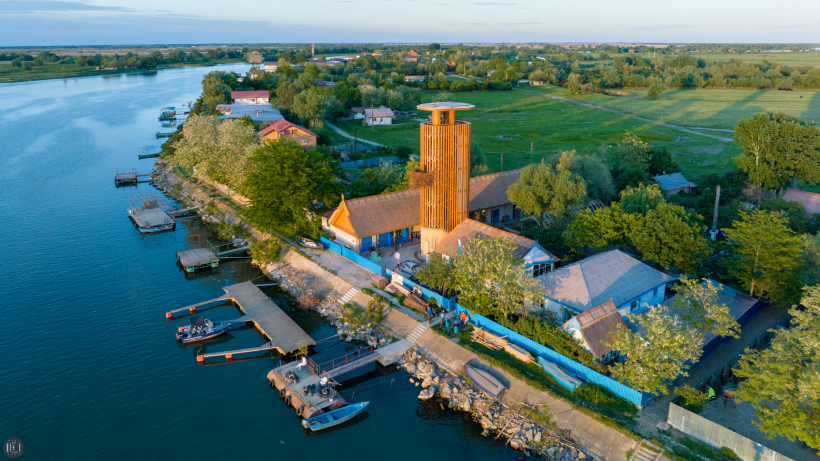
A fascinating aspect of the Delta is its constant transformation: each year, the river deposits millions of tons of silt, causing the territory of the Delta to expand. Visitors thus witness a natural phenomenon in progress—one of the few dynamic ecosystems on the planet still in continuous formation.
The Delta is also a haven of peace and wilderness, a perfect refuge for those seeking disconnection. Watching the sunrise over the channels, among white and yellow water lilies and the chorus of birds, is an experience that imprints itself on the soul.
This is why visiting the Danube Delta is more than just a trip—it is an initiation into a unique natural paradise, where landscape beauty, wildlife diversity, and local traditions blend in an unmatched way. It is a place worth discovering, not only for its breathtaking views but also for the lesson of balance and harmony it offers between people and nature.
2. The Wooden Churches of Maramureș – Living Testimonies of Faith and Tradition
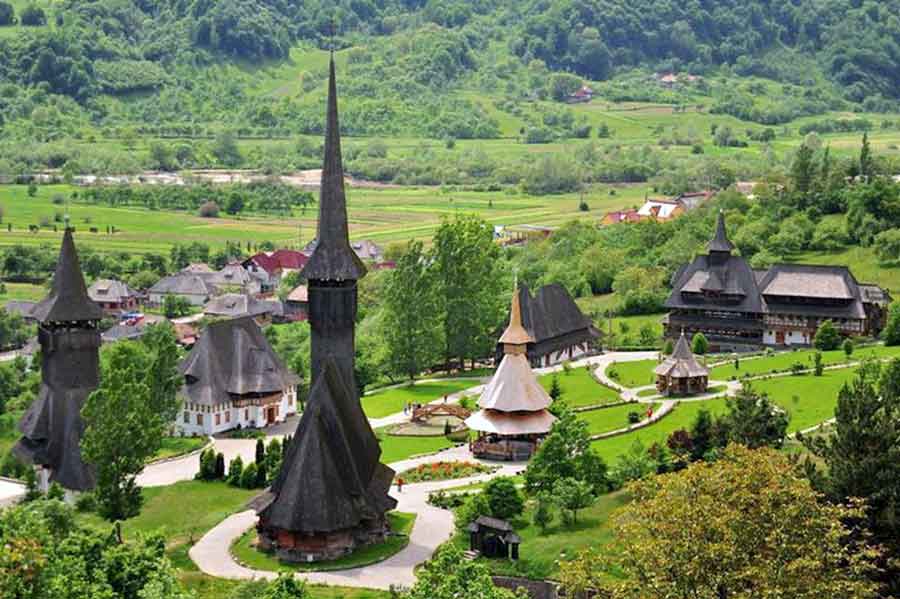
In the heart of Maramureș, one of Romania’s most picturesque regions, stand true architectural gems: the wooden churches, eight of which have been included on the UNESCO World Heritage List since 1999. These sanctuaries are not just religious monuments but also symbols of local identity, the ingenuity of folk craftsmen, and the steadfast faith of rural communities.
( Source: Ammaryllis Tour )
Built between the 17th and 19th centuries, the wooden churches of Maramureș impress with their slender, pointed towers rising like arrows toward the sky and their harmonious proportions. Their only construction material is oak or fir wood, masterfully crafted by anonymous artisans who passed down traditional techniques from generation to generation. Without using metal nails, these craftsmen managed to build durable structures capable of withstanding both time and weather.
The eight UNESCO-listed churches are located in the villages of Bârsana, Budești, Desești, Ieud, Plopiș, Poienile Izei, Rogoz, and Șurdești. Each has its own story, but all share the same simple yet refined aesthetic, with interiors decorated with naive frescoes depicting biblical scenes in an authentic style adapted to local sensibilities. The church in Șurdești, for example, has a tower nearly 54 meters high, making it one of the tallest wooden structures in Europe.
Beyond their architectural value, these churches have always been community spaces where people gathered for centuries to celebrate their faith, mark important holidays, or face difficult times together. They embody a deep connection between people, nature, and spirituality.
An interesting curiosity is that, although built during times of restrictions when Orthodox communities were forbidden from erecting stone churches or making them too visible, locals found a way to affirm their faith through these wooden structures—modest on the outside yet rich in symbolism and inner beauty.
Today, visiting the wooden churches of Maramureș is not just about admiring monuments, but about stepping into a universe where time seems to flow differently. Surrounded by green hills and authentic villages, these sanctuaries offer an experience of peace and reflection, as well as a direct encounter with the cultural and spiritual roots of Romania.
3. Sarmizegetusa Regia – The Heart of the Dacian Kingdom
Hidden in the Orăștie Mountains, in Hunedoara County, lies one of Romania’s most important and enigmatic archaeological sites: Sarmizegetusa Regia, the capital of the Dacian Kingdom and its political, military, and religious center. Since 1999, the complex has been part of the UNESCO World Heritage List, together with other Dacian fortresses in the area, serving as a fascinating testimony to the Dacian civilization, a people who left their mark on the history of ancient Europe.

( Source: Basilica )
Founded in the 1st century BC, Sarmizegetusa Regia was heavily fortified and developed under King Decebal, during the height of the Dacian state. Built on a plateau over 1,200 meters above sea level, the fortress was surrounded by massive stone walls, constructed using the specific technique known as murus Dacicus. This impressive fortification protected both the sacred area and the civilian and military spaces.
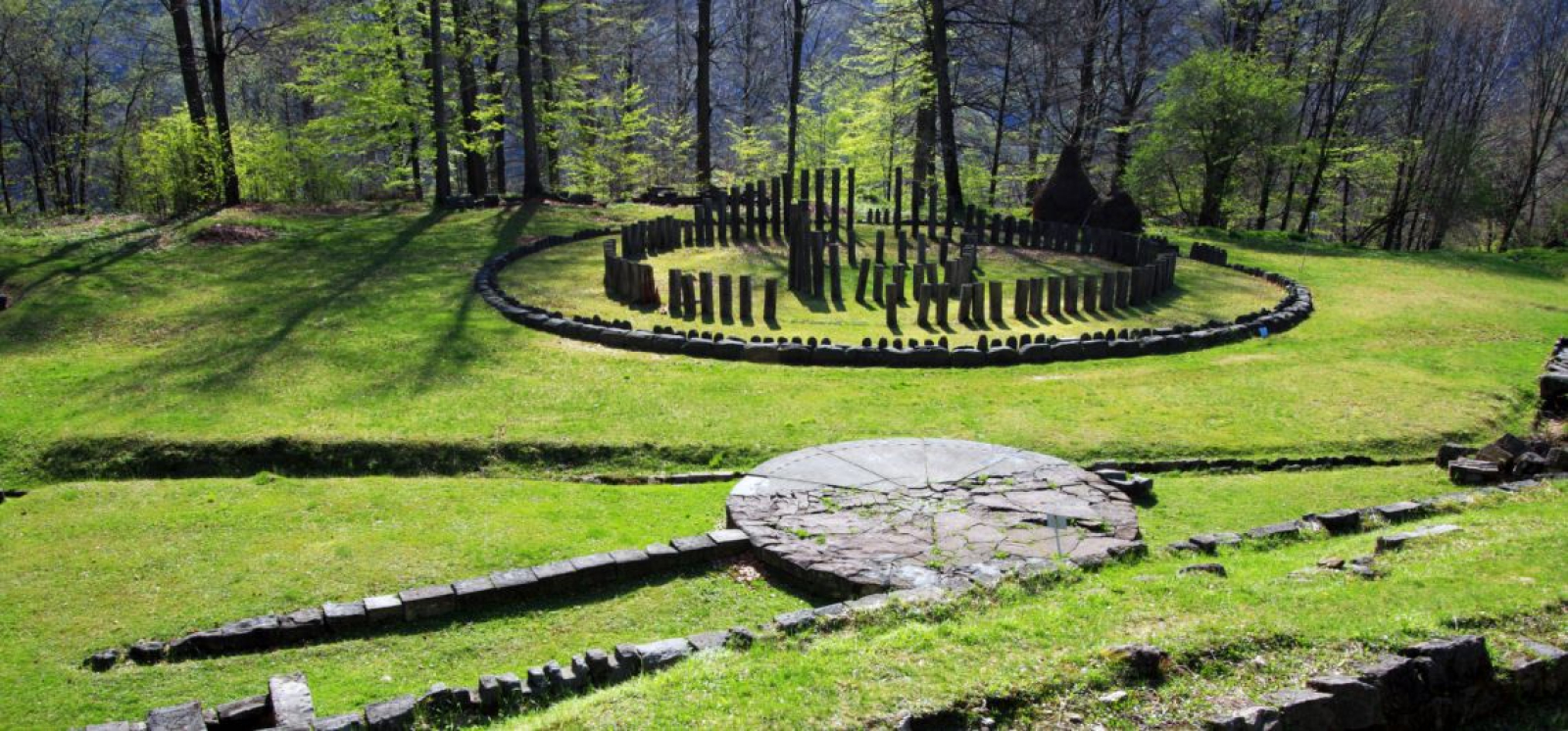
The most spectacular feature of the site is the sacred zone, where the Dacian sanctuaries—circular and rectangular stone structures—still stand. These are believed to have been used for religious and astronomical rituals. The great circular sanctuary, often compared to a “Romanian Stonehenge,” remains one of the most mysterious ancient monuments, fascinating historians and visitors alike. It is thought that the Dacians observed the movement of celestial bodies here and carried out spiritual ceremonies in deep connection with nature and the cosmos.
( Source: Radio România Actualități )
Beyond its sacred dimension, Sarmizegetusa was also a well-organized city: archaeological excavations have uncovered limestone-paved streets, drainage systems, and even ceramic water pipes, evidence of the high level of civilization achieved by the Dacians. The fortress housed military leaders, priests, and elite craftsmen, while other strongholds in the Orăștie Mountains formed a strategic defense network against invaders.
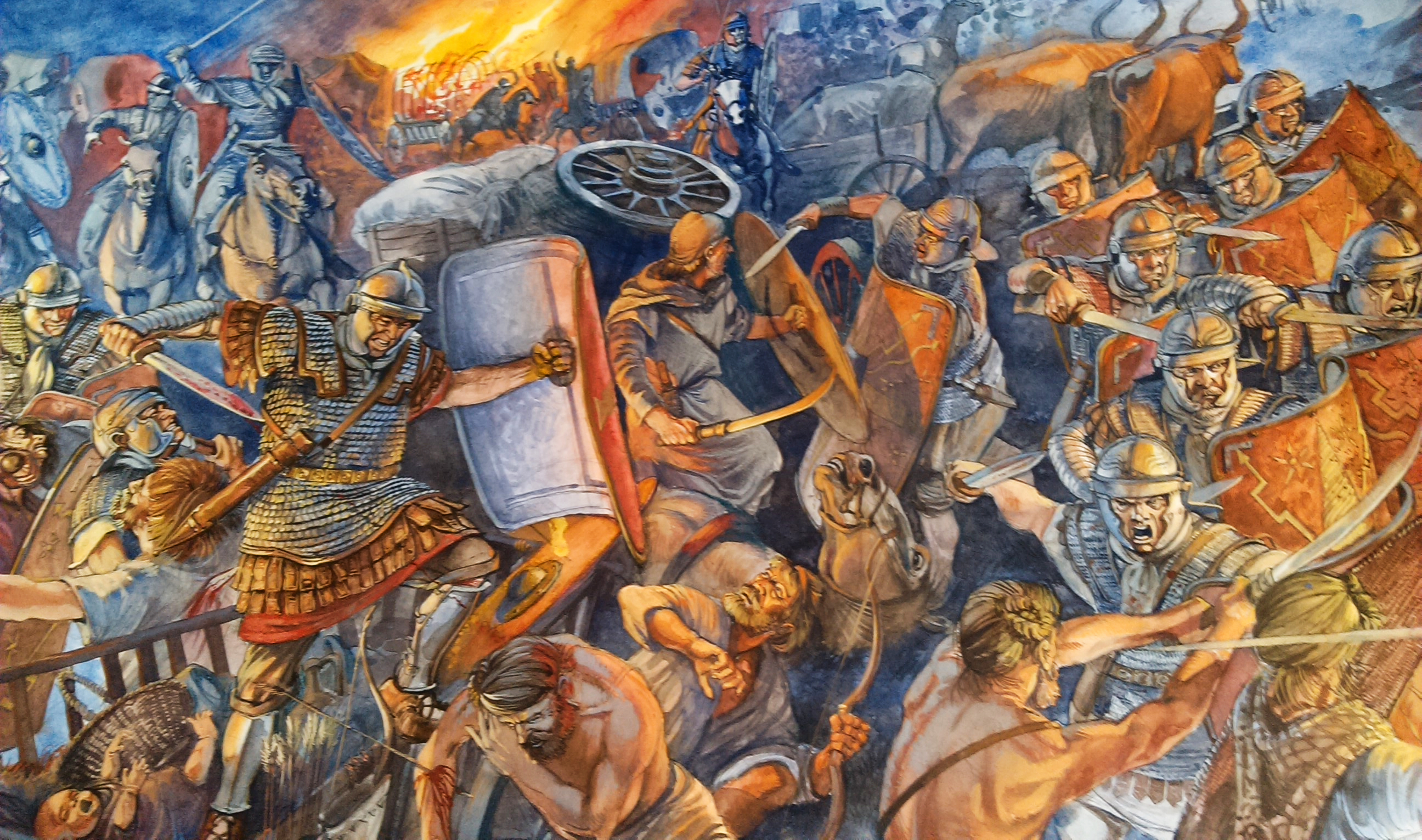
The fate of the city was sealed during the Dacian-Roman wars of 101–102 and 105–106 AD, when Emperor Trajan’s armies conquered and systematically destroyed it. The fall of Sarmizegetusa marked the end of the Dacian Kingdom and the beginning of the Roman province of Dacia, a pivotal moment in Romania’s history.
Today, visiting the site offers a unique experience: among the stone ruins, in a breathtaking natural setting, travelers can still feel the energy of a place that was once the spiritual heart of an entire people. Sarmizegetusa Regia is not just an archaeological site, but also a symbol of Romania’s roots, resilience, and national identity.
For those passionate about history, mythology, or nature, Sarmizegetusa is a destination that offers not only knowledge but also emotion, transforming the visit into a journey back in time to the dawn of Romanian civilization.
4. Sighișoara – The Living Medieval Citadel of Transylvania
In the heart of Transylvania, on the banks of the Târnava Mare River, lies Sighișoara, one of the most beautiful and best-preserved inhabited medieval citadels in Europe. Founded in the 12th century by Saxon settlers who had established themselves in the region, Sighișoara quickly became an important commercial and crafts center. Since 1999, the citadel has been included on the UNESCO World Heritage List, recognized for its exceptional historical and architectural value.
What makes Sighișoara truly unique is the fact that the citadel is still inhabited. Its cobblestone streets, colorful houses with Gothic, Renaissance, and Baroque façades, and fortified towers dominating the skyline create a landscape that feels straight out of a storybook. The medieval atmosphere is enhanced by the daily lives of the residents who continue to live within the walls, giving the place an authentic and distinctive charm.

( Source: Faraway Worlds )
The centerpiece of the citadel is the Clock Tower, built in the 14th century, the symbol of the city and now home to the History Museum. Its mechanical clock, adorned with moving figurines, has delighted visitors for centuries, while the balcony offers sweeping views of the entire city and its surroundings. Other impressive towers can also be found here, each named after the guild that maintained it: the Blacksmiths’ Tower, the Tinsmiths’ Tower, and the Tanners’ Tower.
Today, Sighișoara remains a living testimony to Transylvania’s medieval past, but also a vibrant place, full of color and life. Visiting the citadel is not only a journey into history but also an authentic cultural experience, where traditions, architecture, and atmosphere blend in an unparalleled way.
Sighișoara is, without doubt, a place worth exploring step by step, as every corner tells its own story. Another element that makes the town famous is the belief that Vlad Țepeș, the voivode of Wallachia and a historical figure who inspired the Dracula legend, was born here. His birthplace, located in the very center of the citadel, is today a tourist attraction visited by thousands each year.
(Source: Visit Mures )
Beyond its monuments, Sighișoara also hosts the Medieval Festival every summer, when the citadel comes alive with knights, ladies, craftsmen, and artists, recreating the atmosphere of the Middle Ages. It is a unique event in Romania, drawing visitors from all over the world.
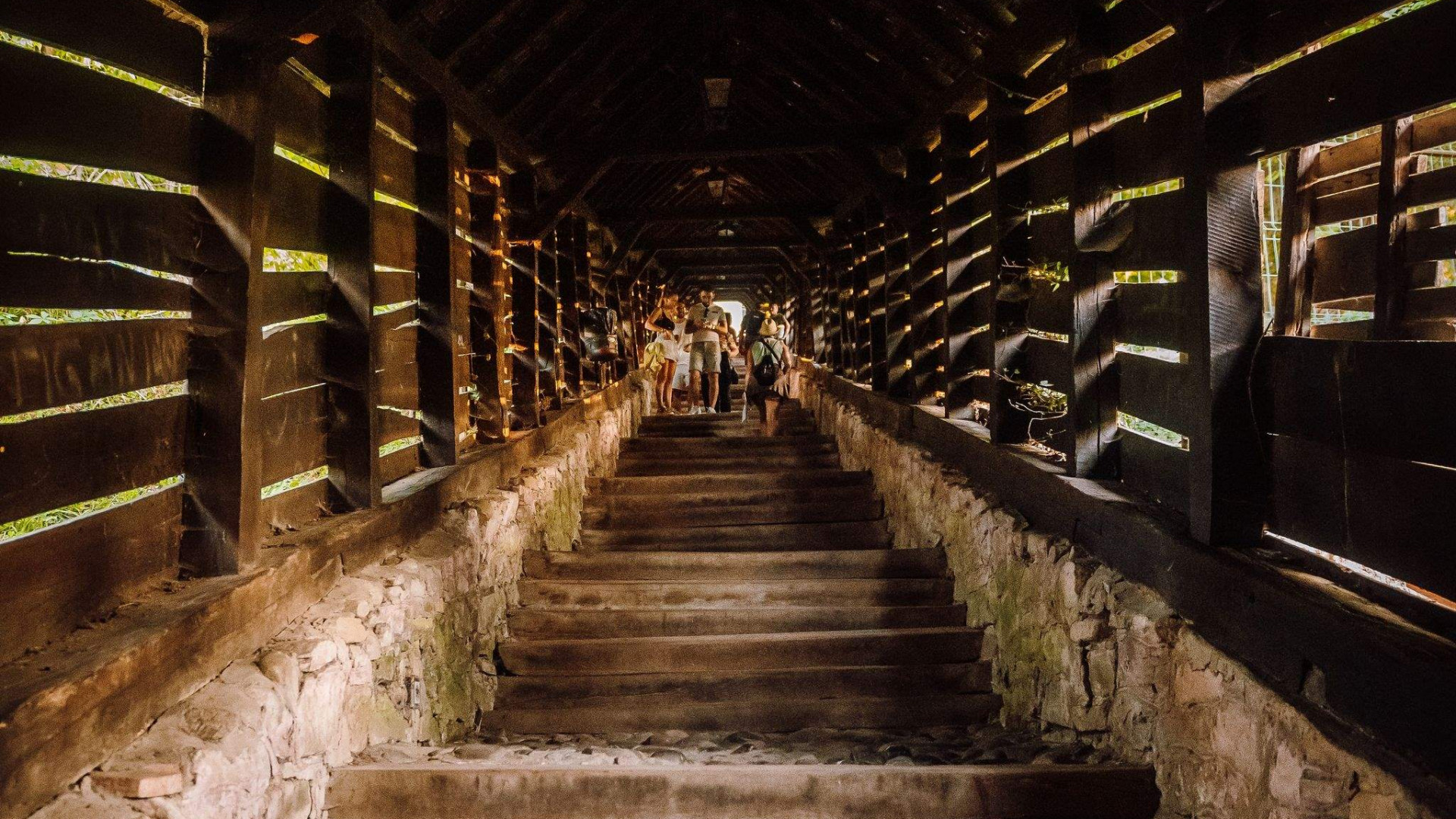
Visitors can also discover the Covered Schoolboys’ Staircase, built in the 17th century to protect students from bad weather on their way to school and church. This wooden construction, still preserved today, is one of the local curiosities that continues to fascinate with its ingenuity.
Today, Sighișoara remains a living testament to Transylvania’s medieval past, but also a vibrant place, full of color and life. Visiting the citadel is not only a journey into history but also an authentic cultural experience, where traditions, architecture, and atmosphere intertwine uniquely.
Sighișoara is, without a doubt, a place worth exploring step by step, as every corner tells a story.
Conclusion
Romania is a land of contrasts and hidden treasures, and its four UNESCO World Heritage Sites—the Danube Delta, the Wooden Churches of Maramureș, Sarmizegetusa Regia, and the Sighișoara Citadel—capture the very essence of this diversity. From the unique natural wealth of the Delta to the refined craftsmanship of Maramureș’s wooden sanctuaries, from the grandeur of Dacian ruins to the authentic medieval atmosphere of Sighișoara, each destination transports us to a different world, yet all share the same purpose: to keep the memory of the past alive and remind us of who we are.
Visiting them is not only a tourist experience but also a lesson in history, culture, and respect for universal heritage. They show that Romania is home to truly unique places, comparable to the world’s greatest attractions, and well worth discovering for anyone wishing to understand the soul of this country more deeply.
So, whether you choose to be carried away by the still waters of the Delta, the wooden artistry of Maramureș churches, the Dacian mysteries of the Orăștie Mountains, or the medieval magic of Sighișoara, every step taken here will bring you closer to an authentic and fascinating Romania.