Travel Ideas
5 Easter destinations where tradition meets the beauty of nature
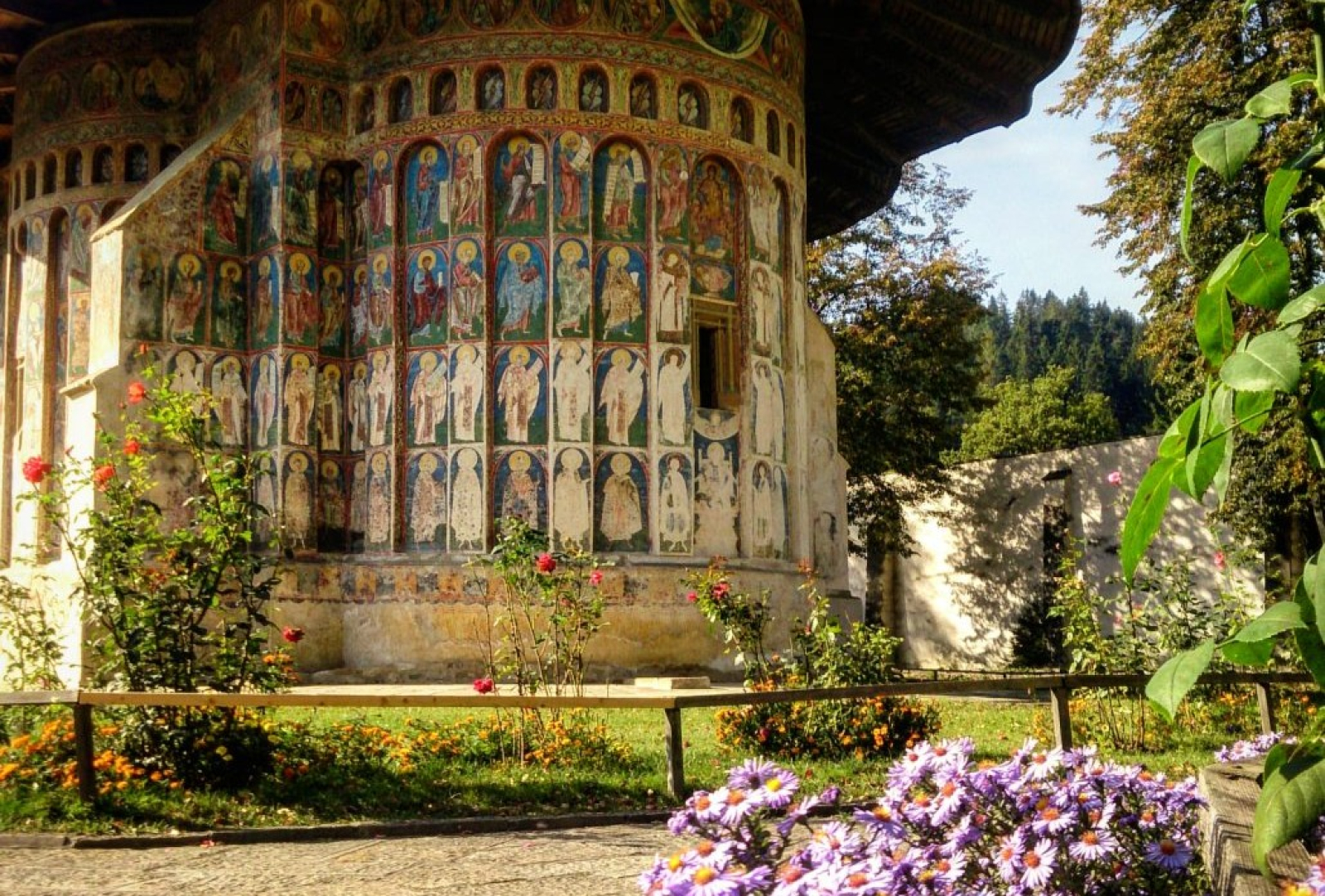
The monasteries in Romania, especially those in northern Moldavia, represent more than just old buildings or places of worship; they are time capsules that have kept the story, faith, and traditions of these lands alive for centuries. Their unmatched charm comes from a unique artistic blend: the rigor and dogmatism of Byzantine art, the elegance of Gothic lines, and above all, the Romanian "soul" translated into architectural and chromatic details that can be found nowhere else in the world. While their exterior frescoes are already world-famous, being included in the UNESCO heritage, spring brings an additional, almost magical reason to cross their threshold: their spectacular gardens. With nature's awakening to life, these places of worship emerge from the winter numbness and dress in a new, vibrant coat. The silence that settles over the valleys of Bucovina in April is almost palpable, interrupted only by the sound of the toacă or the murmur of mountain springs descending from the ridges.
With the approach of the great feast of Easter, the Bucovina monasteries transform radically. It is no longer just about studying the frescoes on the walls, but about a complete spectacle of the senses. The monastery gardens, tended with an almost mystical passion by monks and nuns, become true explosions of color. The fruit trees freshly whitened by blooms look like earthly clouds floating over the stone-paved courtyards, and the surrounding hills, of an almost unreal vivid green, make the whole landscape resemble an illustration from a fairy-tale world. For the modern traveler, this is the ideal time to "recharge their batteries". Far from the deafening noise of big cities and everyday stress, Bukovina offers an escape into a slower time, where the rhythm of life is dictated by the sunrise and the sound of bells. In April, the mountain air is still fresh, but the sun becomes generous enough to make walks on the paths between the monasteries a real pleasure.
Here are 5 must-visit destinations for your list this spring:
1. Voroneț Monastery
Dubbed the "Sistine Chapel of the East", Voroneț Monastery is perhaps the most famous symbol of Romanian religious architecture. Built by Ștefan cel Mare in 1488, the UNESCO heritage monastery impresses with the monumental fresco of the "Last Judgment", which occupies the entire western wall. If the interior overwhelms you with its solemnity, the exterior will conquer you with its freshness. The famous "Voroneț Blue" acquires a special brilliance under the mild April sun, being highlighted by the white explosion of the fruit trees blooming in the courtyard. It is the ideal place where you can feel the vibration of the Easter holidays in a vibrant natural setting. The contrast between the intense blue of the walls and the vivid green of the hill on which the monastery is situated is simply spectacular on the eve of the Resurrection.

(Source: Romanian Romance)
2. Sucevița Monastery
The last monastery to be painted on the exterior, Sucevița looks like a veritable medieval fortress, protected by thick walls and imposing defense towers. Included in the UNESCO world heritage and built by the Movilă family, it is famous for the "Ladder of Virtues" fresco, a rare and detailed composition that symbolically illustrates the struggle between good and evil. The dominant color here is emerald green, a shade that symbolizes life and the regeneration of the spirit, fitting perfectly with the spring scenery. Sucevița impresses with its massive walls, but the real magic happens inside them. The inner gardens are tended with a rare orderliness, where the vivid green of the fresh grass contrasts with the old stone. A walk along the alleys of the monastery, among the flowerbeds just awakened to life, offers you that inner peace that many of us seek around Easter. The entire complex is set in a deeply peaceful natural setting, where the mountain and spirituality merge harmoniously.

(Source: Viziteaza-Romania)
3. Moldovița Monastery
Built under the reign of Petru Rareș in 1532, this UNESCO heritage monastery impresses with its warm shades of golden yellow and the spectacular scene of the "Siege of Constantinople", a masterpiece of Moldavian exterior painting. Its elegant architecture, with open arcades and harmonious proportions, transforms the sanctuary into a monument that exudes a special peace. It is a mandatory stop for anyone who wants to discover the spiritual heart of Bucovina, offering a refuge of tranquility and recollection on the eve of the holiday, in the middle of a mountain landscape of rare beauty.

(Source: Alex Moise)
4. Putna Monastery
Known as the "Jerusalem of the Romanian nation", Putna is the resting place of Stephen the Great. The complex was built as a major cultural and spiritual center, housing a museum particularly rich in medieval manuscripts and embroideries. During the Easter period, Putna becomes the site of an impressive pilgrimage, where hundreds of people come to take the Holy Fire and listen to the service on the night of the Resurrection. The fresh mountain air and the feeling of purity offered by the white walls of the monastery make this place the perfect destination for reconnecting with one's roots. It is a space of hope, where tradition and respect for the past are felt at every step, in an atmosphere of absolute peace.

(Source: Basilica.ro)
5. Humor Monastery
Smaller and with a much more intimate atmosphere, Humor Monastery stands out through its warm brick-red shades and the absence of a bell tower directly above the church. Built in 1530, the monastery is famous for its narrative details, where biblical scenes are presented almost like in a medieval comic strip. The distinctive element of Humor is the wooden observation tower, located in the monastery courtyard, from where you can admire a superb panorama of the village and the surrounding hills. The fairy-tale atmosphere is completed by the apple and plum orchards that bloom generously in April, filling the air with a sweet scent. It is a location that invites meditation and long walks through the rural surroundings, where time seems to have stood still.

(Source: Brânduşa)
Cazări recomandate
Vezi tot
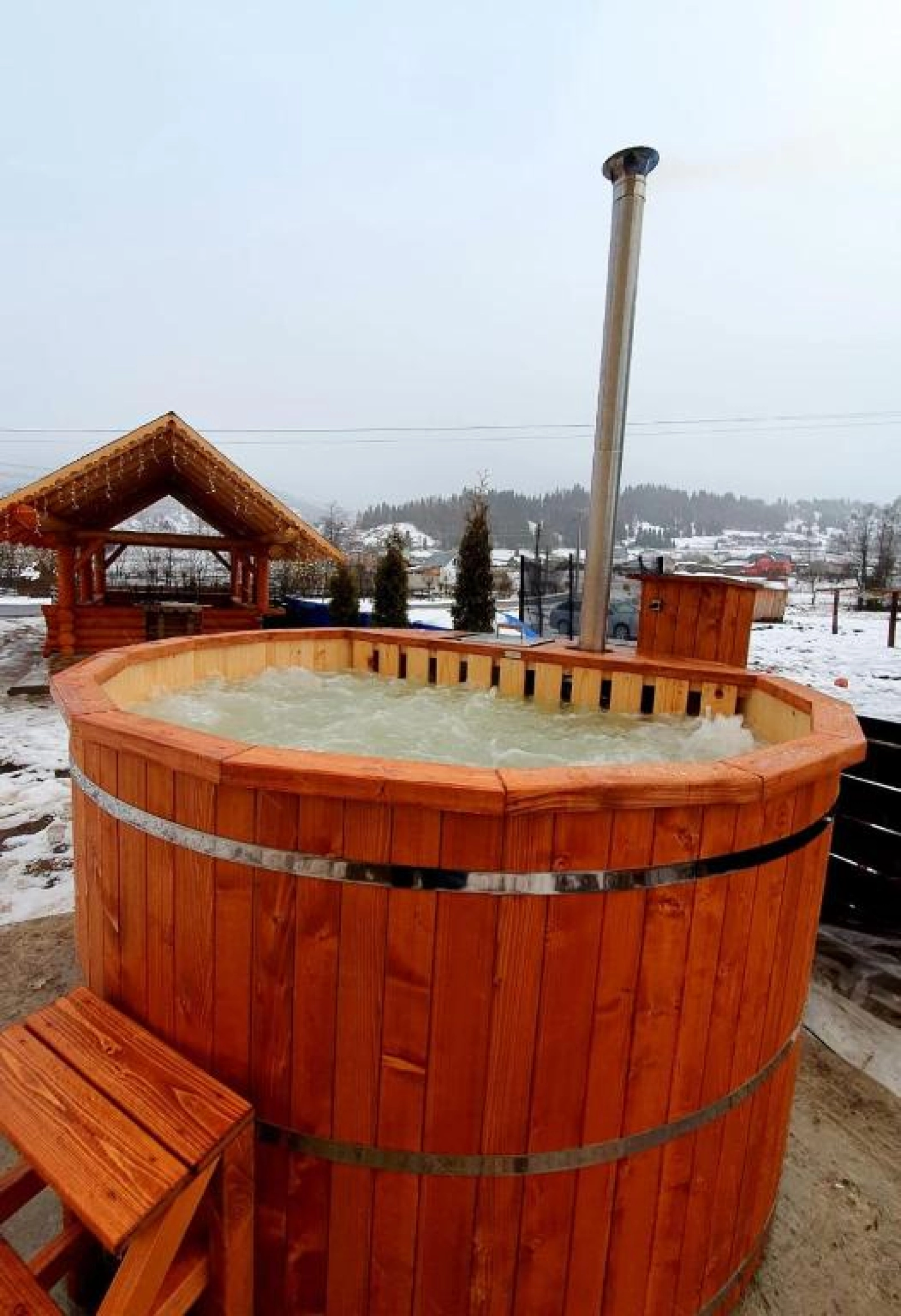
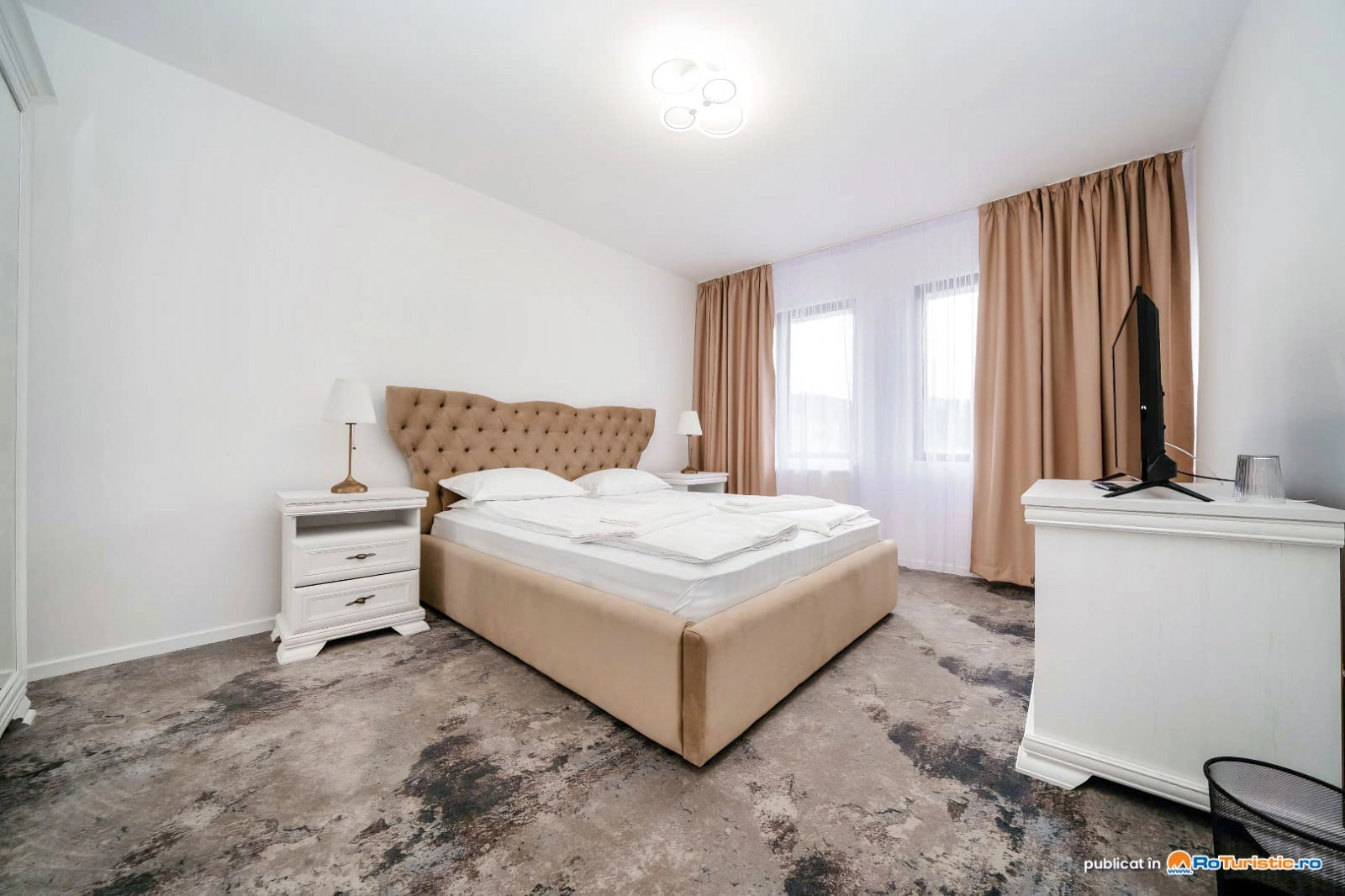
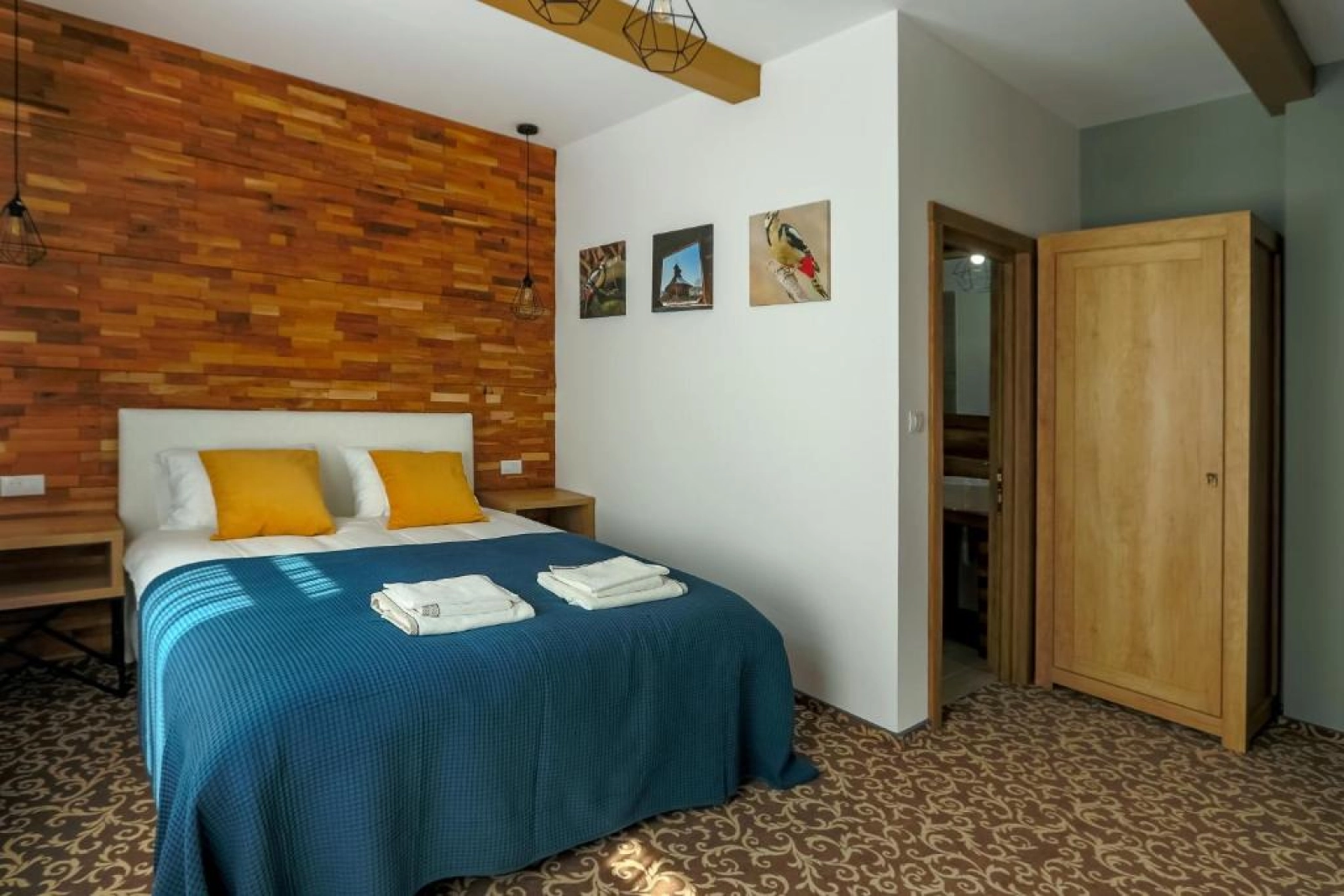
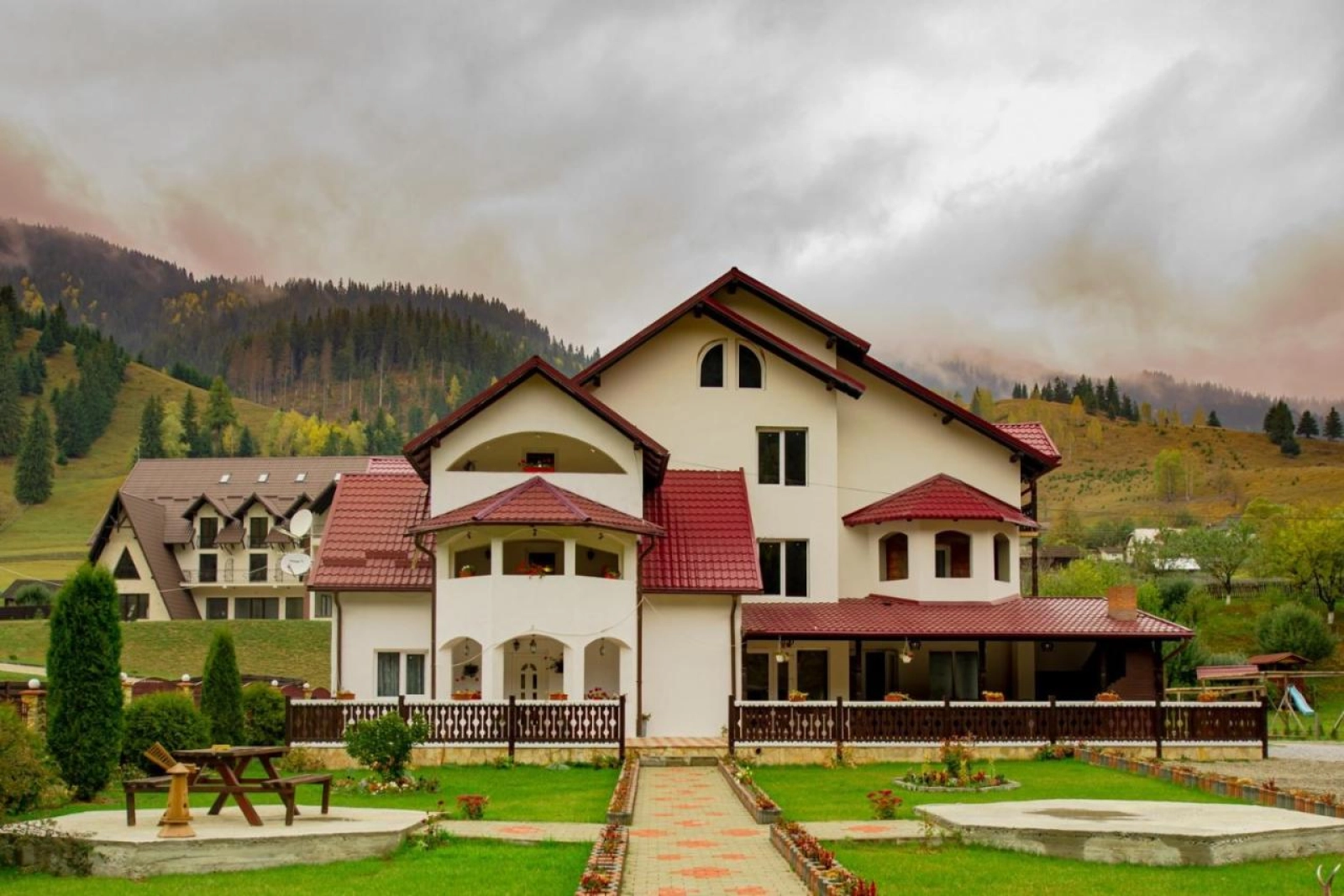
Easter in Bucovina is, therefore, an experience that must be lived at least once in a lifetime. It is the place where you can switch in just a few minutes from prayer to hiking, from medieval art to virgin mountain landscapes. Pack your bags, choose the winding roads of Suceava county, and let yourself be surprised by the silence and beauty of these unique places where spring brings history to life. Enjoy the perfect balance between relaxation and exploration and return home with your soul full of light.