Travel Ideas
Adventure in the Danube Delta
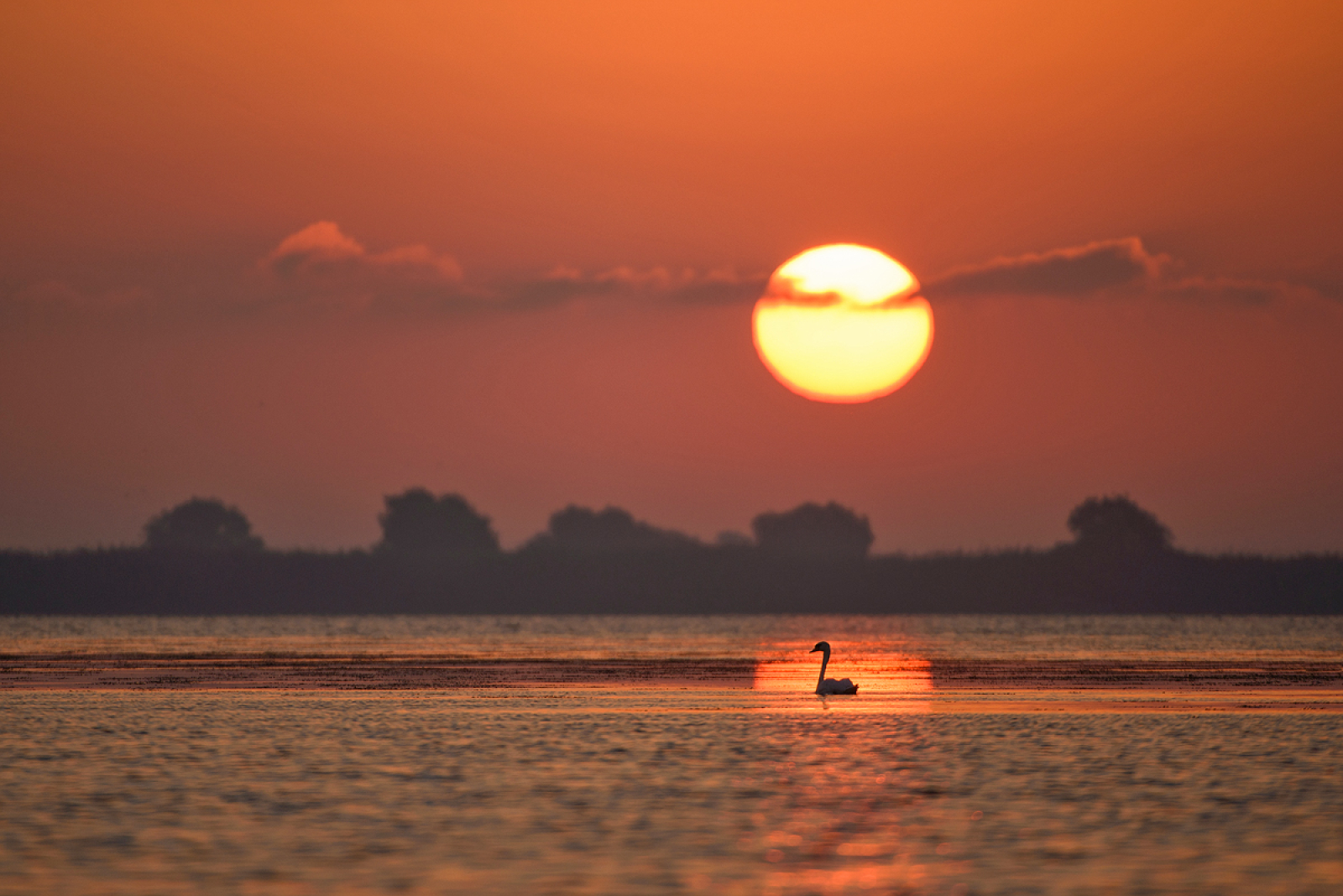
Romania shelters a true jewelry box of Europe, a fairytale place that represents a source of pride for the entire continent. This place is the Danube Delta (Delta Dunării), located in Tulcea County. Before emptying into the Black Sea, the river splits into three main branches: the northernmost and largest in water volume, the Chilia branch; the central, artificially straightened and navigable one, the Sulina branch; and the oldest and most winding, the Sfântu Gheorghe (Saint George) branch, which, at 112 kilometers long, is a tourist favorite. A point has been measured on the Chilia branch where the river's depth reaches 39 meters, representing an impressive volume of water.
The Danube Delta is not just a beautiful landscape, but a living, breathing, and constantly changing wonder. This vast biosphere reserve extends over more than 580,000 hectares and holds an outstanding international status. Its ecological importance is confirmed by its inclusion in the UNESCO World Heritage list since 1991. The area is also protected under the Ramsar Convention as a wetland of universal value and is an active part of the international "Man and the Biosphere" program.
Flora, Fauna, and Biodiversity
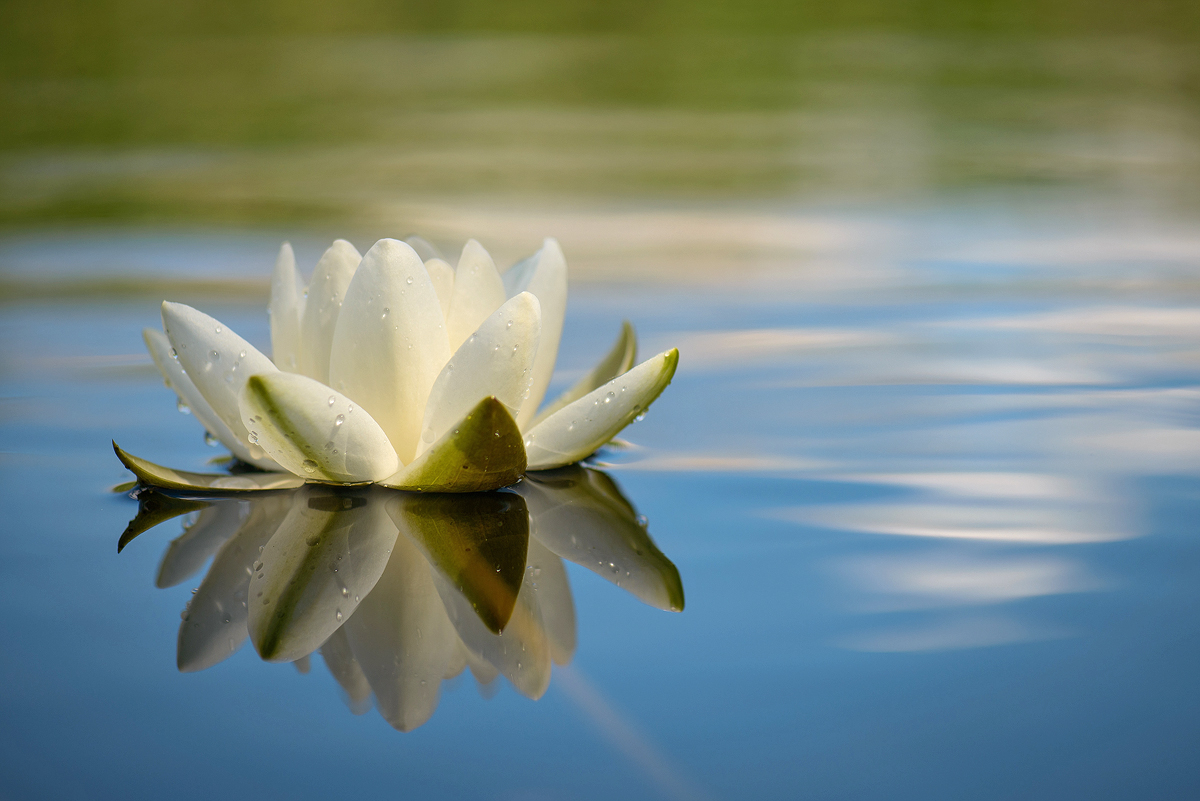
The reserve is home to an incredible array of wildlife, with researchers identifying over 5,500 species of plants and animals to date. The vegetation ranges from white and yellow water lilies covering the lakes' surfaces to floodplain forests dominated by willows and poplars.
(Source: România Sălbatică)
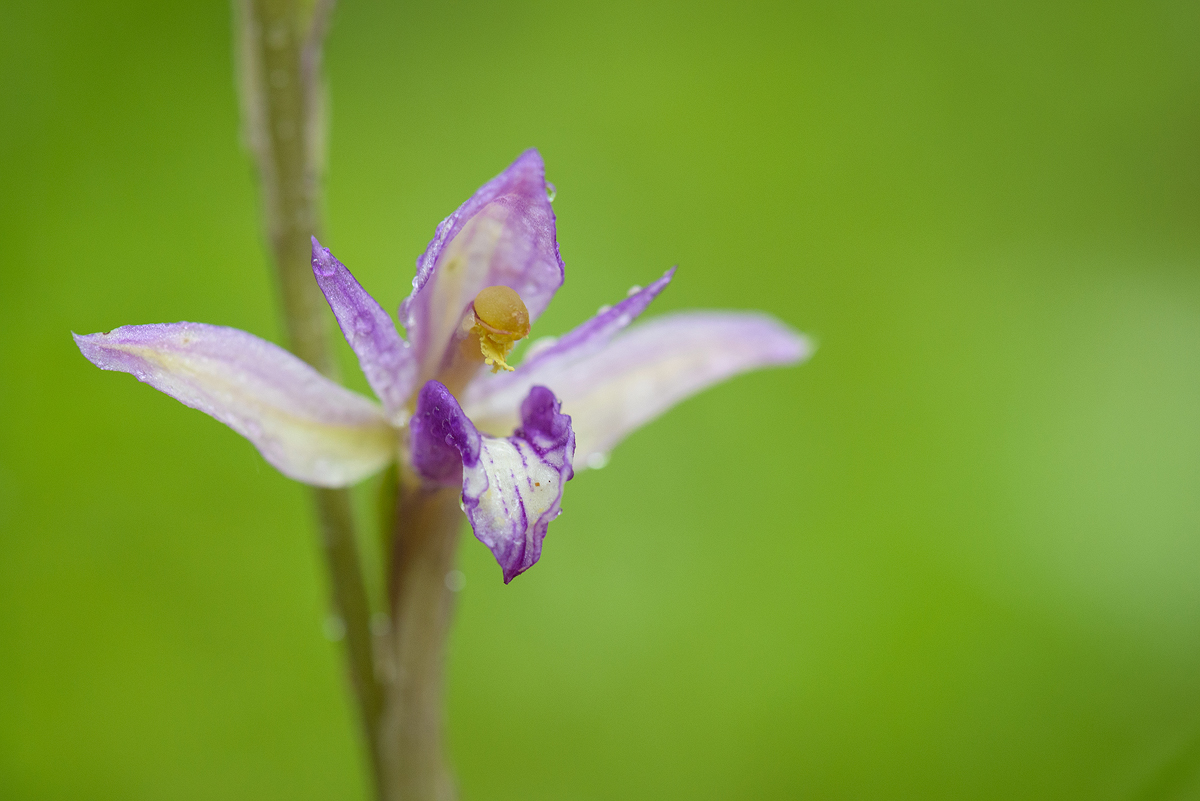
The most unique attraction is represented by the forests developed on sandy maritime sandbanks: the Letea Forest and the Caraorman Forest. The most iconic trees here are the oaks, some of which are over 300 years old. More than 10 species of orchids grow in the forest, along with a species of liana that can reach a height of up to 25 meters.
(Source: România Sălbatică)
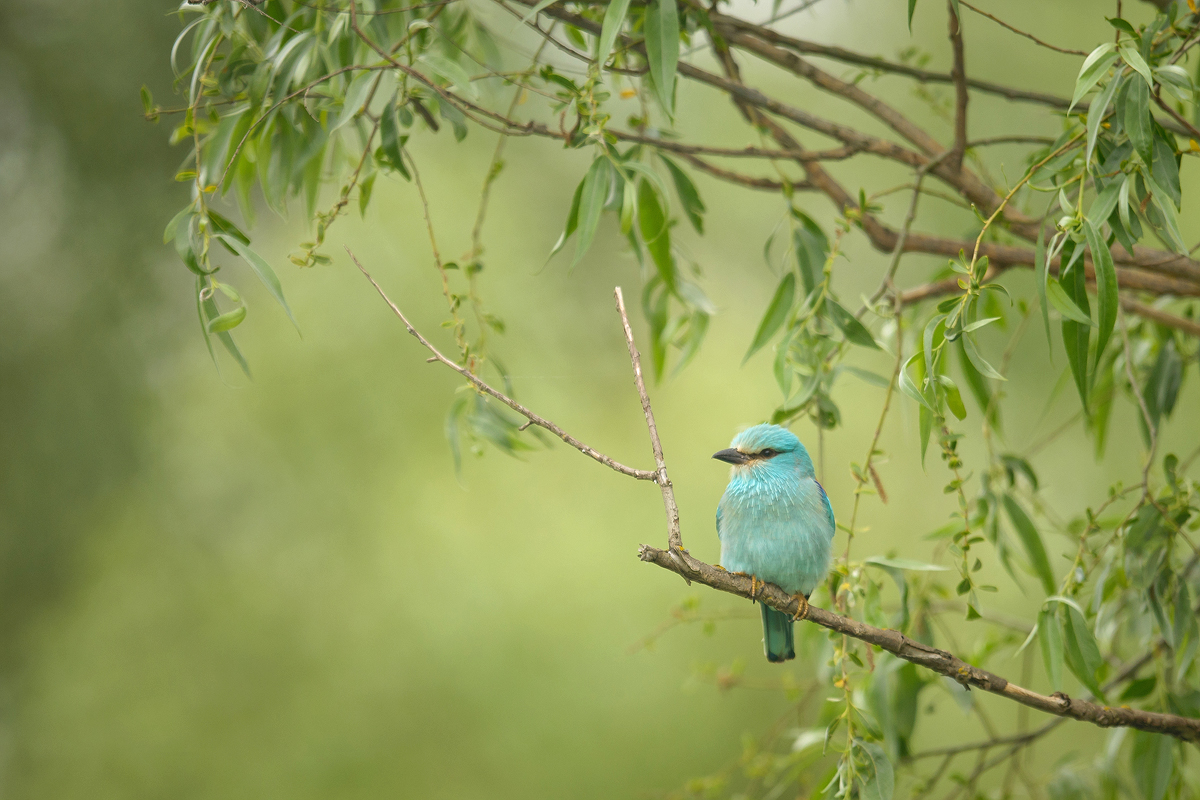
The Danube Delta owes its global fame to its exceptional birdlife. This region is a crucial stopover point for migratory birds, strategically located at the intersection of six major European migratory corridors. It boasts the largest colony of common pelicans in Europe, but the area also offers refuge to globally vulnerable species, such as the Dalmatian pelican or the pygmy cormorant.

(Source: Excursii Delta)
The area's terrestrial fauna includes remarkable examples such as otters, European minks, wild boars, jackals, and the wild horses living on the Letea sandbank. Equally, the aquatic ecosystem impresses with its diversity, being the habitat of over 130 species of fish; among these are impressively sized catfish and northern pike, as well as valuable sturgeons like the beluga, Russian sturgeon, starry sturgeon, and sterlet.
Secrets of the Danube Seen from the Water
A two-hour speedboat trip starting from Tulcea is the perfect choice for those who want a peaceful yet experience-filled adventure to enter the untouched world of the Danube Delta. For this, one of the best options is the Bon Voyage tourism company, specialized in boat trips and transfers, born from a deep passion for nature, tourism, and quality services. During the tour, guests travel aboard a comfortable, modern, and safe speedboat, which offers perfect visibility and maximum comfort.
Available every day from March to October, this pleasant ride for 12 people begins on the well-known Mila 36 fishing canal, a true paradise for photographers thanks to its stunning landscapes. From here, the route continues onto the Sireasa canal, lined with willows and poplars, where visitors cross a fairytale-like section of flooded forest. The highlight of the journey is the complex of lakes in the Cotețe area. In this corner of paradise with shallow waters, stretches of white and yellow water lilies shelter one of the most important and peaceful bird reserves in the entire Delta.
(Source: România Sălbatică)
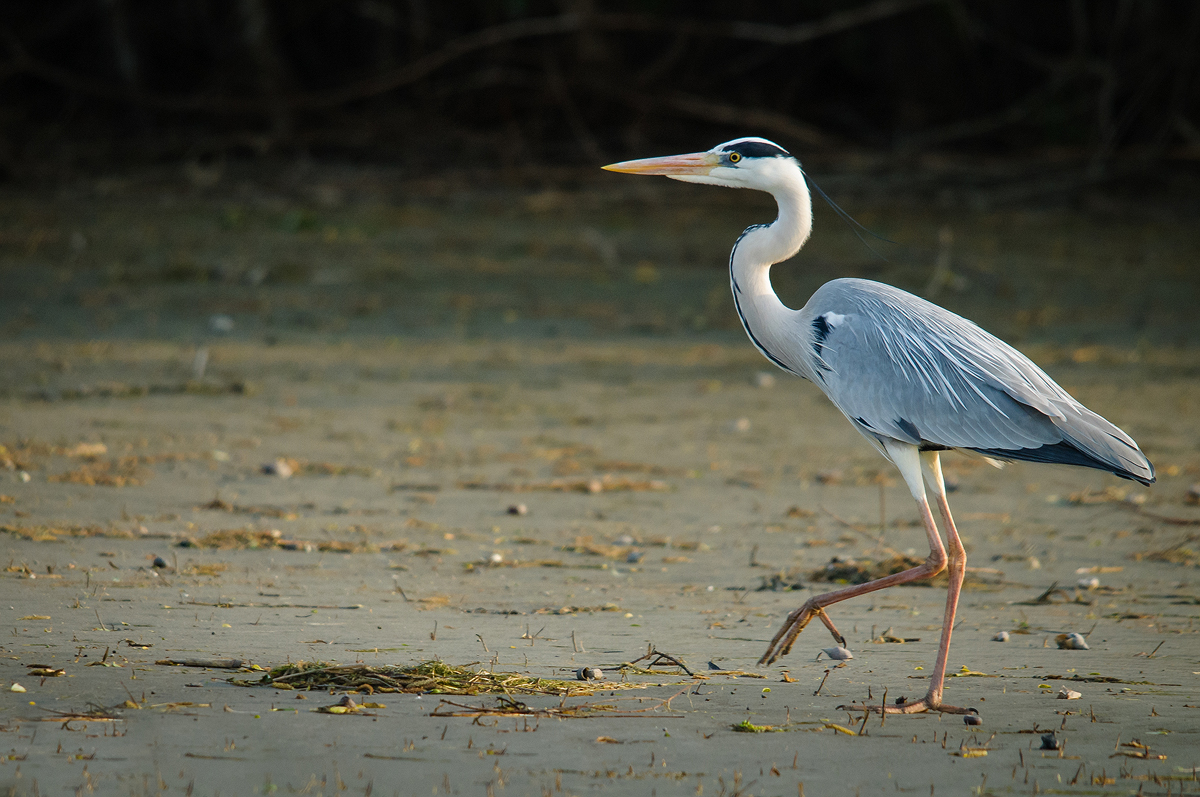
In this protected environment, surrounded by dense marshes, tourists can observe up close, in their natural habitat, the pelicans, egrets, herons, and cormorants nesting here.
(Source: România Sălbatică)
In addition to the rich birdlife, the luckiest visitors can spot discreet mammals on the shore, such as the otter or the European mink. During the excursion, the guide turns off the boat's engine on open water, allowing participants to fully immerse themselves in the deep peace of nature. This memorable aquatic adventure, beyond exploring wild landscapes, can only become truly complete alongside a local gastronomic experience.
Tastes of the Danube Delta
The authenticity of the Danube Delta cuisine lies in the simplicity of the dishes, the freshness of the fish, and the culinary heritage of the Lipovan communities, transmitted intact across generations. The absolute king of local cuisine is the traditional fish soup (borș de pește), prepared from several types of fresh fish and vegetables; according to the ritual, the fish meat is eaten separately on a plate with garlic sauce (mujdei), while the sour broth is then savored directly from the bowl.
The atmosphere of daily meals in the Delta comes to life through legendary dishes. The stars of the menu are the carp plachia, well-reduced on a bed of onions and tomatoes, the saramură grilled and enriched with an intense garlic sauce, and malasolca, a simple Lipovan recipe based on salted and boiled northern pike. Among the appetizers, fresh fish roe salad, crispy fish cakes, and fatty Danube herring grilled over embers during the spring season are mandatory menu items. These clean tastes, with a touch of smoke and garlic, enjoyed alongside hot polenta (mămăligă), perfectly complete any adventure.
Strictly Protected Zones
The 20 strictly protected zones in the Danube Delta, covering more than 50,000 hectares, represent approximately 9% of the reserve's total area and serve as a refuge for nature's most guarded treasures. Among these, the vast Sacalin - Zătoane region offers ideal conditions for the nesting of swans and various coastal birds, while the Roșca - Buhaiova complex of lakes and marshes hosts the largest colony of pelicans in Europe. An equally important role in bird protection is played by the Chituc sandbank, formed by a series of small lakes providing vital shelter during winter, and Ceaplace Island, one of the few locations in Romania where the Dalmatian pelican nests.
Nebunu Lake, filled with water lilies, offers safety and abundance of food for purple herons, glossy ibises, and cormorants. At the same time, the saltwater area of Sărături Murighiol is the preferred nesting place for black-winged stilts and pied avocets. Sandy sandbanks and large lakes form the Periteașca - Leahova area, an important stopover point for the red-breasted goose, while the Lupilor sandbank (Grindul Lupilor) holds invaluable value for the natural reproduction of fish.
Among the terrestrial ecosystems, the Letea Forest stands out, situated between sand dunes and recognized as the northernmost subtropical forest in Europe, with its rare orchids. Finally, Popina Island, located on Lake Razelm, represents a true curiosity: besides migratory birds, it is the only place in the country where rare species such as the black widow spider or the giant centipede can be found.
Plan the Perfect Vacation in the Danube Delta!
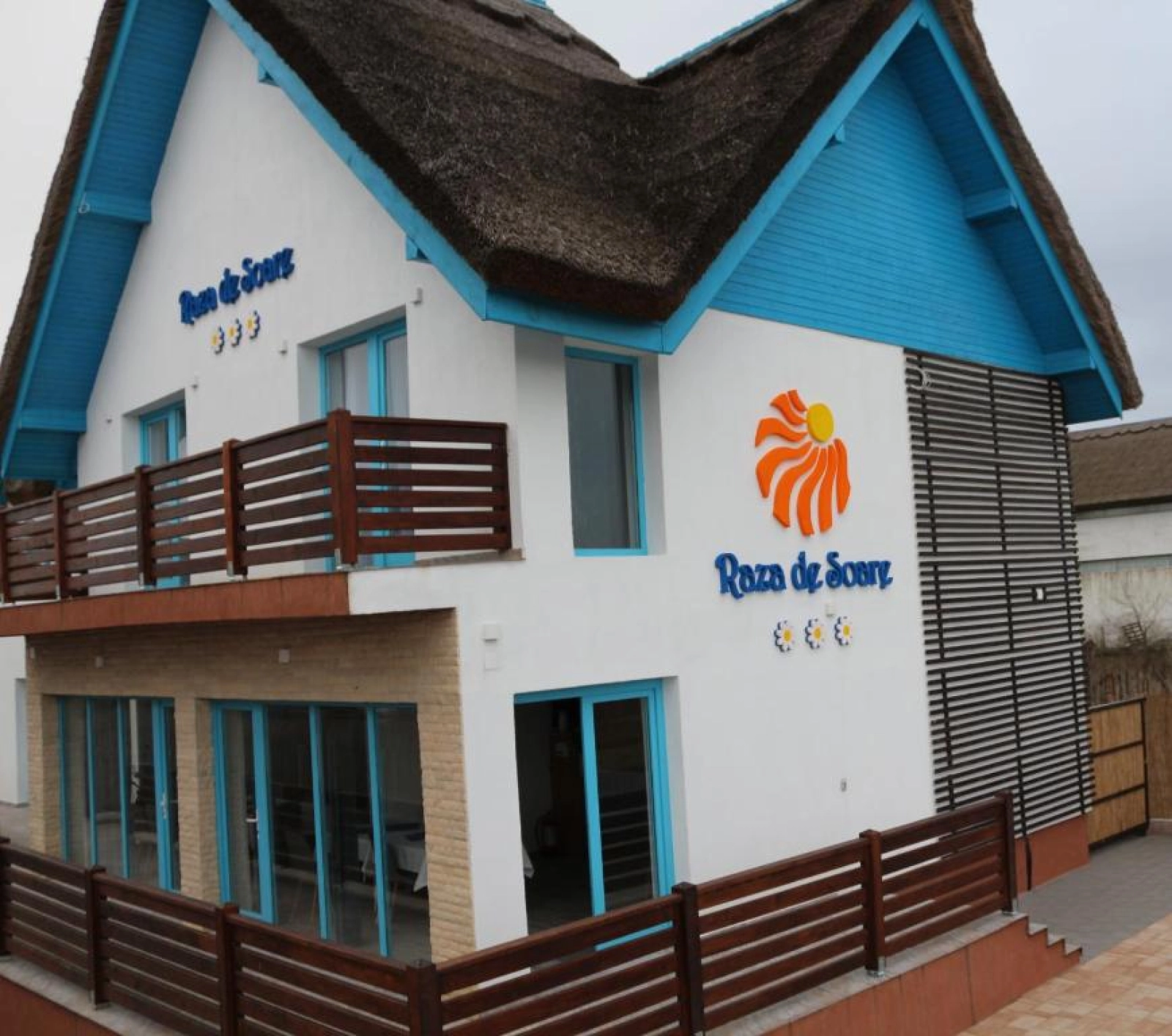
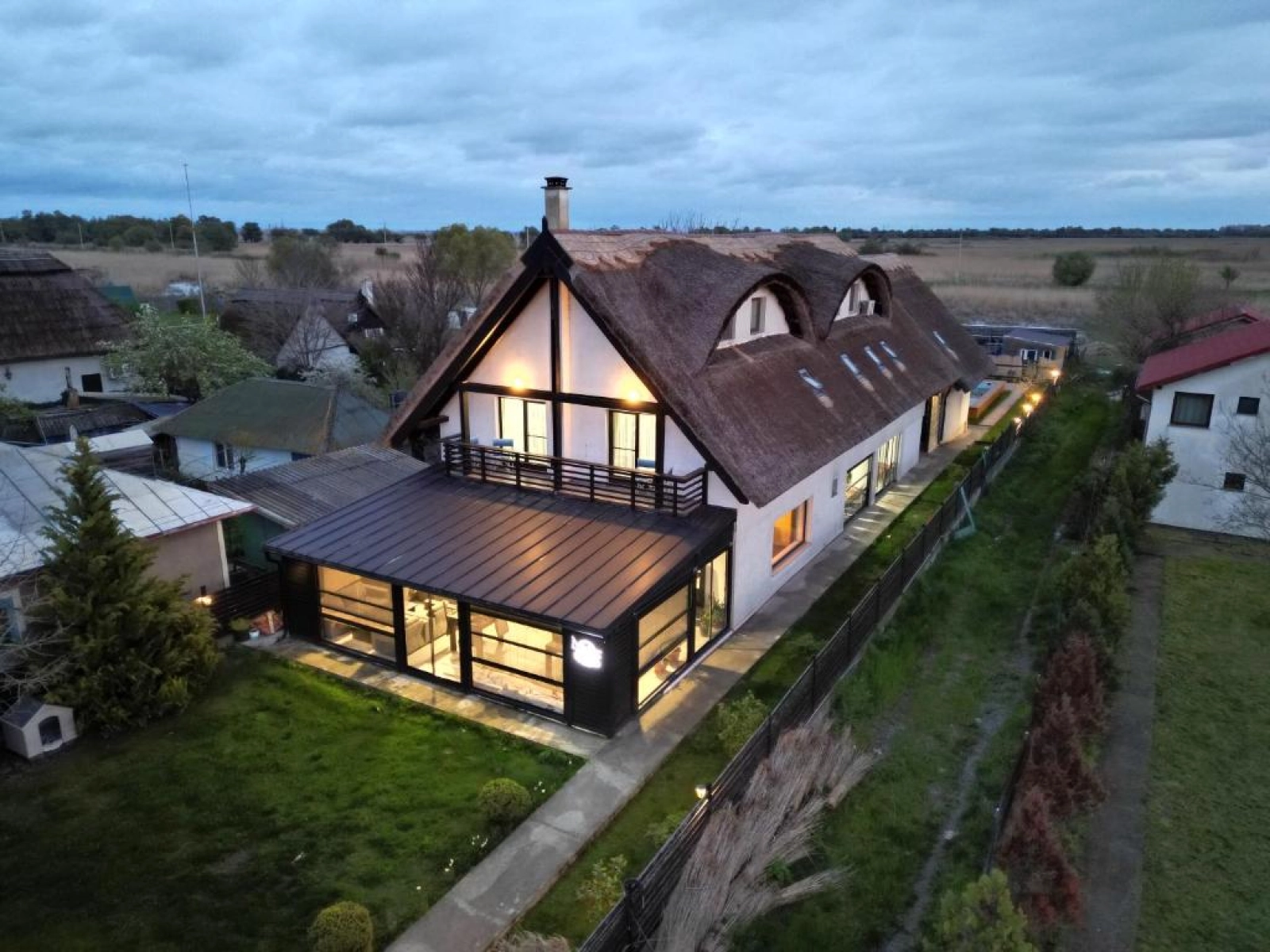
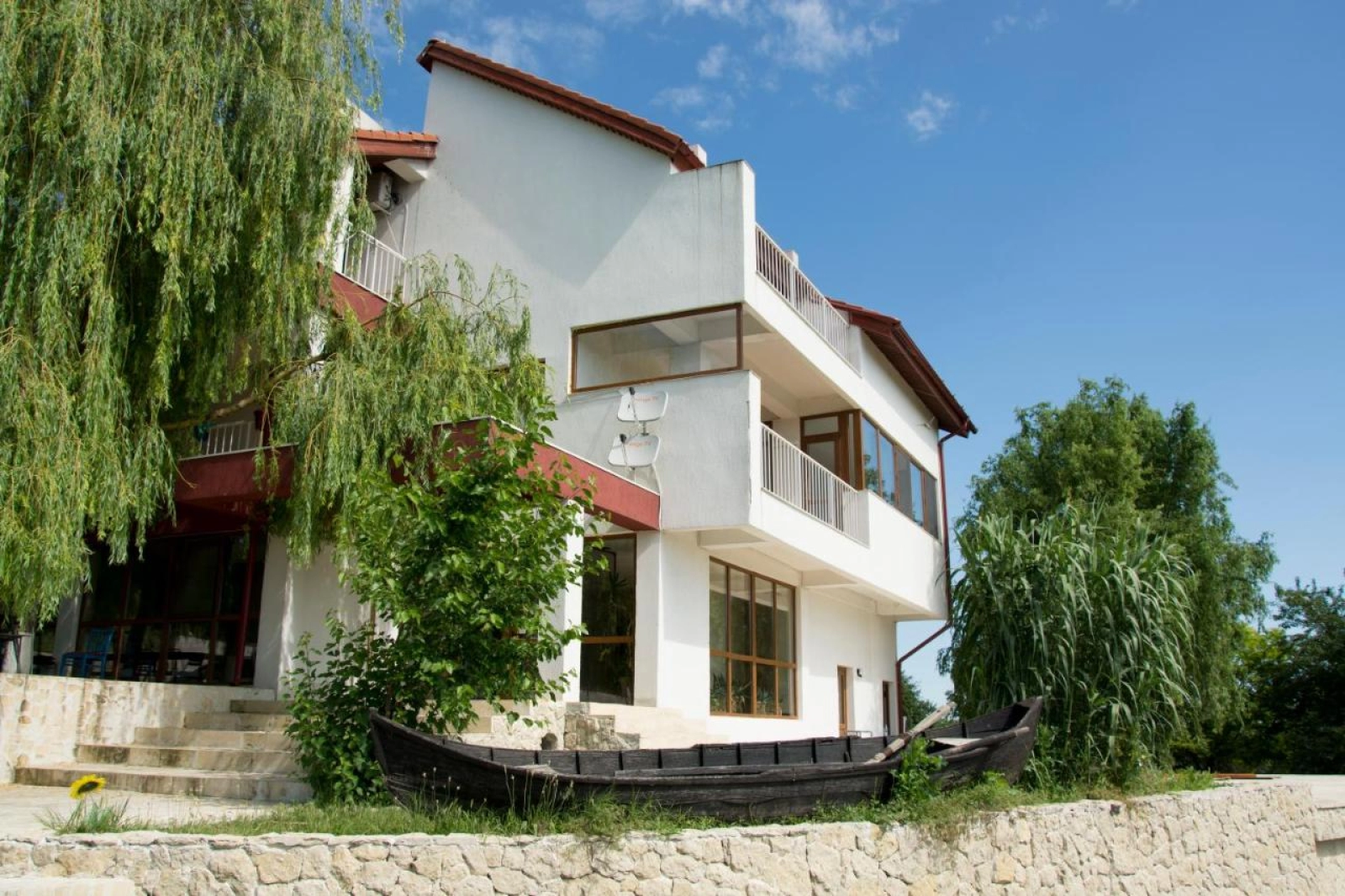
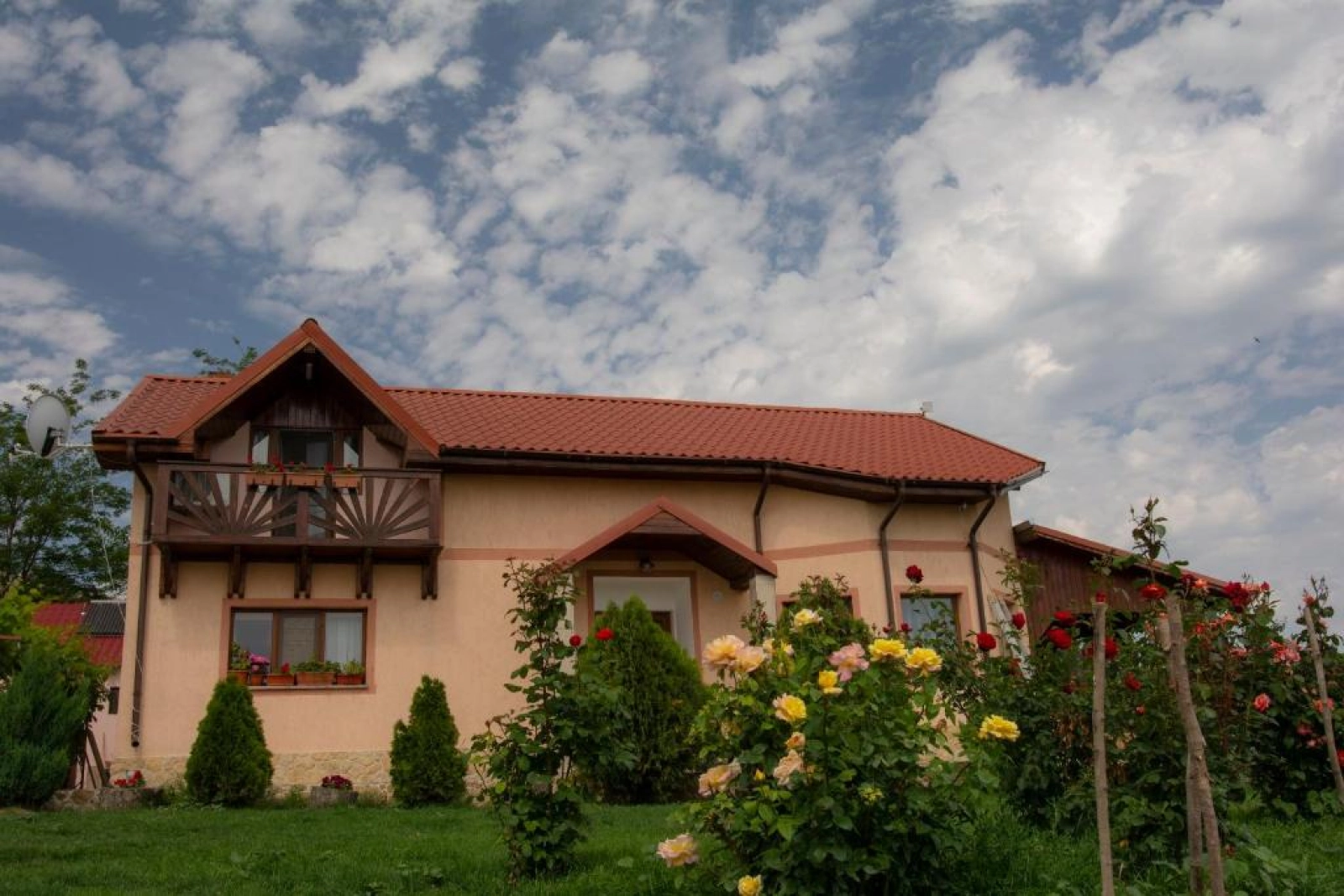
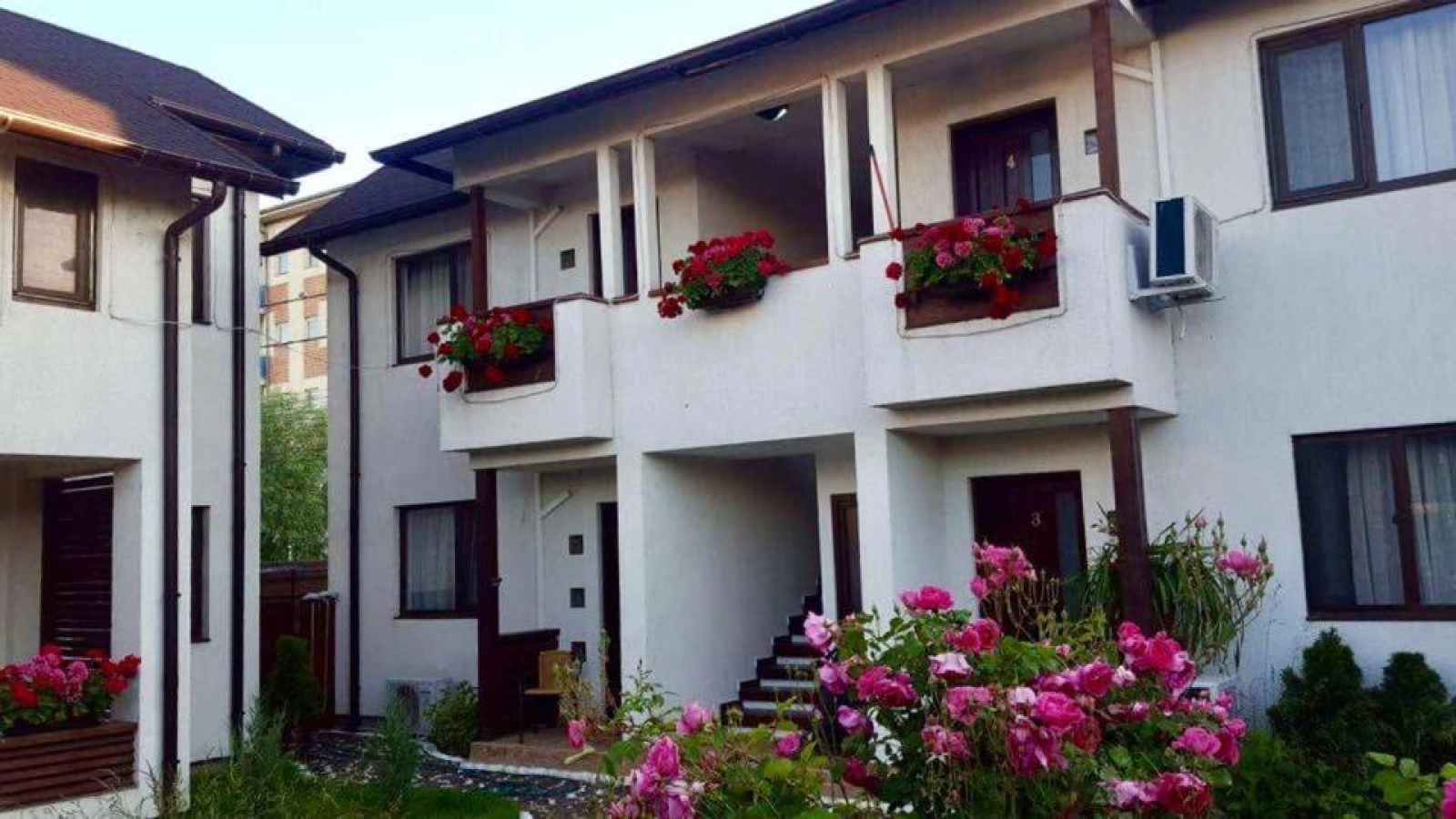
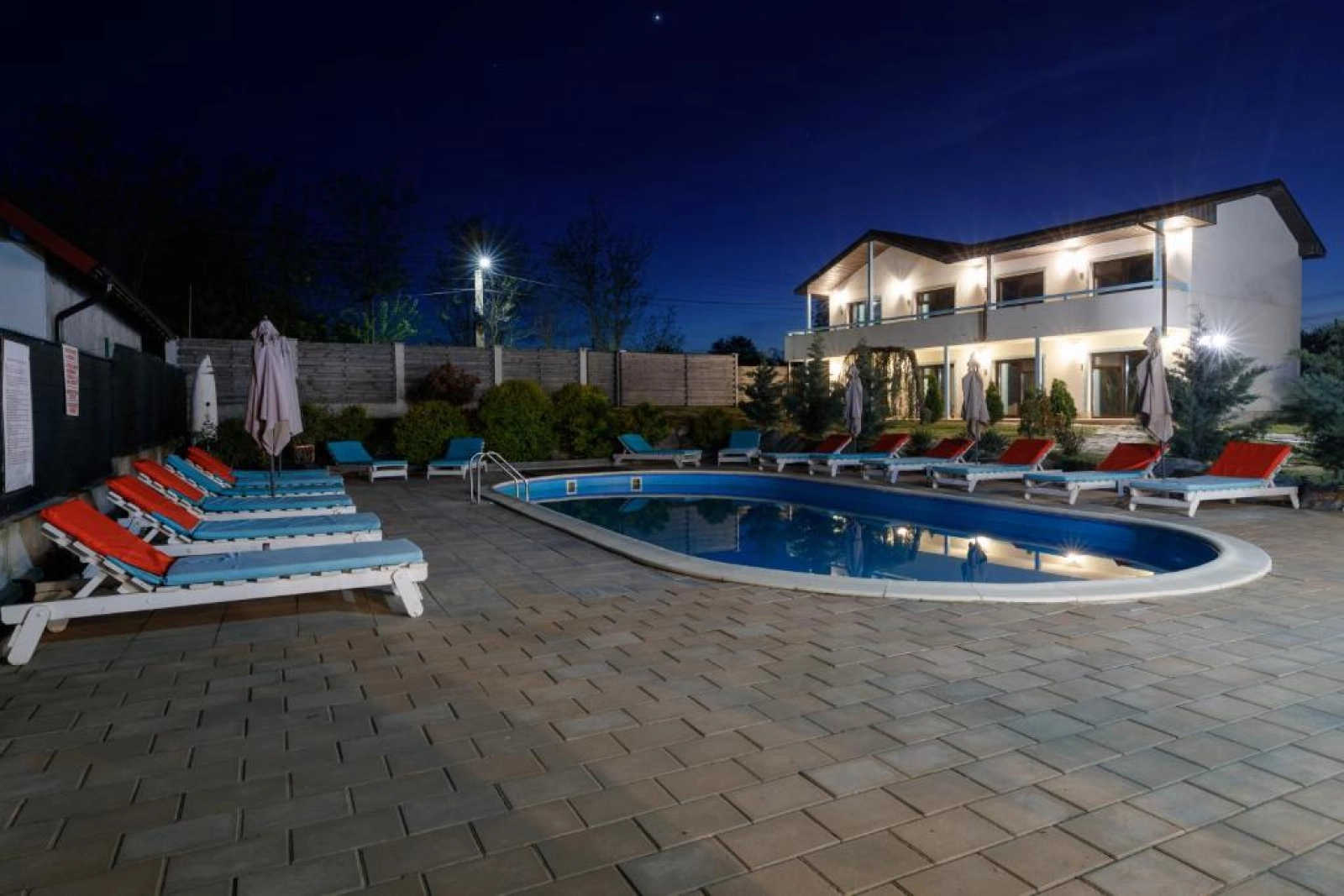
Romania impresses with its natural riches, and the Danube Delta remains the star destination at the end of summer and beginning of autumn, when nature puts on a truly magical show. To fully enjoy such a getaway, early planning is essential. Being a protected area with limited spots on land, premium accommodations book up extremely fast. Fortunately, the stayhere.ro platform simplifies your organization. You can book exceptional accommodations online in just a few clicks: from modern and chic hotels to guest houses and traditional guesthouses, ideal for an authentic experience right on the waterfront.