Customs and traditions
Where can you find the best Kürtőskalács in Romania?
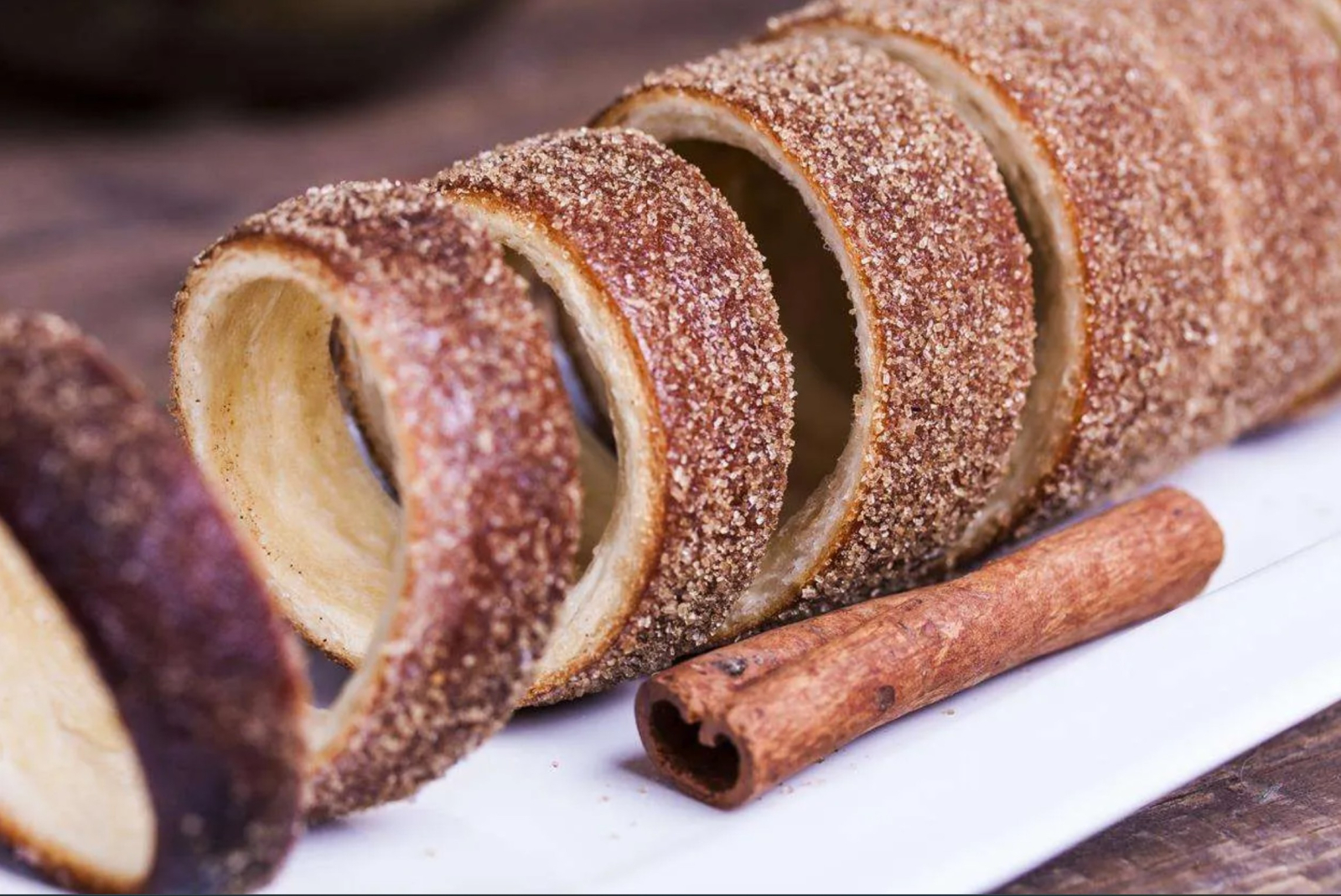
Few desserts can attract people from dozens of meters away with nothing more than their irresistible aroma. The scent of freshly baked dough, melted butter, caramelized sugar, and cinnamon is enough to make anyone stop in their tracks and search for its source. That irresistible treat is Kürtőskalács, one of Transylvania's most beloved traditional desserts, which has become one of Romania's most iconic culinary symbols in recent years.
Whether you know it as Székely chimney cake, Chimney Cake, or simply Kürtőskalács, this unique pastry has a fascinating history and a tradition that has been proudly preserved for generations. If you're planning a trip to Romania and want to discover the authentic flavors of the region, there are several destinations that are well worth visiting for this unforgettable gastronomic experience.
The Story Behind the Famous Kürtőskalács
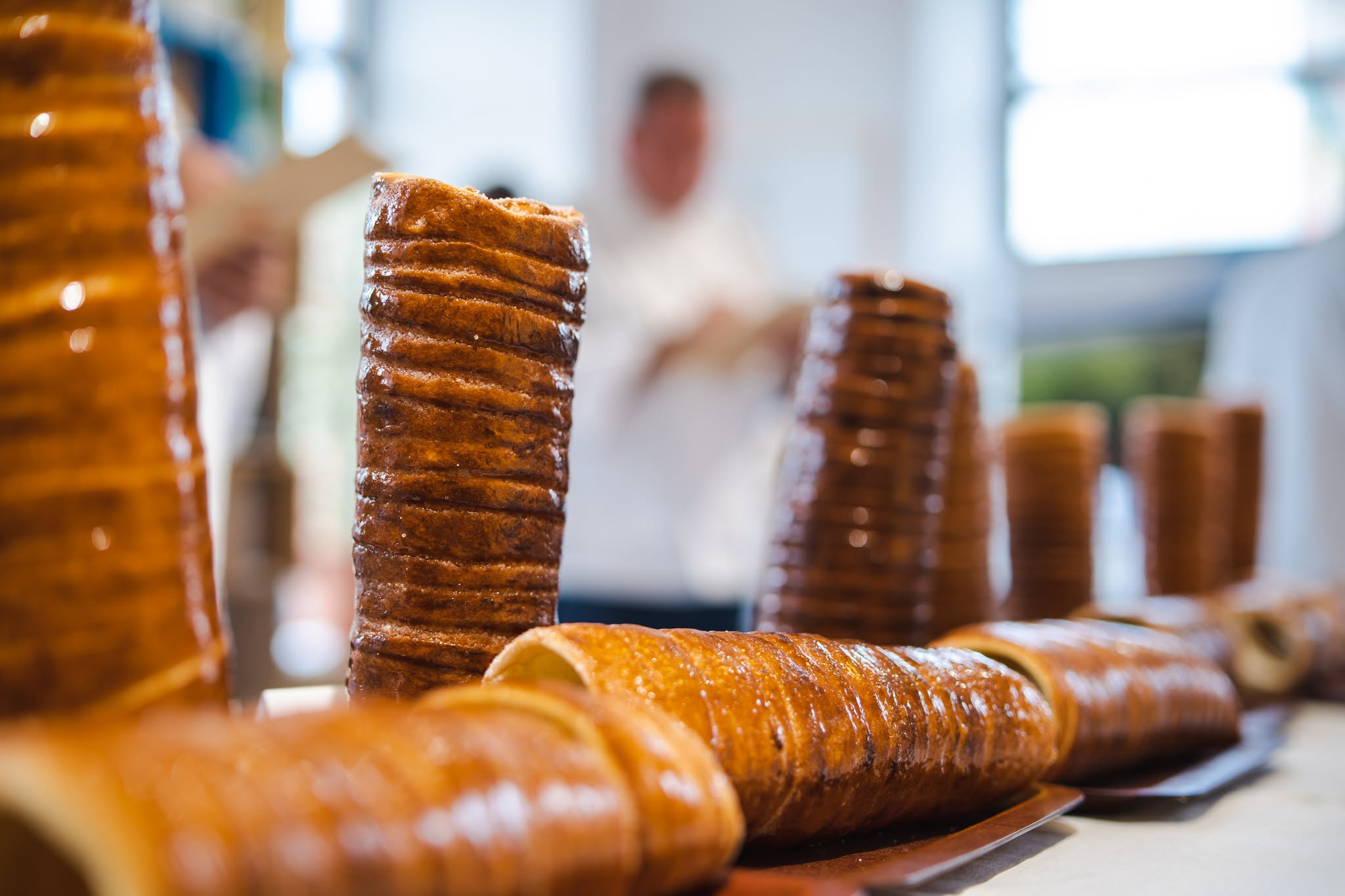
Kürtőskalács has a history spanning several centuries, with its roots deeply connected to the Székely communities of eastern Transylvania. The earliest written recipes date back to the 18th century, although culinary historians believe the dessert had been prepared long before then, with its recipe passed down orally from one generation to the next. The name comes from the Hungarian language: "kürtő" means chimney or flue, while "kalács" refers to a sweet, enriched bread. The name perfectly describes the dessert's distinctive cylindrical shape, hollow center, and the steam that rises from it immediately after baking. Traditionally, the dough is wrapped by hand around wooden spits, brushed with butter, coated in sugar, and slowly roasted over glowing charcoal. During baking, the sugar caramelizes into a crisp, golden-brown crust while the inside remains soft, fluffy, and wonderfully fragrant.
In the past, Kürtőskalács was prepared only for major celebrations, weddings, and special family occasions. Today, it can be found almost every weekend at fairs, festivals, and artisan bakeries throughout Transylvania.
(Source: Consiliul Judetean Covasna)
Székely Land – Where Tradition Is Still Alive
The counties of Covasna, Harghita, and parts of Mureș make up the region known as Székely Land, where Kürtőskalács is far more than just a dessert—it is an essential part of everyday life and local culture. In villages such as Cernat, Brateș, Sânzieni, Zetea, and Corund, many families still prepare Kürtőskalács exactly as their grandparents did. Traditional wooden baking spits are still used today, and the cakes are slowly roasted over hardwood charcoal, giving them their distinctive caramelized crust and unmistakable flavor. Many visitors take part in culinary workshops organized by local guesthouses, where they can prepare their very own Kürtőskalács from scratch. For children, these workshops are among the most enjoyable holiday activities, offering a fun way to discover Székely traditions.
Beyond its rich culinary heritage, Székely Land also offers countless natural and cultural attractions, including Saint Anne Lake, the Mohoș Peat Bog, Praid Salt Mine, the Vârghiș Gorges, and the mountain resorts of Băile Balvanyos and Băile Tușnad.
Sfântu Gheorghe – The Perfect Destination for Kürtőskalács Lovers
Every autumn, Sfântu Gheorghe hosts the Kürtőskalács Festival, one of Romania's most important gastronomic events. Usually held in September, the festival brings together master bakers from all over Transylvania. Visitors have the opportunity to watch every step of the baking process, from kneading the dough to roasting it over glowing charcoal using traditional techniques. The lively atmosphere is enhanced by concerts, folk dance performances, children's activities, and culinary competitions. Locals often say that the secret to the perfect Kürtőskalács lies not only in the recipe but also in patience. The dough must be given enough time to rise, while the wooden spit has to be constantly rotated over the hot embers to achieve an evenly caramelized crust.
Odorheiu Secuiesc – A Town Filled with the Aroma of Kürtőskalács
Few Romanian towns are as closely connected to Székely gastronomy as Odorheiu Secuiesc. During the summer months and local fairs, almost every town square features at least one stand where Kürtőskalács is freshly baked in front of visitors. Besides the traditional version coated in caramelized sugar, you'll also find delicious varieties covered with walnuts, cinnamon, coconut, cocoa, or almonds. If you're visiting the area, don't miss Mini Transylvania Park, one of Romania's most fascinating miniature parks, as well as the countless hiking trails winding through the beautiful Harghita Mountains.
Brașov – Tourists' Favorite Destination for Kürtőskalács
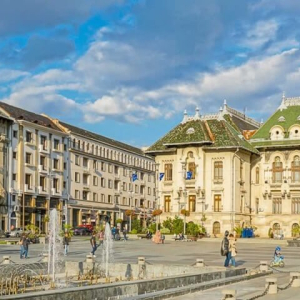
Brașov is one of Romania's most visited cities and also one of the best places to enjoy authentic Kürtőskalács. In Council Square, especially during the Christmas Market and medieval festivals, the irresistible aroma of freshly baked chimney cakes fills the entire historic center.
Many of the vendors come from Covasna and Harghita counties, faithfully preserving the original recipe and traditional baking methods. After strolling along Rope Street, visiting the Black Church, or taking the cable car to the top of Mount Tâmpa, there's no better way to end the day than with a warm, freshly baked Kürtőskalács.

(Source: Dreamstime)
Sibiu – Transylvanian Traditions and Authentic Flavors
Sibiu hosts some of Romania's most popular fairs and festivals, and almost every major event features stands serving freshly baked Kürtőskalács. During the famous Christmas Market and Medieval Festival, visitors can watch the dessert being baked right in the heart of the Grand Square. The city is a perfect destination for a weekend getaway, combining remarkable historical heritage with outstanding culinary experiences.
Did You Know?
Many fascinating legends surround Kürtőskalács. One of the best-known stories says that the dessert was once prepared exclusively for distinguished guests because ingredients such as butter, sugar, and refined flour were considered luxury products. Another legend claims that its cylindrical shape symbolized prosperity and abundance, making Kürtőskalács an essential dessert at weddings and important family celebrations.
Today, Kürtőskalács is internationally known as Chimney Cake and has become a favorite treat at Europe's largest Christmas markets as well as in the United States.
Where Else Can You Taste Authentic Kürtőskalács?
Besides the destinations already mentioned, you'll also find excellent Kürtőskalács in Sovata, Miercurea Ciuc, Târgu Mureș, Sighișoara, and many villages throughout Covasna and Harghita counties. Many traditional guesthouses organize culinary evenings where visitors can take part in the entire preparation process—from kneading the dough to baking it over glowing charcoal. These experiences are enjoyable for both adults and children while offering a genuine insight into local traditions and culture.

Turn Your Kürtőskalács Tasting into an Unforgettable Journey
A trip to Transylvania is about much more than enjoying a delicious dessert. In a single day, you can explore medieval castles, fortified churches, traditional villages, scenic mountain trails, and volcanic lakes before ending the evening with the unforgettable aroma and taste of a freshly baked Kürtőskalács.
Whether you choose Sfântu Gheorghe, Odorheiu Secuiesc, Brașov, Sibiu, or one of the charming villages of Székely Land, you'll discover that each destination has its own unique interpretation of this iconic dessert while preserving the same centuries-old tradition passed down from generation to generation.
On StayHere.ro, you'll find a wide selection of guesthouses, cabins, apartments, and hotels located near Romania's best Kürtőskalács destinations. Plan your next getaway, discover the enchanting atmosphere of Transylvania, and let yourself fall in love with one of Romania's most famous traditional desserts.