Travel Ideas
Historic destinations in Brașov County
Brașov County is one of the richest areas in Romania from a historical point of view, offering an impressive combination of medieval fortresses, famous castles, and towns steeped in stories. For history enthusiasts, this region represents a true foray into the past, where every monument and every street preserves the traces of long-gone eras.
From the imposing Rupea Fortress, one of the oldest fortifications in Transylvania, to the spectacular Râșnov Fortress, built strategically on a hill to defend local communities, Brașov County offers a variety of landmarks that perfectly illustrate medieval defensive architecture. The city of Brașov itself is a true open-air museum. The cobbled streets, historical buildings, and monuments such as the Black Church or the Council Square create a unique atmosphere, where the past and present blend harmoniously. Every corner of the city tells a story, and visitors can discover Gothic, Renaissance, and Baroque influences here.
The famous Bran Castle, internationally known and often associated with the legend of Dracula, cannot be missing from this list. Beyond the myths, the castle impresses with its architecture and its historical role in defending the borders of Transylvania. Also, the Prejmer Fortified Church perfectly completes the historical picture of the region, being one of the best-preserved medieval fortifications in Eastern Europe and a remarkable example of how Saxon communities organized their defense.
These destinations transform Brașov County into an ideal place for a journey through time. Whether it's about fortresses perched on hills, legendary castles, or charming medieval towns, this region offers authentic experiences for all those who want to discover the fascinating history of Romania.
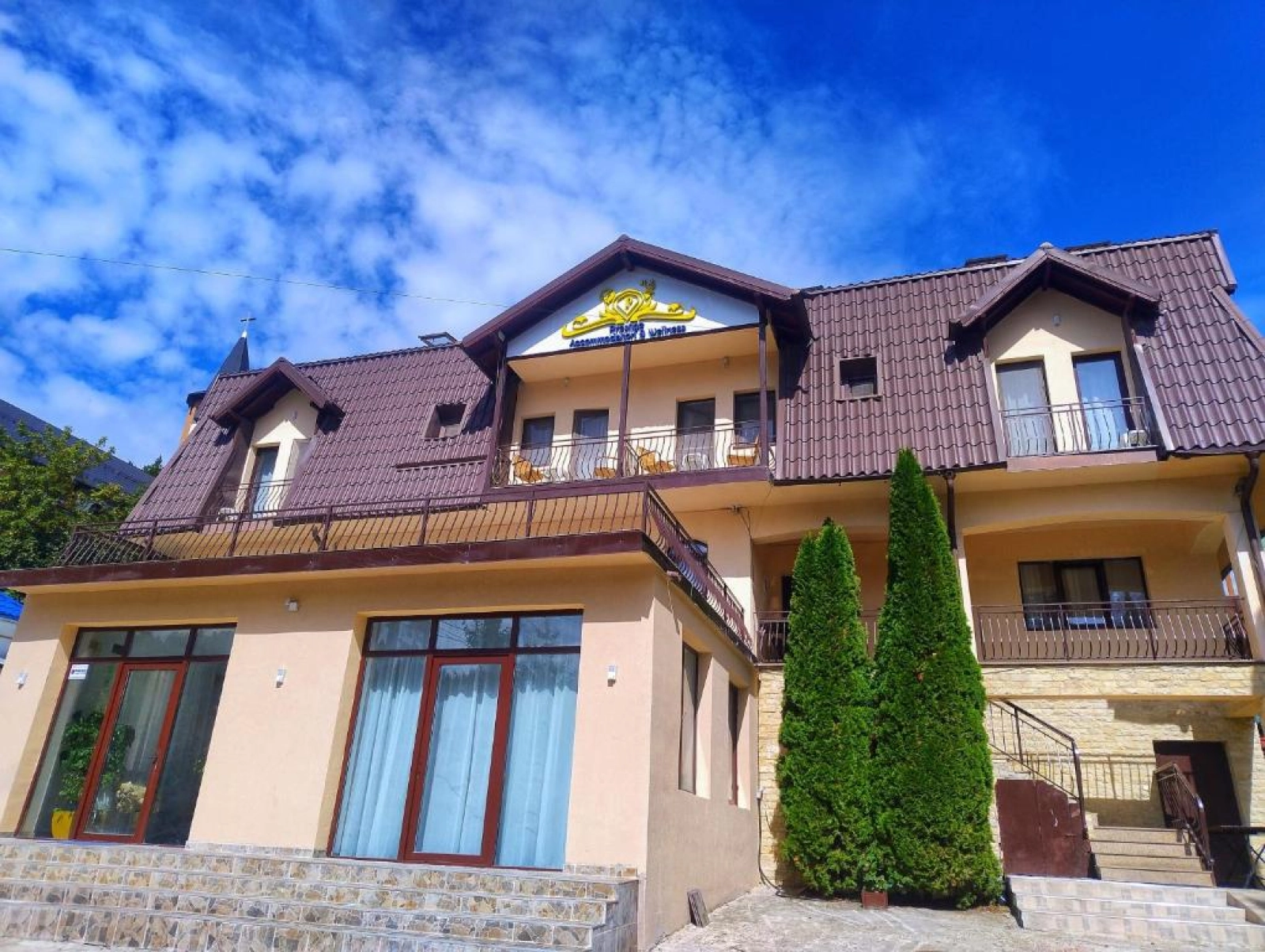
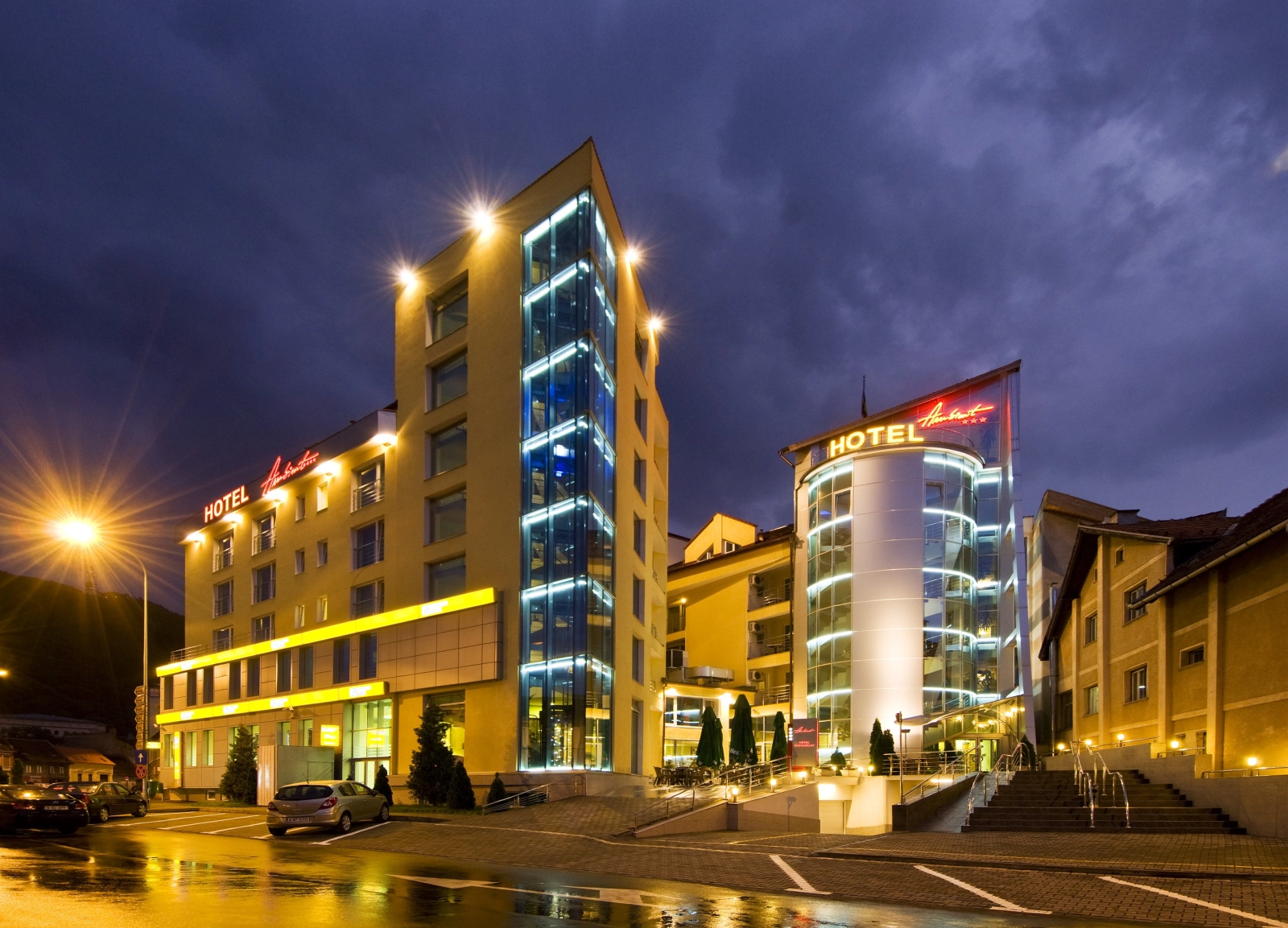
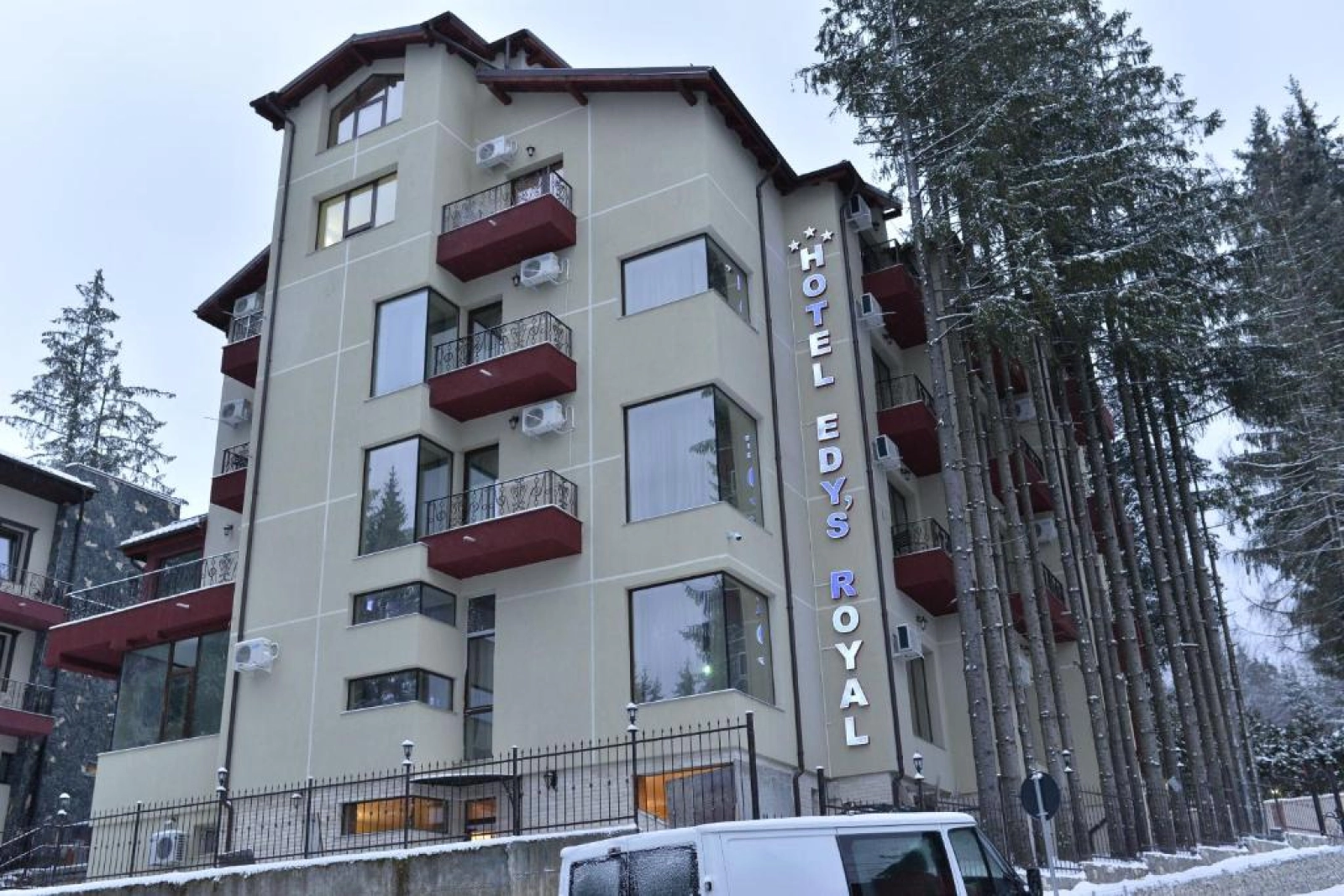
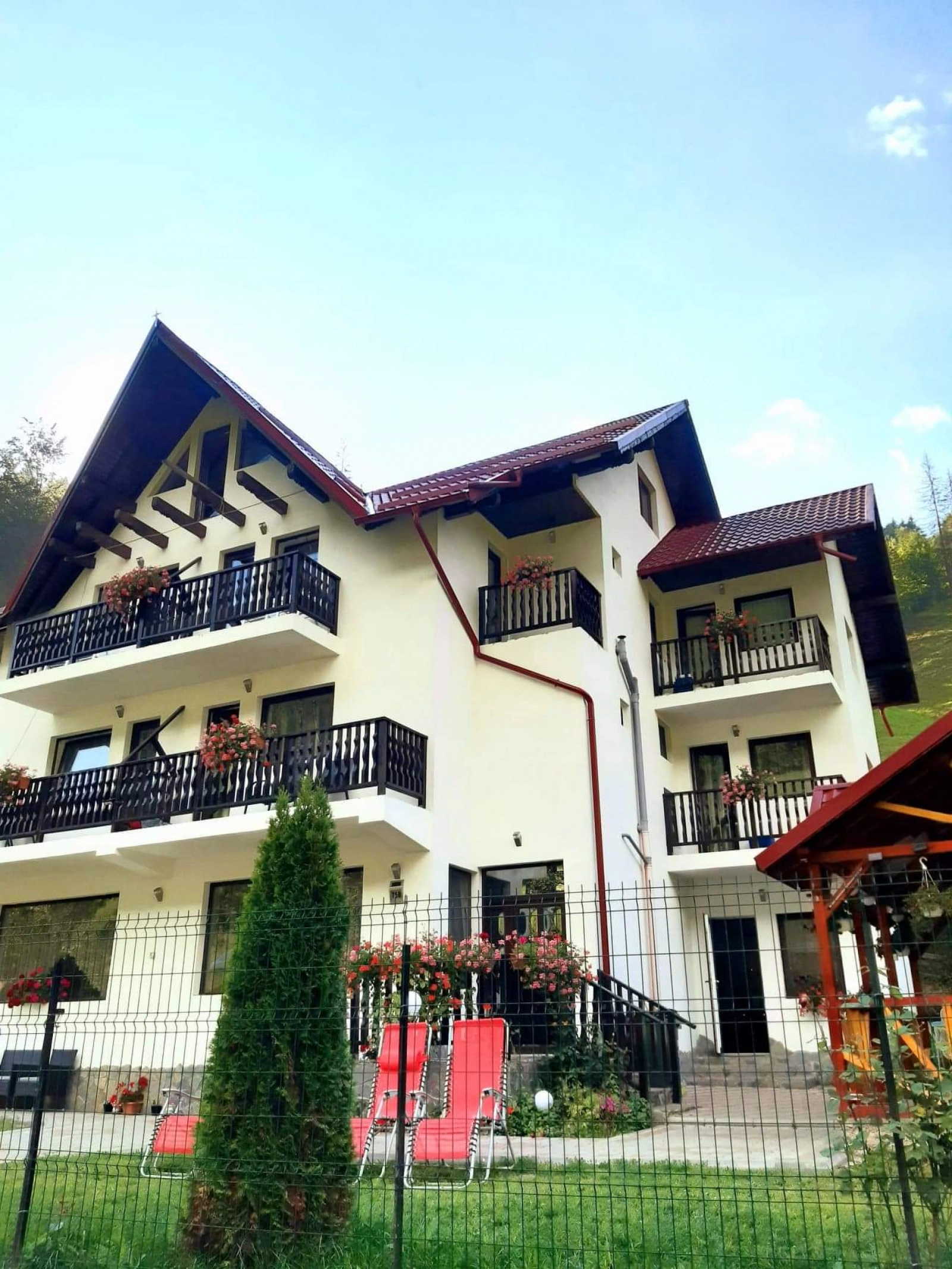
Recommended accommodations
See all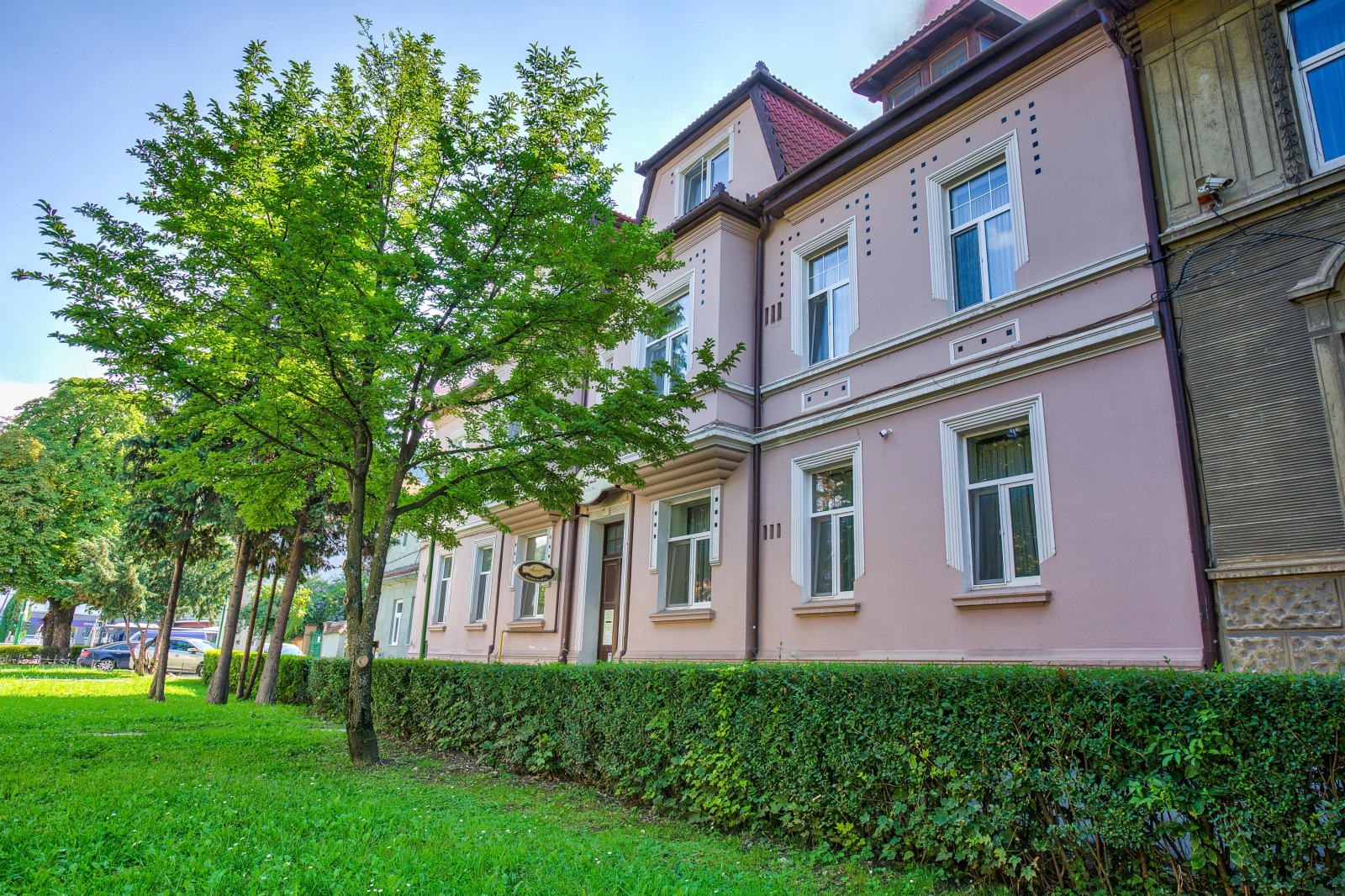

Rupea Fortress
One of the oldest and most spectacular fortifications in Transylvania is the Rupea Fortress, located on a basaltic hill that dominates the surroundings of Rupea town, in Brașov County. With a history dating back to the Dacian period, the fortress was expanded and consolidated in the Middle Ages, becoming an important strategic point and refuge for local communities.
Its positioning offers a natural defensive advantage, as well as an impressive panorama over the surrounding area. Over time, the fortress was used both as a military fortification and as a shelter during periods of conflict, being inhabited by locals during invasions. The structure of the fortress is organized on several levels: the lower fortress, the middle fortress, and the upper fortress, each with well-defined defensive roles. The thick walls, observation towers, and fortified gates reflect the architectural ingenuity of the medieval era. Inside, visitors can discover restored spaces that provide a clear picture of life in those times.
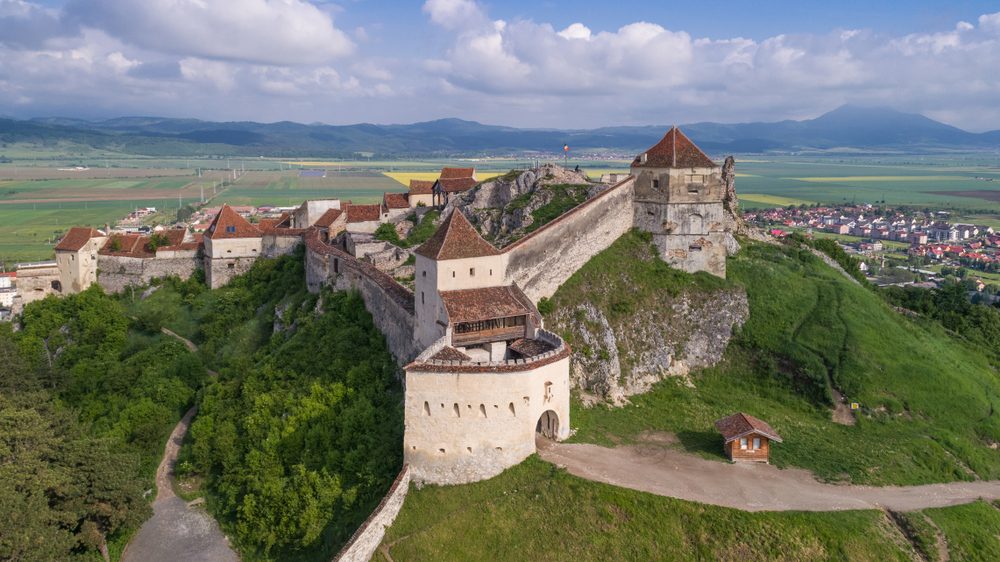
( Source: Valea Verde Retreat )
An interesting element of the Rupea Fortress is the presence of a deep well, essential for survival during sieges. This ensured access to water for the inhabitants taking refuge inside the fortification, demonstrating once again the community's level of organization. After a long period of degradation, the fortress was restored and reopened to the public, becoming today one of the most important tourist attractions in the area. The rehabilitation works managed to preserve the authenticity of the place, while offering modern conditions for visiting.
Today, Rupea Fortress is an ideal destination for history buffs and for those who want to explore one of the oldest fortifications in Romania. Its authentic atmosphere, combined with spectacular views and its fascinating story, transforms the visit into a memorable experience, a true journey into the medieval past of Transylvania.
Râșnov Fortress
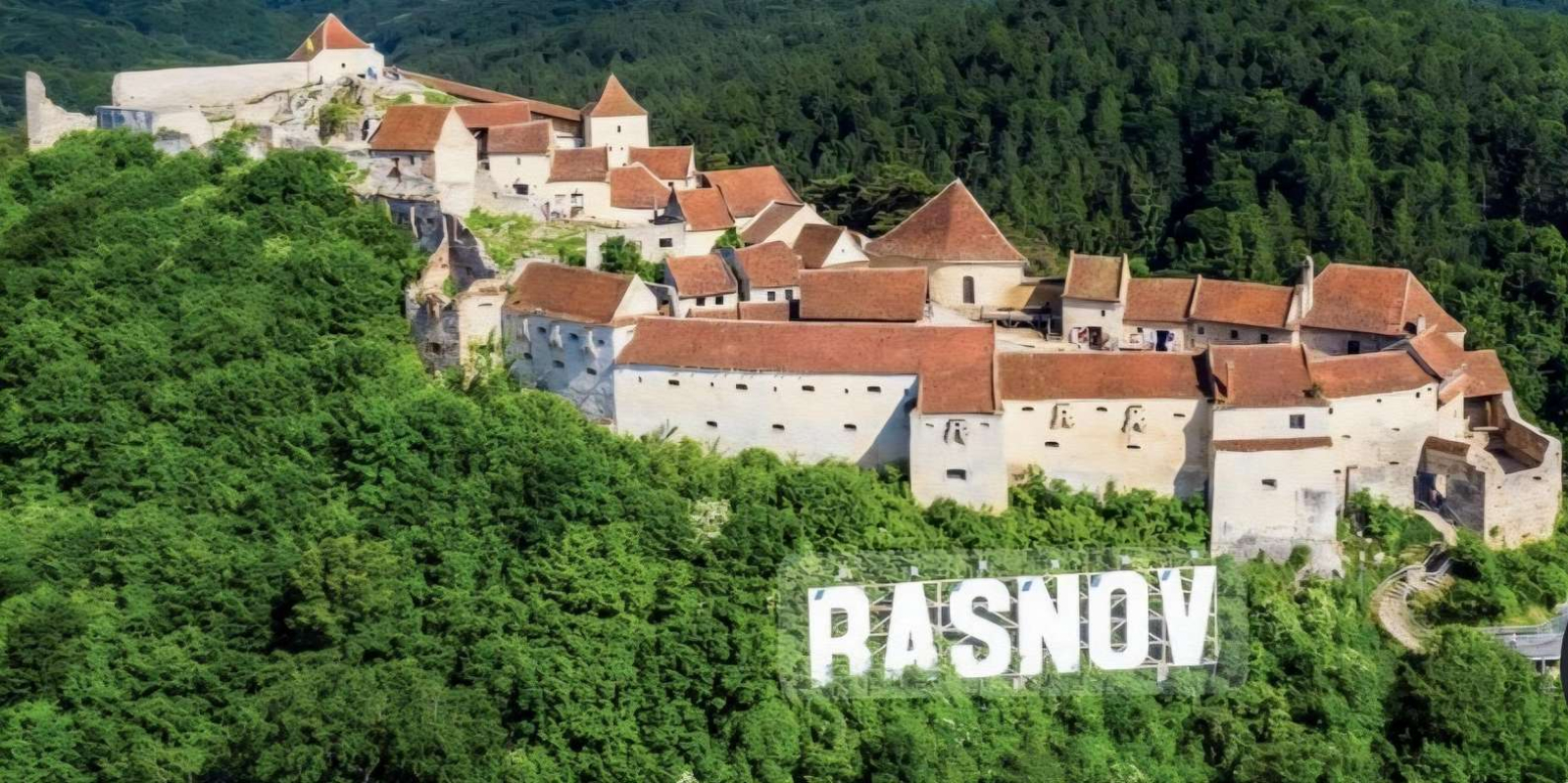
Located on a rocky hill near the town of Râșnov, Râșnov Fortress is one of the best-preserved peasant fortresses in Transylvania and a remarkable example of medieval defensive organization. Its strategic location between Brașov and Bran gave it an essential role in protecting the communities in the area against invasions. Built in the 13th century by the Teutonic Knights and later expanded by the local community, the fortress was designed as a refuge for the inhabitants in times of danger. Unlike other fortifications intended exclusively for military defense, Râșnov Fortress was conceived as a habitable space, where people could survive long-term during sieges.

( Source: Transylvanian Inn )
Inside the fortress, there are numerous dwellings, workshops, warehouses, and even a school and a chapel, all organized along narrow streets. This layout offers visitors an authentic view of everyday life in a medieval community. Each building had a well-defined role, contributing to the efficient functioning of the fortress in critical moments. A particularly interesting element is the deep well inside the fortress, which is said to have been dug by Turkish prisoners in exchange for the promise of being freed. This ensured access to water and was essential for the long-term resistance of the inhabitants during sieges. The view offered from the fortress walls is spectacular, revealing the picturesque landscapes of the Bârsa Land. This combination of history and nature makes Râșnov Fortress an extremely attractive destination for tourists.
Today, the fortress is an important tourist attraction, restored and arranged for visiting, while maintaining its authenticity. Visitors can explore its medieval streets, discover the stories of the place, and enjoy a unique experience that combines history with the natural beauty of the area.
Medieval sights in Brașov
The city of Brașov is one of the best-preserved medieval cities in Romania, a place where every street and every building tells a story about its rich past. For history lovers, the old center of Brașov offers an authentic experience, where Gothic architecture, Renaissance influences, and the medieval atmosphere blend harmoniously.
One of the most emblematic monuments is the Black Church, the largest Gothic church in Southeastern Europe. Built in the 14th-15th centuries, it impresses with its size, but also with its unique collection of oriental carpets and the monumental organ that still resounds during concerts. Just a few steps away is the Council Square, the heart of the medieval city. Surrounded by colorful buildings and dominated by the Council House, the square has been the center of commercial and social life throughout time. Today, it is a vibrant place where tourists can feel the pulse of the city and admire the historical architecture.

( Source: G4Media )
Another important landmark is the Rope Street, one of the narrowest streets in Europe. It offers a unique experience and is a perfect example of how space was used efficiently in medieval cities. For those interested in the city's defense systems, the White Tower and the Black Tower are two impressive observation points that were part of the old fortifications of Brașov. These provide not only a history lesson but also spectacular views over the city and its surroundings.
Furthermore, the walls of the old fortress and the bastions preserved to this day complete the image of a city that knew how to protect its identity over centuries. Walking through these places is like a journey through time, where every architectural detail reflects the mastery and organization of the medieval community.
Thus, Brașov is not just a tourist city, but an essential destination for those who want to discover the living history of Transylvania. Every corner of it offers a story, transforming the visit into an authentic and memorable cultural experience.
Bran Castle
One of the most famous and visited tourist attractions in Romania is Bran Castle, located on the border between Transylvania and Wallachia, near the town of Bran. Built on an imposing rock, the castle dominates the landscape and annually attracts thousands of tourists fascinated by its history and legends. Built in the 14th century, Bran Castle initially had a strategic role, being used as a defense point and customs between the two historical regions. Over time, it was expanded and transformed, later becoming a royal residence, especially during the time of Queen Marie of Romania, who contributed significantly to its furnishing and restoration.
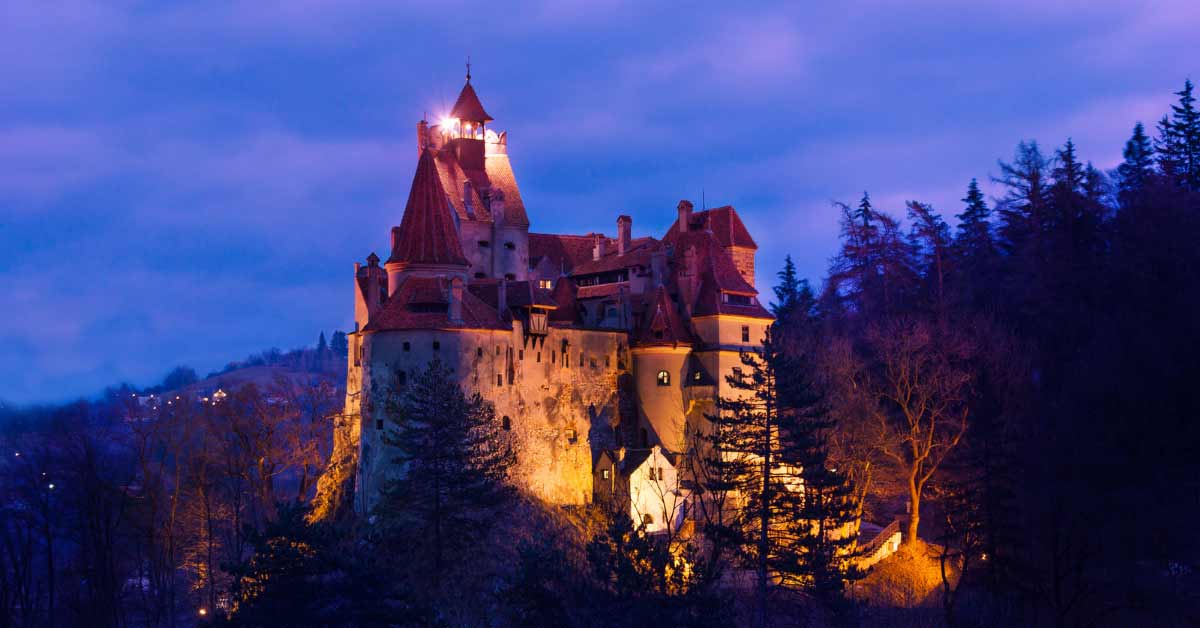
( Source: Balkan Trails )
The castle is often associated with the legend of Dracula, inspired by the historical figure of Vlad the Impaler. Although the connection between him and the castle is rather symbolic, the myth has contributed to the international fame of the place, turning it into a destination of interest for tourists from all over the world. The castle's architecture is particularly picturesque, with pointed towers, narrow corridors, and rooms decorated in medieval style. The interior preserves furniture, art objects, and authentic details that offer a glimpse into the aristocratic life of the past. Each room tells a story, and the overall atmosphere is full of mystery and charm. The view from the castle terraces is spectacular, revealing the surrounding mountains and forests, perfectly completing the visit experience. The area around the castle is also full of traditions and offers numerous opportunities for exploration.
Today, Bran Castle is not only a symbol of Romania but also a focal point for cultural and historical tourism. Visiting it offers a unique combination of reality and legend, being a captivating experience for all those who want to discover one of the most fascinating destinations in Transylvania.
Prejmer Fortified Church
Just a few kilometers from Brașov, in the town of Prejmer, lies one of the most impressive and best-preserved medieval fortifications in Eastern Europe: the Prejmer Fortified Church. Included in the UNESCO World Heritage list, it represents a remarkable example of Saxon defensive architecture and a living testimony to the tumultuous history of the region.

( Source: Hola Transylvania )
Built in the 13th century by the Teutonic Knights and later developed by the Saxon community, the church was conceived as a true refuge for the inhabitants in the face of frequent invasions. The fortification impresses with its massive walls, which reach heights of up to 12 meters and a considerable thickness, being designed to withstand even the strongest attacks. A unique element of this complex is the system of rooms arranged along the inner walls. These, numbering over 250, served as storage spaces and temporary dwellings for the village families during sieges. Each room was assigned to a family, demonstrating the rigorous organization of the community. Access to the enclosure is through a fortified gate equipped with a complex defense system, including a massive grating and mechanisms meant to slow down the attackers' advance. The fortification also included bastions and defense towers, strategically positioned to ensure maximum visibility over the surroundings. The interior of the church, built in Gothic style, preserves a sober and authentic atmosphere. Although the main focus is on the defensive functionality, the religious space remains a central element of the complex, reflecting the faith and values of the community that built it.
Today, the Prejmer Fortified Church is one of the most important tourist attractions in Brașov County. Carefully restored, it offers visitors an authentic experience, where they can discover both the ingenuity of medieval architecture and the way of life of Saxon communities.
Visiting this place is a true journey through time, where every wall and every room tell a story about courage, solidarity, and adaptation. The Prejmer Fortified Church remains a symbol of the cultural heritage of Transylvania and an essential destination for history lovers.