Travel Ideas
Discover 4 Fairytale Destinations in Brașov County
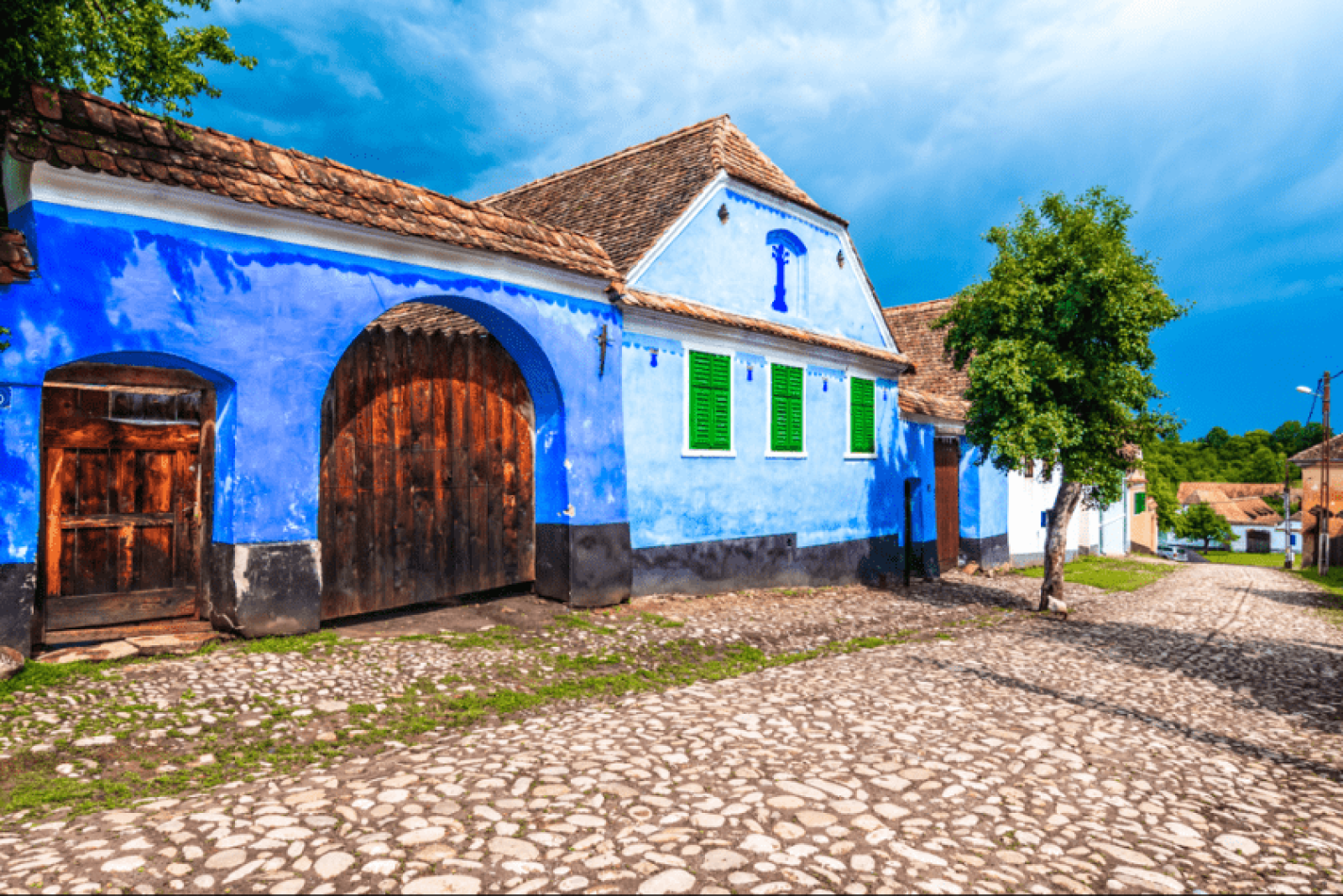
Every cobbled street and every fortress wall tells a story. Here, time seems to linger—whether in Saxon villages preserved for centuries, fortresses once built to defend communities from invasions, or castles that inspired world-famous myths. Together, they make Brașov County feel like a vast open-air museum.
Viscri, a UNESCO World Heritage village, enchants visitors with the simplicity of rural life and its iconic fortified church. Râșnov, crowned by its hilltop fortress, offers a window into the region’s turbulent past. In Făgăraș, history echoes within the massive walls of its fortress—one of Romania’s largest and best-preserved. And Bran, home to the legendary castle, is where myth and reality intertwine, drawing travelers from across the globe.
Exploring these four destinations is a journey through time and story: from the quiet charm of traditional villages, to the might of medieval strongholds, and the legends that ignite the imagination.
We invite you to discover these four fairytale places in Brașov County—where the authentic beauty of Transylvania reveals itself, and where history, culture, and legend come together to create one of Romania’s most beloved tourist regions.
1. Viscri – The Village That Conquered the World
Viscri is undoubtedly one of the most picturesque and authentic villages in Transylvania, which over time has become a symbol of Saxon rural heritage. The first documentary mention dates back to 1185, when Saxon settlers established themselves in the area, bringing with them their distinctive architecture and community organization. They built sturdy houses with thick walls and tall roofs, which still define the authentic appearance of the village today. In German, the village’s name is Weißkirch, meaning “White Church,” a direct reference to the edifice that became the spiritual and defensive center of the community.

(Source: Viscri 32 )
The most important attraction is the Fortified Church of Viscri. Originally built as a small Romanesque basilica in the 12th century, it was transformed in the following centuries into a strong fortress with defense towers, thick walls, and bastions. Today, it is included on the prestigious UNESCO World Heritage list. With its massive walls, defensive towers, and simple yet imposing architecture, the church represents not only a historic monument but also a symbol of the resilience and organization of the Saxon community through the centuries. Inside, the church preserves traditional Saxon furniture, authentic murals, and numbered wooden benches—each family in the village once having its own designated seat. From the towers, the views over the village and the gentle surrounding hills are particularly stunning, especially at sunset.
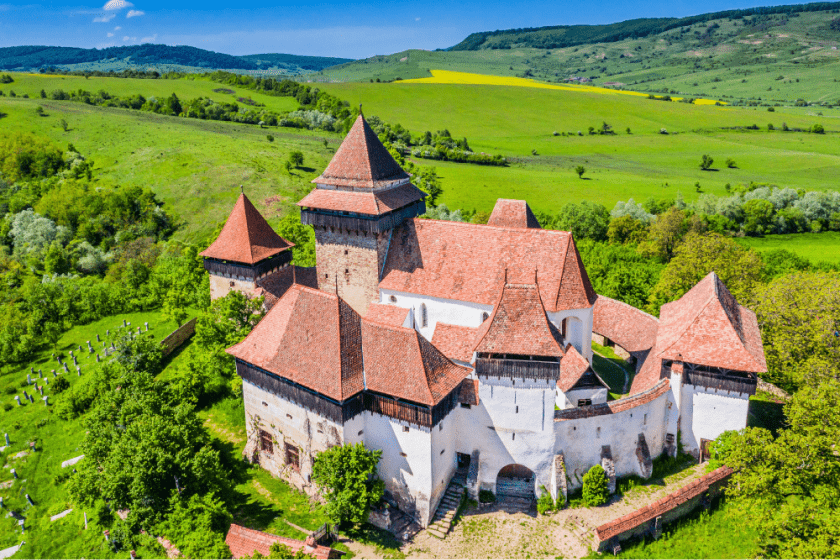
( Source: Valea Verde Retreat)
The houses of Viscri—with whitewashed or pale blue façades, small windows, and tall tiled roofs—are remarkable for their simplicity and sturdiness. The cobbled lanes and aligned houses along the main road retain an untouched medieval atmosphere. Behind the large wooden gates lie spacious courtyards, still functioning households with barns, stables, and gardens. The traditional Saxon architecture—with its massive gates, white or blue-painted façades, and generous inner yards—gives the village a special charm. Visiting Viscri feels like stepping back in time, where life still follows the rhythm of nature and tradition.

( Source: Colțișor de România )
The cultural heritage and authenticity of Viscri have earned it international recognition. The village also gained fame through its connection with King Charles III of the United Kingdom, who purchased and restored a traditional house here. His involvement brought Viscri worldwide visibility, as well as a model of best practice for preserving rural heritage. Through his foundations, the King promotes sustainable tourism and the protection of Transylvania’s cultural legacy. His regular visits have not only given the village global popularity but also boosted local development, attracting tourists, investors, and cultural organizations.

( Source: Monitorul Express )
Today, Viscri is a destination where you can experience the authentic beauty of Transylvania: taste traditional dishes, witness crafts passed down through generations, and enjoy the peace and simplicity of village life. It is a place where the past still lives in the present, offering visitors the rare opportunity to experience a living fragment of Romania’s history.
What makes Viscri truly special is not just the fortified church or the Saxon architecture, but the authentic atmosphere. Life here flows at its own pace: locals raise animals, work the land, and open their homes to visitors, sharing pieces of their everyday lives. It is an experience that disconnects you from the hustle of the city and brings you closer to simple and enduring values.

(Source: Location Scout )
Viscri is not just a village—it is a symbol of tradition, authenticity, and the link between past and present. Visiting it means stepping into a place where history is still alive, and where simple beauty stays with you long after you leave.
2. Râșnov – The Fortress That Watched Over Centuries
Nestled at the foot of the Bucegi and Postăvaru Mountains, in the heart of Țara Bârsei, Râșnov is a town forever linked to one of Romania’s most striking medieval strongholds: Râșnov Fortress. Built in the 13th century by the Teutonic Knights and later expanded by the Saxon community, the fortress stood as a shield against Tatar and Ottoman invasions.

( Source: Cazare Rasnov )
What makes Râșnov unique is that it was more than just a military bastion—it was a refuge for the entire community. Within its walls, people built homes, a chapel, food stores, and even a school, allowing them to withstand sieges that could last for months. Local legend tells of Turkish prisoners forced to dig a well more than 140 meters deep to ensure survival during long blockades—a remarkable feature still visible today.
The fortress impresses with its massive walls, fortified gates, and sturdy defense towers, all strategically perched on a high plateau. From here, the sweeping panorama over Țara Bârsei and the surrounding Carpathians is breathtaking—a view that once offered both beauty and early warning of danger.
Today, Râșnov Fortress is among the most visited attractions in Brașov County, appealing to history buffs and lovers of medieval legends alike. Festivals and cultural events regularly revive the atmosphere of knights and guilds, making the past feel vividly present.
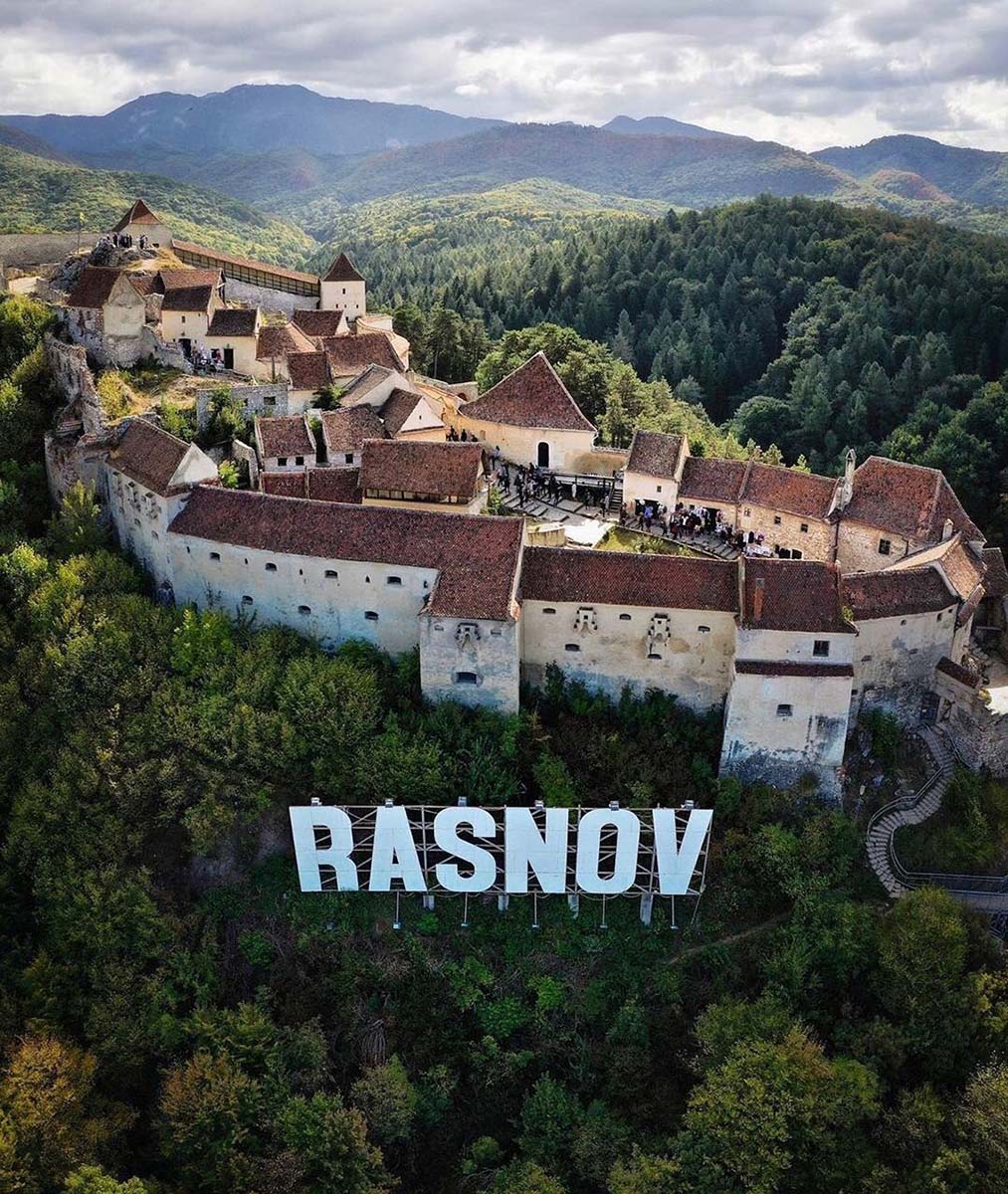
( Source: Urlaub in Rumanien )
But Râșnov is not just about its fortress. The town is also a gateway to adventure, with hiking trails leading to Râșnoava Gorge and nearby mountain routes that thrill both nature enthusiasts and adrenaline seekers.
A visit to Râșnov is more than a history lesson—it’s an experience where the ingenuity of medieval communities meets the wild beauty of the Carpathians, offering travelers a journey through time framed by spectacular landscapes.
3. Făgăraș – The Fortress That Shaped Transylvania’s History
At the foot of the majestic Făgăraș Mountains, in a spectacular natural setting, lies the town of Făgăraș—home to one of Romania’s most imposing strongholds: Făgăraș Fortress. Built in the 14th century as a defensive outpost to protect Transylvania from invasions, the fortress grew in size and strength over the centuries, becoming one of the largest and best-preserved medieval constructions in Eastern Europe.

( Source: Romania Dacia )
Surrounded by a wide water moat and reinforced with massive walls and bastions, the fortress exudes both grandeur and invincibility. Yet its role was not limited to defense. Făgăraș Fortress also served as the residence of prominent voivodes and princes of Transylvania, including Michael the Brave, who hosted his family here after achieving the first union of the Romanian Principalities in 1600.
Beyond the fortress itself, the town of Făgăraș is worth discovering for its peaceful atmosphere, its proximity to the mountains, and its role as a gateway to the spectacular alpine trails of the Făgăraș range. With sweeping landscapes and centuries of history, the town offers visitors both a chance to reflect on the past and a perfect base for outdoor adventures.

( Source: G4 Media )
Today, Făgăraș Fortress is regarded as one of the best-preserved medieval fortresses in Europe and a symbol of Romanian resilience and cultural continuity. A visit here is a journey through time, where every hall and every wall has a story to tell. Inside, the fortress hosts a museum with impressive collections of weapons, historical documents, medieval artifacts, and traditional costumes. Visitors can wander through vaulted chambers and explore exhibitions that highlight the strategic importance of the fortress in Transylvania’s history.
Adding a darker layer to its past, Făgăraș Fortress also served as a political prison in the 18th century and later under the communist regime—an episode that deepens both the drama and the significance of a visit.
4. Bran – The Castle of Legends and Gateway to Transylvania
Few places in Romania have stirred as much international curiosity and fascination as Bran, thanks to its iconic castle rising dramatically on a rocky cliff at the edge of the Rucăr–Bran Pass. Built in the 14th century, Bran Castle was originally conceived as a military fortress, guarding the strategic passage between Transylvania and Wallachia.
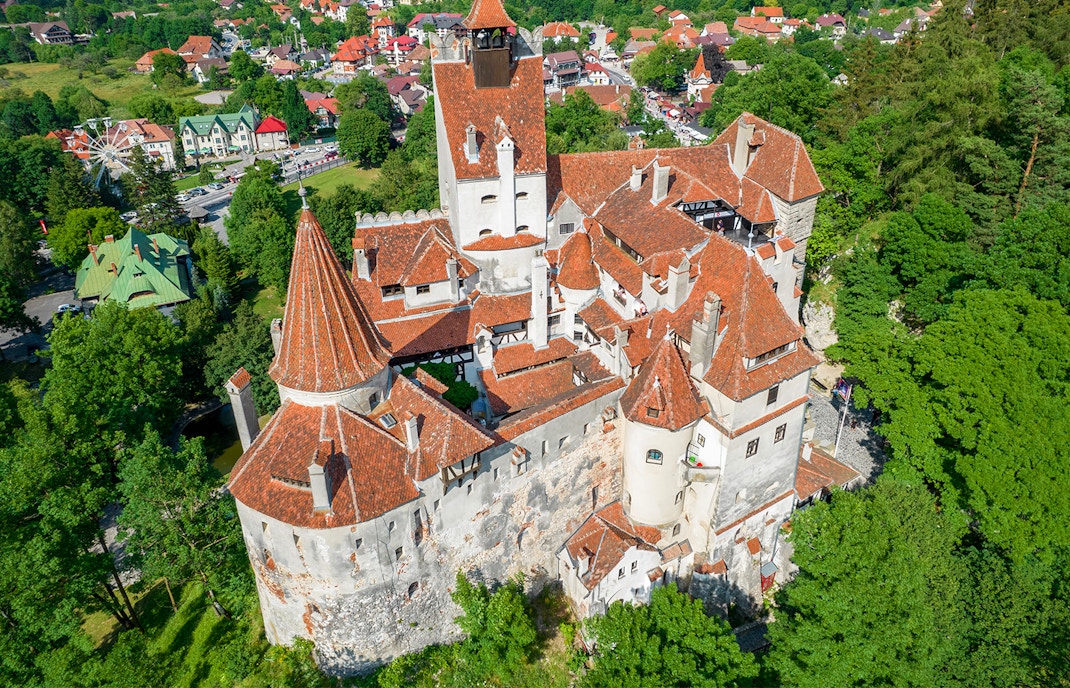
( Source: Bran Castle Tickets)
Over the centuries, the castle served multiple purposes: a customs post, a defensive stronghold, a royal residence, and, more recently, a museum. In the interwar period, Queen Marie of Romania transformed Bran Castle into a comfortable royal residence, redecorating it with great care and elegance.
Its global fame, however, is largely tied to the legend of Dracula, the fictional character created by Irish writer Bram Stoker. Although Vlad Țepeș—the Wallachian ruler who inspired the myth—never lived here, his name and image have long been associated with the castle due to its Gothic appearance and dramatic setting. This fusion of fact and fiction has made Bran one of Romania’s most visited tourist attractions.
But Bran Castle enchants not only through its legends, but also through its authentic beauty. Medieval-style rooms, narrow corridors, and winding staircases create a unique atmosphere, while the museum inside showcases collections of weapons, furniture, and decorative art. Outside, the castle’s courtyard and gardens provide a perfect setting for walks, with sweeping views of the Bucegi and Piatra Craiului mountains.
The village of Bran itself completes the experience. Traditional markets, where local artisans sell their crafts, add authenticity to a visit, while the regional gastronomy—from artisanal cheeses to smoked meats—offers a true taste of local life.
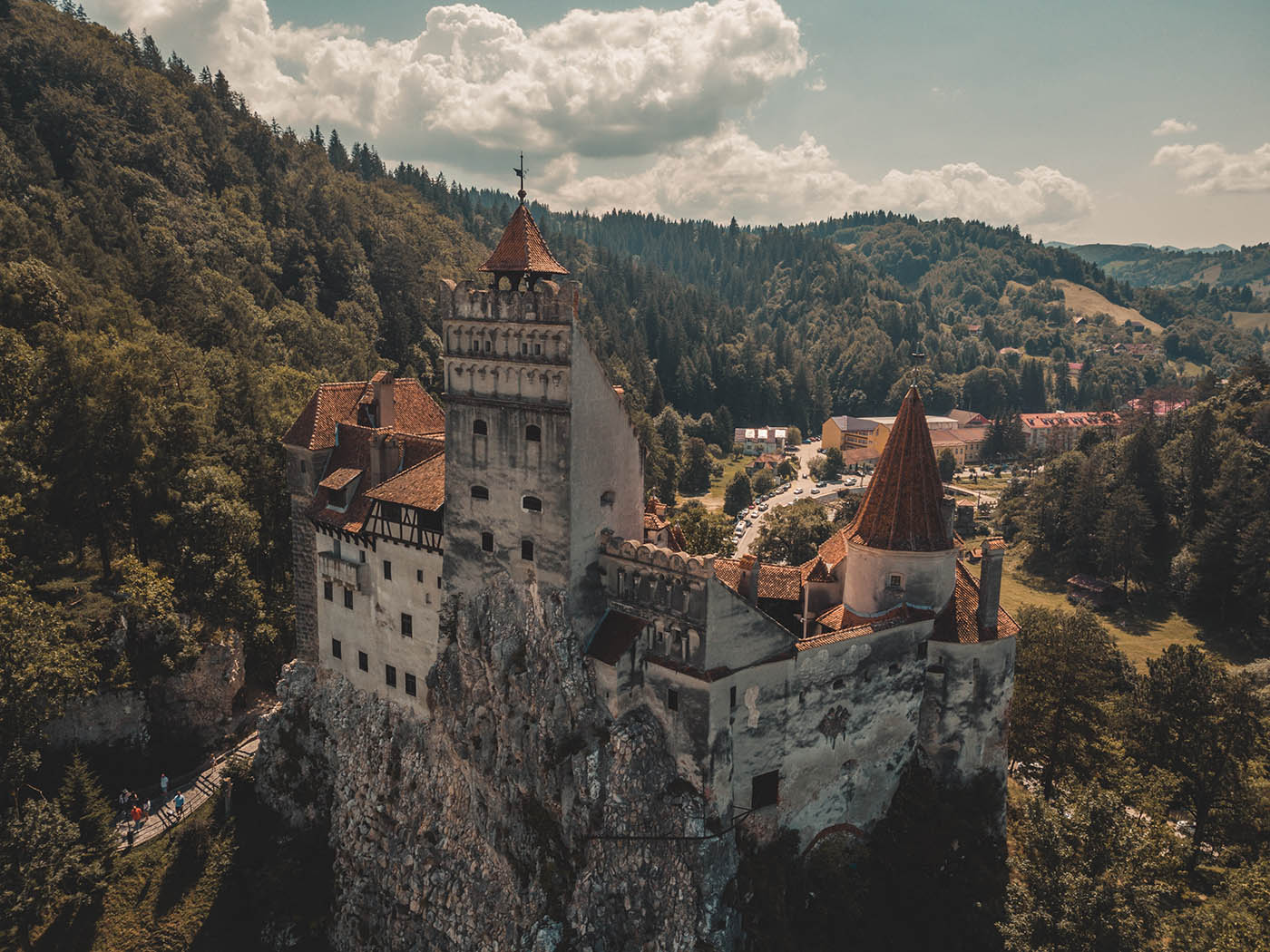
( source: Discover Brasov )
Today, Bran is more than just a castle. It is a symbol of Romania, a place where real history intertwines with myth, allowing visitors to experience both the thrill of legend and the timeless charm of Transylvania.
Conclusion
Brașov County is more than just a tourist destination—it is a journey into the history, culture, and legends that have shaped Transylvania over the centuries. From the authentic tranquility of Viscri, where Saxon traditions remain intact, to the imposing fortress of Râșnov built to protect local communities, from the grandeur of Făgăraș Fortress to the legendary allure of Bran Castle, each place tells a unique and captivating story.
These destinations are not merely tourist attractions, but powerful symbols of Romanian identity, each playing its part in preserving cultural heritage and writing the nation’s history. Visiting them means discovering not only stone monuments and ancient walls, but also the living spirit of the communities that built and safeguarded them.
Whether you are passionate about history, fascinated by legends, or simply in search of fairytale places, Brașov County welcomes you with open arms. It is a land where past and present meet in harmony, and where every visit becomes an unforgettable experience.