Events
Seven Tourism Trends That Will Dominate 2025
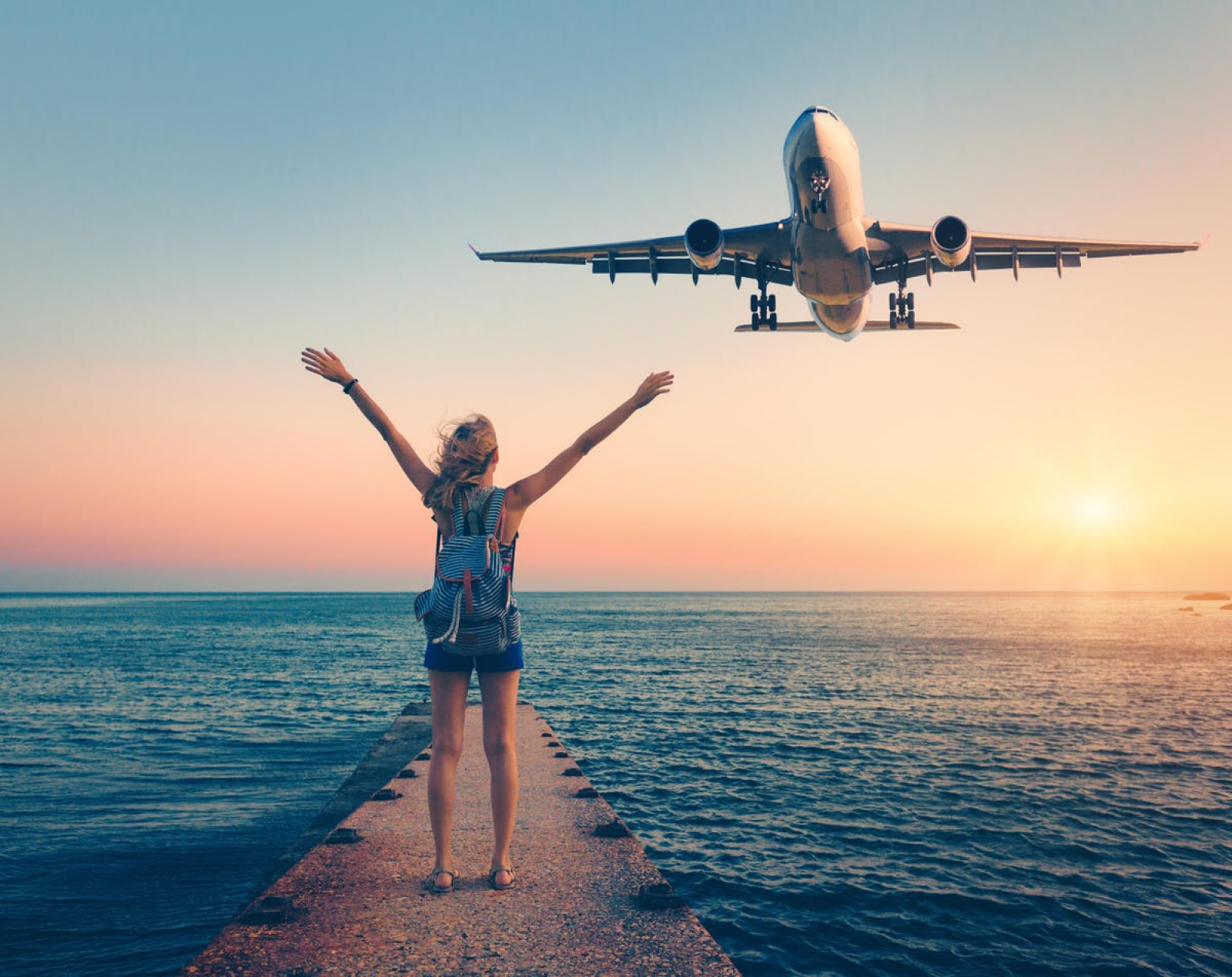
One of the most intriguing directions is nocturnal tourism, a form of exploration that is steadily gaining ground. Visitors are drawn to the charm of cities after sunset, to moonlit guided tours, or to cultural events held exclusively at night — from open museums to nature walks with specialized guides.
At the same time, technology is becoming an essential ally for any modern traveler. Artificial intelligence is already widely used to suggest personalized destinations, create itineraries based on individual interests, and make faster, more efficient bookings. Chatbots, voice assistants, and smart apps can plan an entire vacation in just minutes, offering real-time recommendations and solutions tailored to your travel style.
On the other end of the spectrum, many travelers are choosing to completely disconnect. Digital detox is no longer just a trend — it's a necessity for those looking to escape the noise of daily life. Signal-free resorts, remote cabins, and mindfulness retreats are favored by those seeking a genuine break from screens and notifications, in favor of reconnecting with themselves and nature.
In this article, we present seven key trends that will dominate the travel industry in 2025. Whether you're passionate about technology, adventure, or holidays, these tendencies will help you understand better what's coming next and inspire you to plan your vacations in a more mindful, fulfilling, and intentional way.
1. Nostalgic Travel – A Return to the Simplicity of the Past
In an increasingly digital and fast-paced world, many travelers feel the need to return to a simpler, more authentic time. This has given rise to nostalgic tourism, a growing trend that brings childhood memories, retro aesthetics, and traditional experiences to the forefront.

(source: CN Traveller)
From staying in rustic guesthouses with solid wood furniture and décor inspired by the 1970s–80s, to vacations in villages where time seems to stand still, travelers are rediscovering the joy of simple things: home-cooked meals like “grandma used to make,” childhood yard games, or evenings spent without a phone — just stories shared by lamplight.
More and more travel agencies and hosts are focusing on this type of experience: rides on vintage trains along scenic routes, summer camps for adults inspired by the ’90s, or themed trips to places that evoke old movies, TV shows, or cultural phenomena from past decades.
This trend is more than just an escape — it’s an emotional reconnection with one’s own past and with the simple values that bring peace. In a hyperconnected present, nostalgic travel becomes a gentle yet profound form of therapy.
2. Rediscovering Home – Local Tourism Returns to the Spotlight
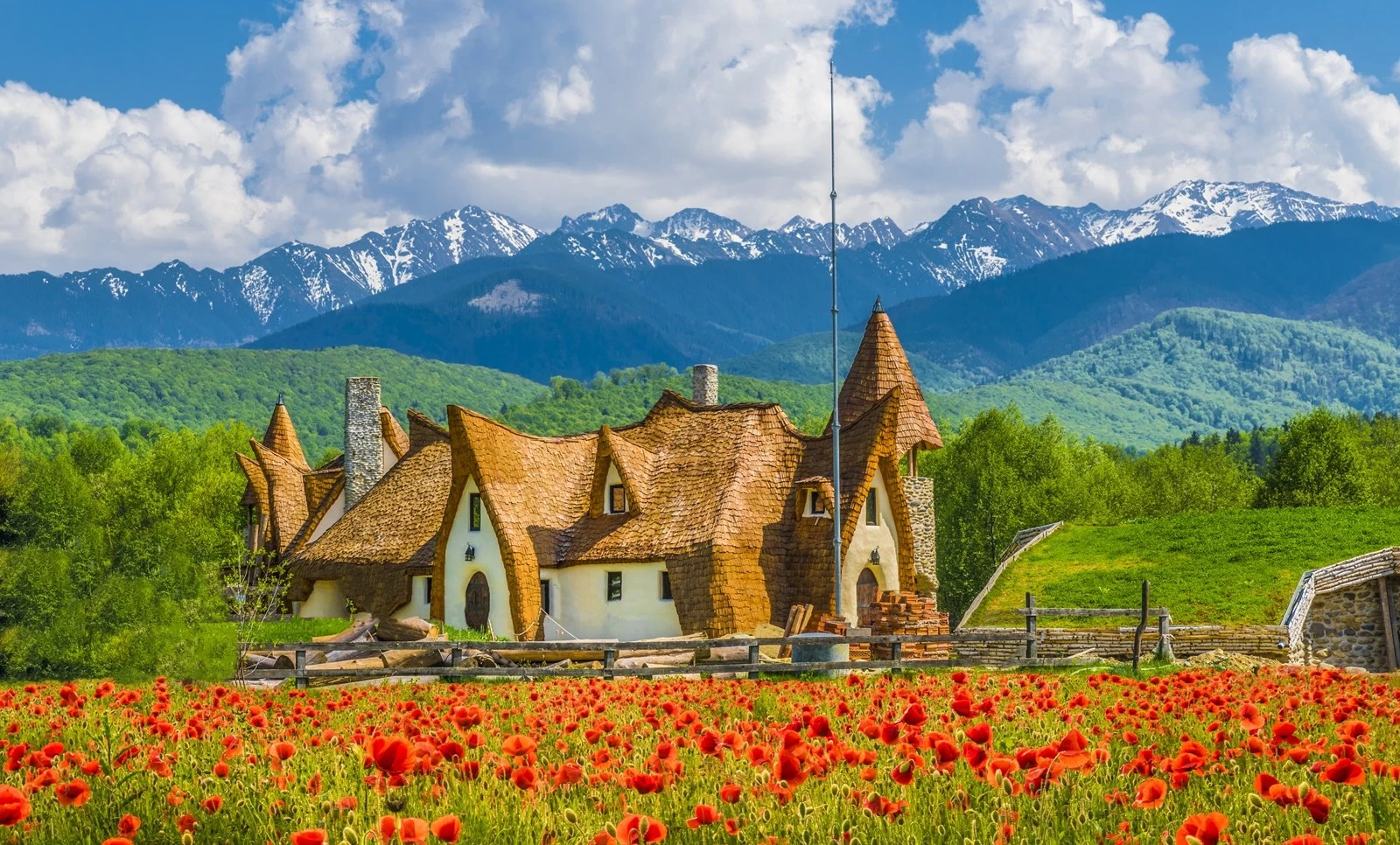
After years of dreaming about exotic destinations and long-haul flights, 2025 marks a strong comeback for local tourism. Driven by a desire for sustainability, more affordable costs, and a deeper understanding of one’s own culture, more and more people are choosing to explore places close to home — but with a fresh perspective.
(source: TravLocals)
This trend comes hand in hand with a reevaluation of authentic values. Traditional villages, small historic towns, mountain trails, and lesser-known natural areas are becoming true rediscovered treasures. Local tourism is no longer seen as a “compromise,” but rather as a conscious choice — meaningful and profound.
In Romania, more and more initiatives are highlighting internal gems: gastronomic tours through Maramureș, traditional craft workshops in Ținutul Pădurenilor, cycling trips through rural Transylvania, or weekends spent in eco-huts in the Danube Delta. Moreover, the focus is shifting to impactful experiences: visits to local farms, cooking with locals, and storytelling by the fireplace.
At its core, local tourism is a way to reconnect with our roots. It’s an invitation to become a tourist in your own country, with fresh eyes and renewed curiosity. And perhaps the most beautiful part: it teaches us that we don’t need to go far to be amazed — sometimes, the miracle is right nearby.
3. Magic After Sunset – Nocturnal Tourism Gains Ground
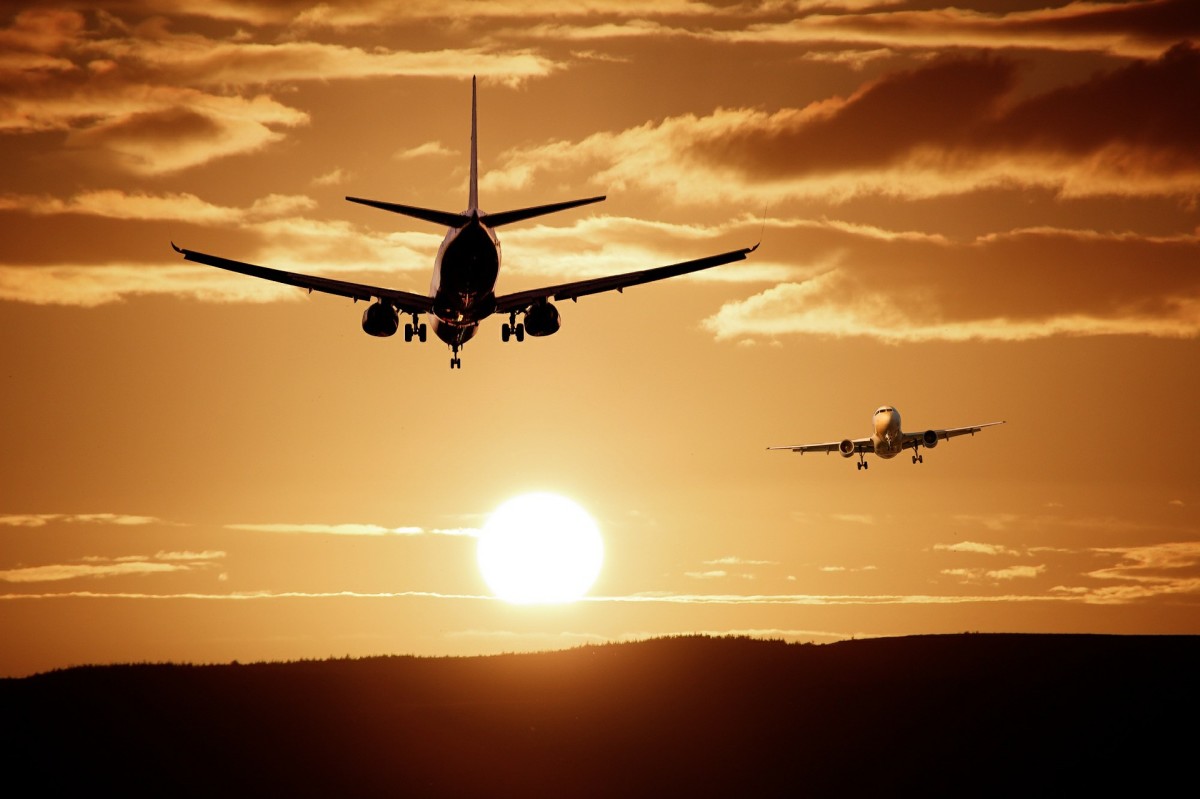
Travel no longer ends when the sun goes down. In 2025, more and more travelers are drawn to nocturnal tourism — a form of exploration that offers completely different perspectives on destinations, in a setting that is mysterious, peaceful, and often more authentic than during the day.
(source: HubPages)
From guided tours through historic cities by lantern light to nighttime hikes through forests, deserts, or nature reserves under a starlit sky, night travel is becoming a truly memorable experience. People are seeking to escape the crowds of mass tourism and enjoy intimate, almost dreamlike moments in places that may feel hectic or overly touristy during the day.
A growingly popular example is stargazing in areas with minimal light pollution — an activity known as astrotourism. Natural parks in Romania, such as those in the Apuseni Mountains or the Măcin Mountains, are beginning to offer such experiences, blending astronomy with the serenity of nature.
Museums and art galleries in major cities are also embracing “after hours” programs, offering nighttime visits accompanied by live music, tastings, or themed tours. This approach not only extends visiting hours but also creates a more intimate atmosphere, far from the usual daytime crowds.
Nocturnal tourism is not just about a different time of day — it’s a shift in perspective: it’s how we learn to rediscover the world while everyone else sleeps. And in the stillness of the night, places often tell their most beautiful stories.
4. Smart Vacations – How AI Is Transforming the Way We Travel
In 2025, artificial intelligence (AI) is no longer just a tool reserved for tech companies or science-fiction scenarios — it has become a trusted ally in vacation planning. Travelers around the world use AI to discover suitable destinations, create personalized itineraries, and make quick, informed decisions without spending hours searching the internet.

(source: Rezdy)
Modern apps and platforms can analyze user preferences in seconds — budget, travel style, cultural interests, or dietary needs — and propose complete itineraries, from plane tickets and accommodation to local restaurants and unique activities, all perfectly tailored to each traveler’s profile.
Conversational AI assistants have essentially become virtual travel agents available 24/7. They can instantly answer questions about visas, weather, transportation, or attractions, and even offer personalized advice based on real reviews and real-time data — such as “Avoid going to X right now; it’s unusually crowded,” or “This popular restaurant among travelers like you is just 10 minutes away.”
Additionally, some platforms use AI to optimize your daily vacation schedule so you don’t miss a thing, yet never feel overwhelmed — balancing relaxation time with exploration.
This trend brings not only efficiency but also a new kind of freedom: spontaneous, stress-free travel, where all the hard decisions are handled by technology that “knows you” better and better.
Of course, the magic of a vacation remains in the details and emotions — and AI becomes exactly what it should be: a quiet but brilliant guide that makes your journey clearer and more enjoyable.
5. Getaways for Two – Romantic Tourism, Reinvented
In 2025, romantic tourism goes beyond clichés like rose petals on pillows and candlelit dinners. Today’s couples seek more than spectacular settings: they want authentic connection, truly memorable intimate moments, and experiences that strengthen their relationship.
Getaways for two are transforming into journeys of reconnection — whether it’s a couple’s retreat in an isolated mountain cabin, a road trip with a camper van through countryside roads, or a slow travel vacation in a Mediterranean village where time flows more slowly. The focus shifts from “luxury” to “intimacy.”
Personalized experiences for couples are also becoming increasingly popular: partner yoga sessions, local cooking workshops, hiking routes designed to be enjoyed together, or surprise moments organized by hosts — like a private dinner in nature or an outdoor movie screening under the stars.
A new trend is relationship milestone tourism: more and more couples choose to celebrate their love by traveling — not only on Valentine’s Day or honeymoons, but also for “6-month anniversaries,” “first trips together,” or even “making up after a fight.” Vacation thus becomes the perfect setting for sincere emotions, reaffirmations, and new beginnings.
Romantic tourism in 2025 is less about décor and more about how you feel next to the other person. Quiet moments, attention to detail, and the conscious choice to spend quality time together turn every trip into a story — one that belongs only to you.
6. No Signal, No Stress – Digital Detox Becomes a New Luxury
In a world dominated by screens, notifications, and constant connectivity, more and more travelers are choosing the exact opposite: total disconnection. In 2025, digital detox becomes not just a choice, but a true necessity — a break from the digital chaos to regain inner balance.
Travelers are increasingly seeking places where there is no signal and Wi-Fi is deliberately absent. Isolated cabins, mindfulness retreats, yoga centers, eco-villages, and resorts in mountainous or island areas offer specially designed spaces for digital disconnection and human reconnection.

(source: Cnet)
Vacation packages that include voluntary bans on phone use, rooms without TVs, or even “device drop-off boxes” at the reception desk are becoming increasingly popular. Instead of compulsive scrolling, tourists are invited to read, take walks in nature, participate in creative activities, or simply… do nothing.
Digital detox also means reconnecting with oneself and those around us. Without filters, stories, or the pressure to document everything, the vacation gains a new depth: we remember what it’s like to live in the moment, fully present.
This trend is increasingly sought after by those exhausted by the fast pace of modern life — entrepreneurs, creatives, parents, as well as young people who feel the need for a break from the “always online” culture. In 2025, silence is not just a bonus, but becomes a precious luxury.
7. Mindful Travel – Sustainable Tourism Becomes the New Standard
As the climate crisis becomes increasingly present, travelers in 2025 can no longer ignore the impact of their choices on the planet. Thus, sustainable tourism is no longer a niche but a necessity — a conscious way to explore the world without depleting it.
This trend is reflected in concrete choices: many tourists opt for destinations closer to home, reducing long-haul flights. Others choose to offset their travel carbon footprint, travel by train, or use local and electric transportation.
At the same time, eco-friendly accommodations — guesthouses that use solar panels, serve local products, reduce plastic, and offer experiences that support communities — are preferred over chain hotels. In Romania and beyond, more and more regenerative tourism initiatives are emerging, which not only protect the environment but actively contribute to its restoration.
Modern travelers are increasingly attentive to the ethics behind their vacations: they prefer local guides, choose handcrafted products instead of mass-produced souvenirs, and avoid mass tourism that degrades ecosystems or communities.
Sustainable tourism is essentially a promise: that we will continue to explore the world — but in a way that respects its balance and beauty. It is a wise choice, but also a deeply emotional one, connecting us with the planet and the idea of shared responsibility.
The Traveler of the Future is Conscious, Curious, and Connected to the Essentials
The year 2025 brings a profound transformation in the way we travel. Beyond destinations and beautiful photos, vacations become personal experiences filled with meaning. Tourism is no longer about ticking off places but about living authentic moments, in harmony with personal values and the world we live in.
Whether we talk about childhood nostalgia, romantic getaways, digital detox, or AI-guided decisions, all these trends share a common denominator: the need for balance, presence, and belonging.
In the end, the traveler of the future does not run away from life — they seek to understand it better, step by step, place by place. And each journey becomes a lesson about the world, but also about oneself.