Travel Ideas
The Most Impressive Fortified Churches in Transylvania
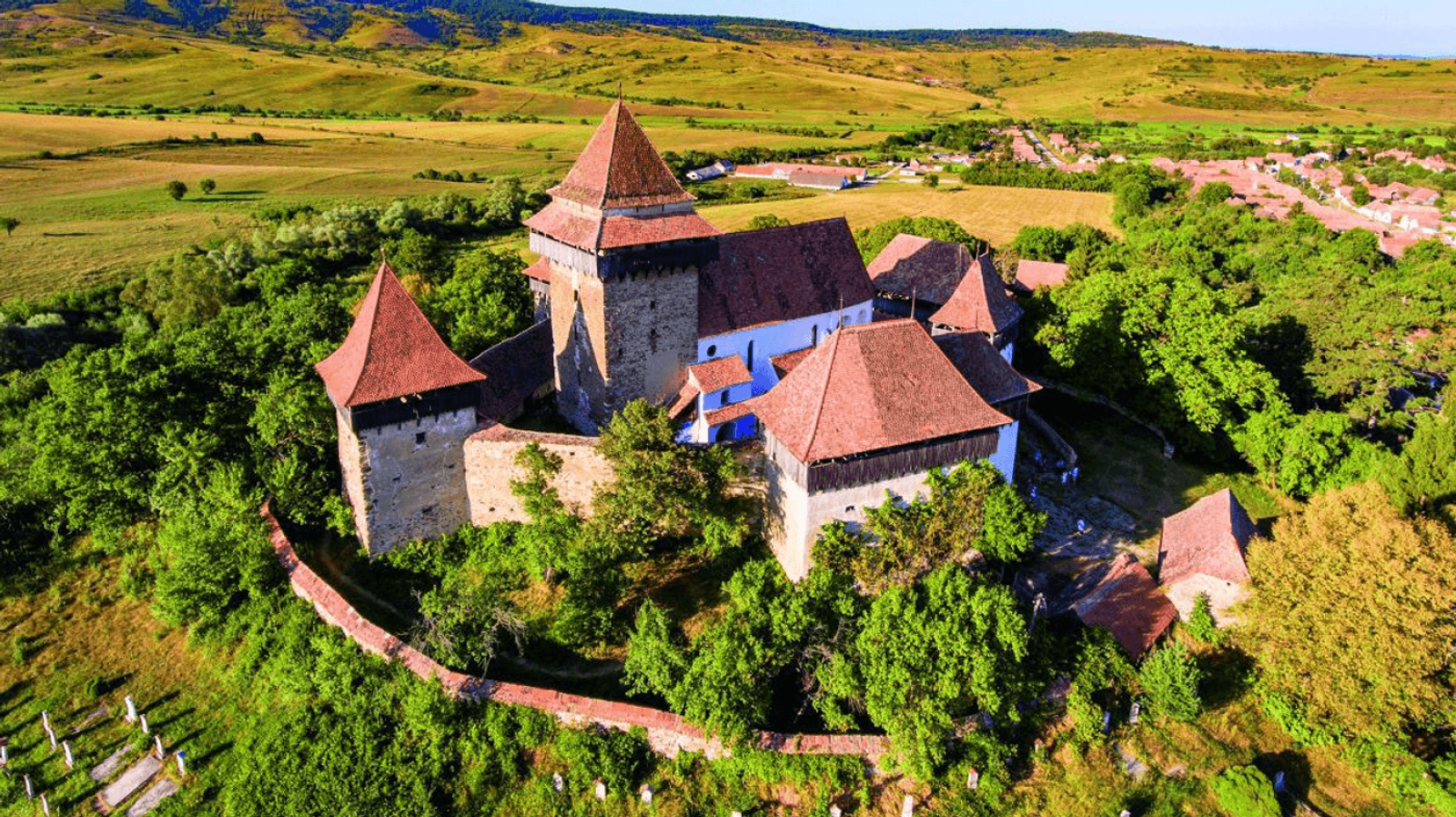
These structures, built hundreds of years ago in the heart of Saxon villages, stand as symbols of unity, resilience, and the faith of a community that knew how to defend its values.
During the Middle Ages, the inhabitants of these villages had to face invasions and unexpected attacks. Their ingenious solution was to transform the churches—the spiritual centers of the community—into true fortresses. Around the places of worship they built strong walls, defensive towers, and storage rooms for provisions, so they could withstand a siege. Thus, the place where people prayed also became a shelter, a refuge, and a symbol of solidarity.
Today, these fortified churches are silent witnesses of a fascinating history and, at the same time, living landmarks that preserve their authentic charm. Visiting them is not just a history lesson, but also a unique experience that takes you on a journey back in time, to an era when every stone, every architectural detail, and every tower had a clear purpose.
What makes them truly special is the fact that many have remained almost untouched over the centuries. Surrounded by peaceful villages, with colorful houses and cobblestone streets, these churches create the feeling that time has stood still. Their atmosphere is unique: the enveloping silence, the massive walls that seem to have resisted every storm, the old frescoes, and the Gothic or Renaissance details—all combine to create an experience that captivates you from the very first step.
It is no coincidence that UNESCO has included several of these fortified churches on the World Heritage List, recognizing their universal value and historical significance. They are not just stone monuments, but true bridges between past and present, between people and places.
Among the most impressive are the fortified churches of Biertan, Viscri, Saschiz, and Câlnic – each with its own story, each with distinct architecture and a unique role in the history of Transylvania.
- Biertan, once the seat of the Saxon bishopric, is one of the most imposing and best-preserved medieval fortifications in Transylvania.
- Viscri, a village that has gained international fame thanks in part to its connection with King Charles III, preserves one of the most picturesque and authentic fortified churches.
- Saschiz, with its impressive tower and Gothic architecture, remains a landmark of the region and a destination not to be missed.
- Câlnic, with a past that combines defensive function with architectural beauty, offers a unique perspective on how medieval communities protected their lives and faith.
Visiting these churches is not only a history lesson, but also a spiritual and cultural journey. They invite you to reflect on the passing of time, on how people once built in harmony with nature, and on the ways traditions have endured up to the present day.
For photography enthusiasts, these places provide spectacular scenes: towers rising above the villages, massive walls surrounded by greenery, and simple yet striking details such as carved wooden gates or Gothic windows casting dramatic light inside. At the same time, for culture lovers, each church comes with stories, legends, and traditions that perfectly complement the travel experience.
In a hurried world, these fortified churches remain an invitation to pause, to discover, and to reconnect with the essence of place. They are not just tourist attractions, but true symbols of a Transylvania that continues to inspire through its authenticity and beauty.
Let’s embark together on a journey through the most impressive fortified churches of Transylvania and uncover the stories that bring their centuries-old walls to life.
Biertan – The Episcopal Fortress in the Heart of Transylvania
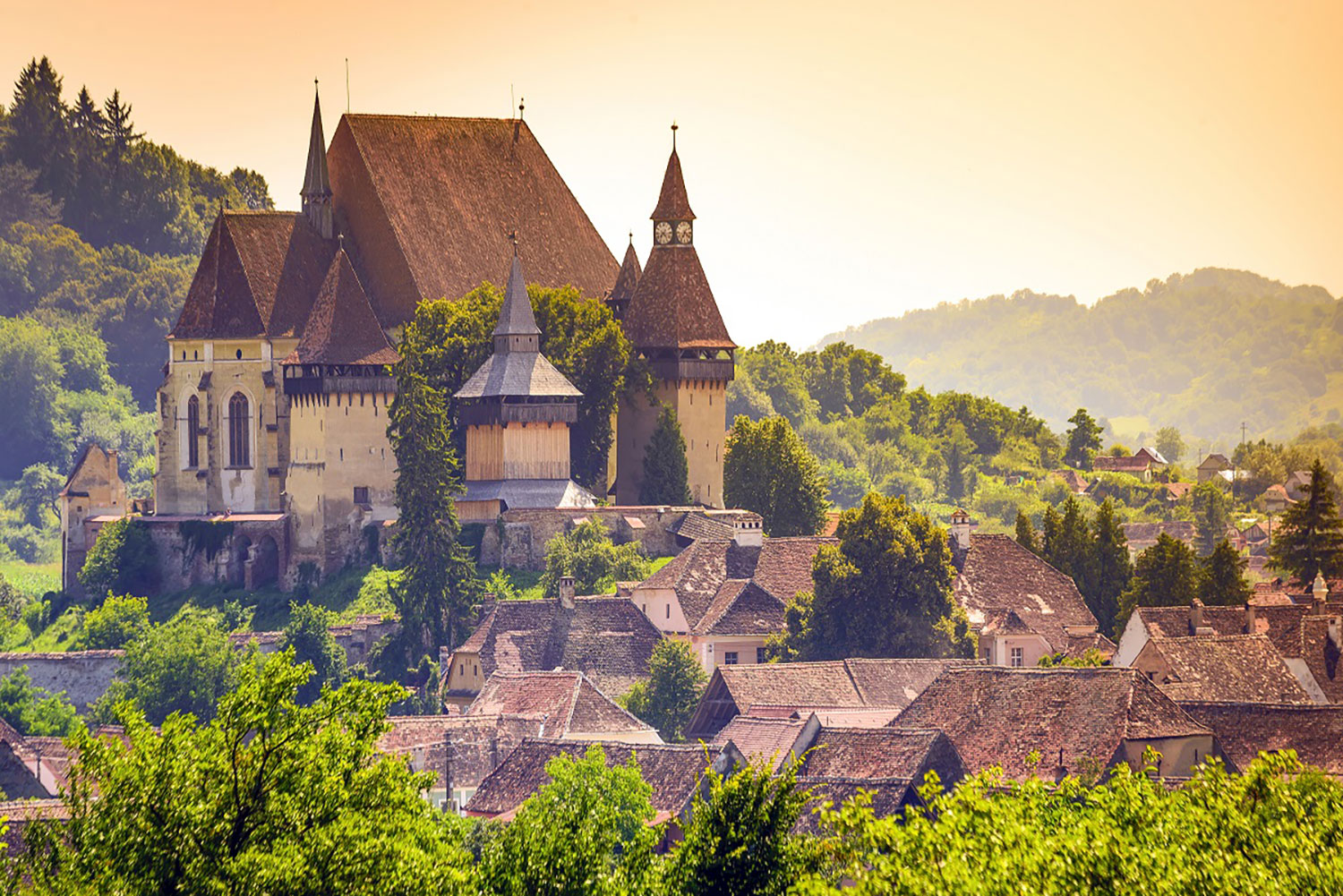
Biertan is, without a doubt, one of the most imposing and renowned fortified churches in Transylvania. Nestled in a picturesque valley in Sibiu County, the village preserves an authentic medieval atmosphere, while its church, surrounded by massive defensive walls, dominates the entire settlement as a symbol of faith and the resilience of the Saxon community.
(Source: Romanian Tourism )
Why Visit Biertan?
Between the 16th and 19th centuries, Biertan was the seat of the Saxon bishopric, a role that gave it a special status and a remarkably elaborate architecture. The church, built in the Late Gothic style, is surrounded by three concentric defensive walls and massive towers, creating the impression of a small fortress at the heart of the village. Its monumentality, combined with its architectural details, explains why the fortified church of Biertan is today listed as a UNESCO World Heritage Site.
One of the most fascinating features is the sacristy door, famous for its ingenious 16th-century locking mechanism that secures 19 points simultaneously. Considered a true masterpiece of its time, this door remains one of the visitors’ favorite attractions.
Inside the church, you’ll be impressed by the polyptych altar, one of the largest in Transylvania, composed of 28 painted panels depicting biblical scenes. The solemn atmosphere and the silence that fills the interior perfectly complete the visiting experience.
What to Do Around Biertan?
A trip to Biertan is not just about the fortified church. The village itself is a particularly charming destination, with cobblestone streets, colorful Saxon houses, and rolling hills that invite you to take leisurely walks. In autumn, the vineyards and orchards surrounding the settlement turn into a spectacular palette of colors, transforming the village into a fairytale destination.
If you want to explore further, you can visit other fortified churches nearby—such as Richiș or Copșa Mare—each with its own personality and story. The proximity to Mediaș and Sighișoara also makes Biertan an excellent starting point for discovering the entire Saxon region of Transylvania.
Where to Stay?
For an authentic experience, we recommend choosing traditional guesthouses in Biertan or in the surrounding villages. Many of them have been restored in the Saxon style and give you the chance to enjoy the peaceful atmosphere of the Transylvanian countryside, taste local gastronomy, and experience the warm hospitality of the hosts.
Viscri – The Saxon Village That Won the World
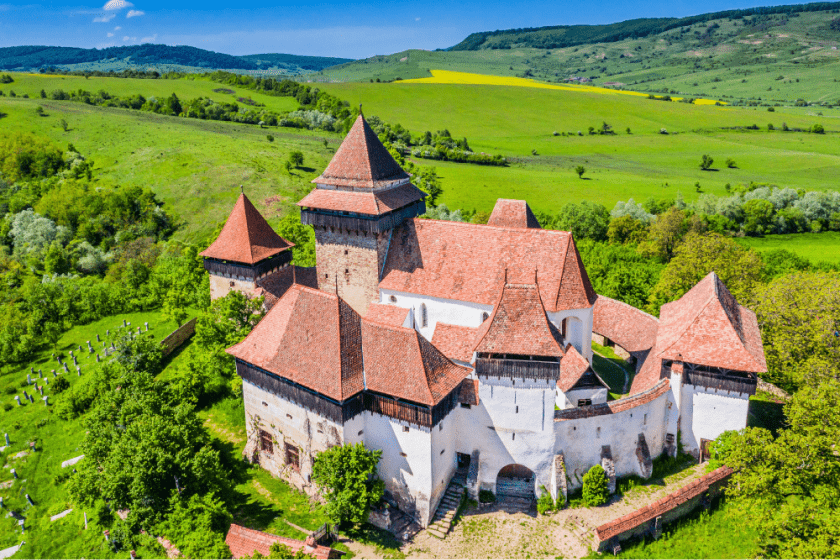
Viscri is undoubtedly one of the best-known Saxon villages in Transylvania, thanks to its UNESCO-listed fortified church and the authentic atmosphere that has turned it into a unique destination on Romania’s tourism map. Located in Brașov County, the village gained international fame after King Charles III of the United Kingdom (then Prince of Wales) visited and purchased a house here, promoting the beauty and traditions of the place.
(Source: Valea Verde Retreat)
Why Visit Viscri?
The fortified church of Viscri, dating back to the 12th century, is one of the best-preserved constructions of its kind in Transylvania. Originally built on Roman foundations and expanded over the centuries, the fortress impresses with the simplicity and sturdiness of its walls. Inside, you’ll find a modest yet charming church, where the hand-painted furniture and the quiet atmosphere make you feel as if time has stood still.
The defensive tower offers a spectacular view over the village and the surrounding hills, while walking along the walls connects you with centuries of history and tradition. Viscri is more than a monument—it is a living experience of how the Saxon communities defended their faith and culture.
What to Do Around Viscri?
A visit to Viscri is not just about the church. The village itself is an open-air museum, with traditional Saxon houses, cobbled streets, and homesteads that still keep alive old crafts such as blacksmithing and weaving. Locals can show you how traditional bread is baked in clay ovens—an authentic experience you won’t soon forget.
In the surrounding area, you can go hiking on the hills that frame the village, admiring fairytale-like landscapes—especially in autumn, when nature’s colors blend harmoniously with the architecture of the village. The region is also part of the “Green Road” eco-tourism trail, which connects several Saxon villages, making it ideal for cycling enthusiasts or those who love long walks in nature.
Where to Stay?
Viscri is renowned for its traditional guesthouses, set in old Saxon farmsteads. Here you’ll find rooms simply but tastefully decorated, authentic food prepared with local ingredients, and an atmosphere that makes you feel as if you’ve stepped back in time. For those seeking peace, authenticity, and a true escape from the hustle and bustle of city life, Viscri is the perfect choice.
Saschiz – The Fortress and Fortified Church in the Heart of Transylvania
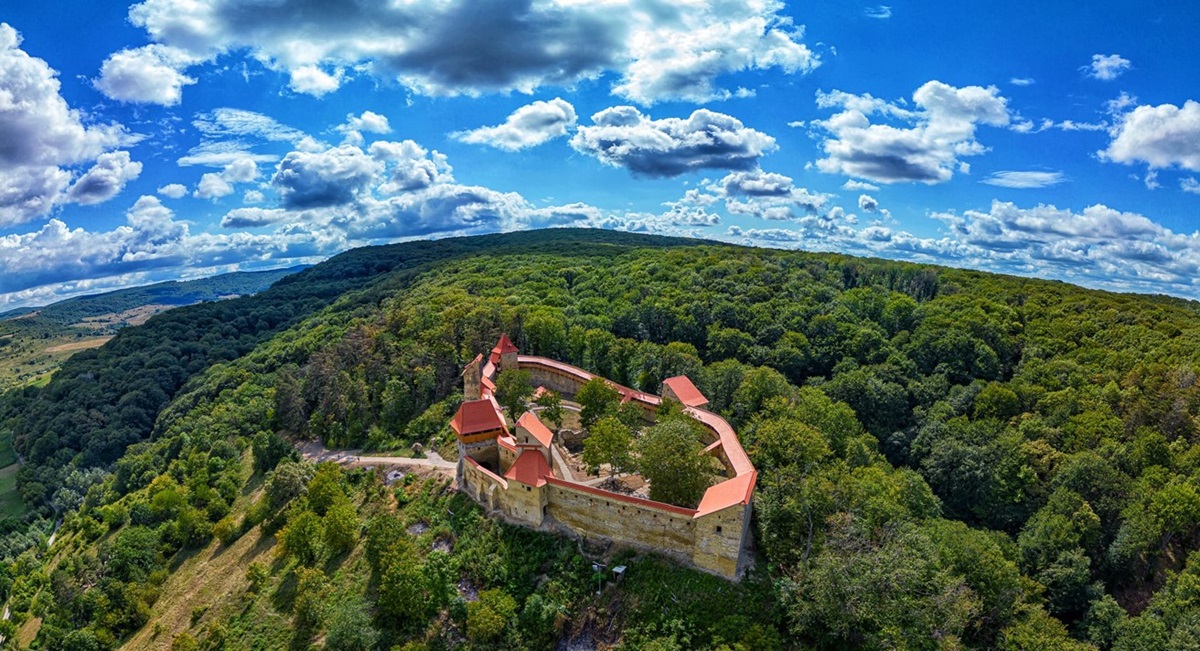
Saschiz, located in Mureș County, is a Saxon settlement full of history and charm, best known for its impressive fortified church, included on the UNESCO World Heritage list. Just like Viscri and Biertan, this place preserves the authenticity of the Saxon communities, while the church and the nearby fortress ruins tell stories of courage, faith, and resilience.
(Source: Romania Tourism)
Why Visit Saschiz?
Built in the 15th century, the fortified church of Saschiz stands out for its impressive size and Gothic architecture, being considered one of the largest Saxon churches in Transylvania. Its massive tower, inspired by the Clock Tower in Sighișoara, dominates the entire village and has become a true emblem of the region.
Inside, the church surprises visitors with its sobriety and simple beauty, featuring Gothic details and traditional furnishings. The fortifications surrounding the place of worship highlight how crucial community defense was in the face of invasions.
Just a few kilometers from the church lie the ruins of the Peasant Fortress, built on a high hill. Although its walls are partially ruined today, the atmosphere there is unique, offering spectacular views over the village and the surrounding hills.
What to Do in Saschiz and the Surroundings?
Beyond visiting the church and fortress, Saschiz charms with its local traditions. The village is famous for its hand-painted pottery, featuring traditional blue designs reminiscent of Delftware but with a unique Transylvanian twist. Visitors can attend craft workshops and purchase authentic items, perfect as souvenirs.
Saschiz is also close to Sighișoara, making it easy to plan a day trip that includes both destinations. The area is ideal for hiking or cycling, with routes between Saxon villages passing through picturesque landscapes, rolling hills, and forests that turn spectacular shades of color in early autumn.
Where to Stay?
In Saschiz, you’ll find family-run guesthouses and carefully renovated inns that preserve Saxon charm and offer traditional local dishes. It’s the perfect place to experience Transylvanian hospitality and spend a few peaceful days away from the bustle of big cities.
Câlnic – The Saxon Fortress Transformed into a Cultural Venue
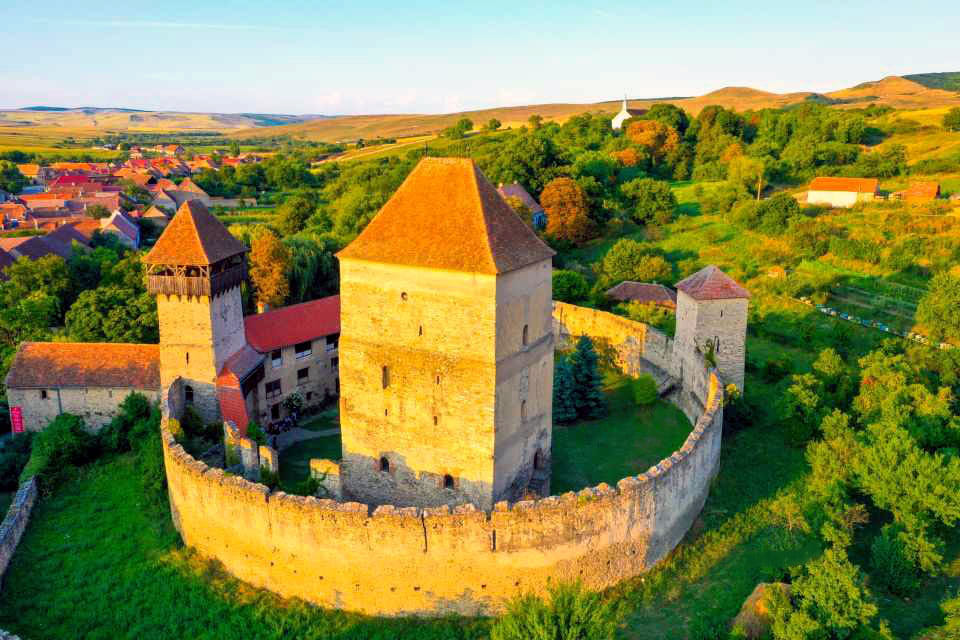
Câlnic, a small village in Alba County, hides one of the best-preserved Saxon fortresses in Transylvania, listed as a UNESCO World Heritage Site. Unlike other fortresses that served primarily defensive purposes, Câlnic Fortress was originally a noble residence, giving it a unique character and a distinct elegance.
(Source: Stiri Sebes)
Why Visit Câlnic?
Built in the 13th century, the fortress was originally constructed by a Saxon count and later transformed into a strong fortification by the local community to withstand attacks. Its thick walls, defensive towers, and well-preserved inner courtyard create a unique atmosphere that transports you straight into the Middle Ages.
Today, Câlnic Fortress is not only a historical monument but also an active cultural center, hosting exhibitions, concerts, and various events that bring Transylvanian art and traditions to life. Visitors can explore the towers, inner courtyard, restored buildings, and the museum showcasing medieval artifacts and ethnographic pieces from the region.
What to Do in Câlnic and the Surroundings?
Beyond visiting the fortress, Câlnic offers an authentic rural experience. The area is known for its picturesque landscapes and tranquil atmosphere, perfect for a relaxing walk. If you have time, it’s worth exploring the nearby Saxon villages or taking a trip to Sebeș or Alba Iulia, two cities rich in history.
Another fascinating aspect is the fortress’s connection to wine traditions, as its cellars were historically used to store barrels. It’s no coincidence that the region remains known today for its local wines.
Where to Stay?
Near the fortress, you’ll find guesthouses and inns that preserve the Saxon atmosphere and serve traditional local dishes. For a more complete experience, you can stay in Alba Iulia, where there are more accommodation options and the chance to explore one of Romania’s most impressive star-shaped fortresses—Alba Carolina.
Conclusion
Biertan, Viscri, Saschiz, and Câlnic are not just historical monuments—they are true windows into a world where time seems to have stood still. These fortified churches tell stories of united communities, carefully preserved traditions, and the ingenuity of the Saxons, who managed to combine faith with the need for defense.
Visiting these places, you’ll discover not only impressive medieval architecture but also the tranquility of Transylvanian villages, the beauty of rural landscapes, and the hospitality of the locals. Each of these destinations offers the chance to experience authenticity, reconnect with history, and appreciate the values that shaped this unique region of Romania.
So, if you’re looking for a journey for the soul, where history, traditions, and nature intertwine harmoniously, the fortified churches of Transylvania are waiting to be discovered.