Top7
Top 7 reasons to visit Sighișoara this summer
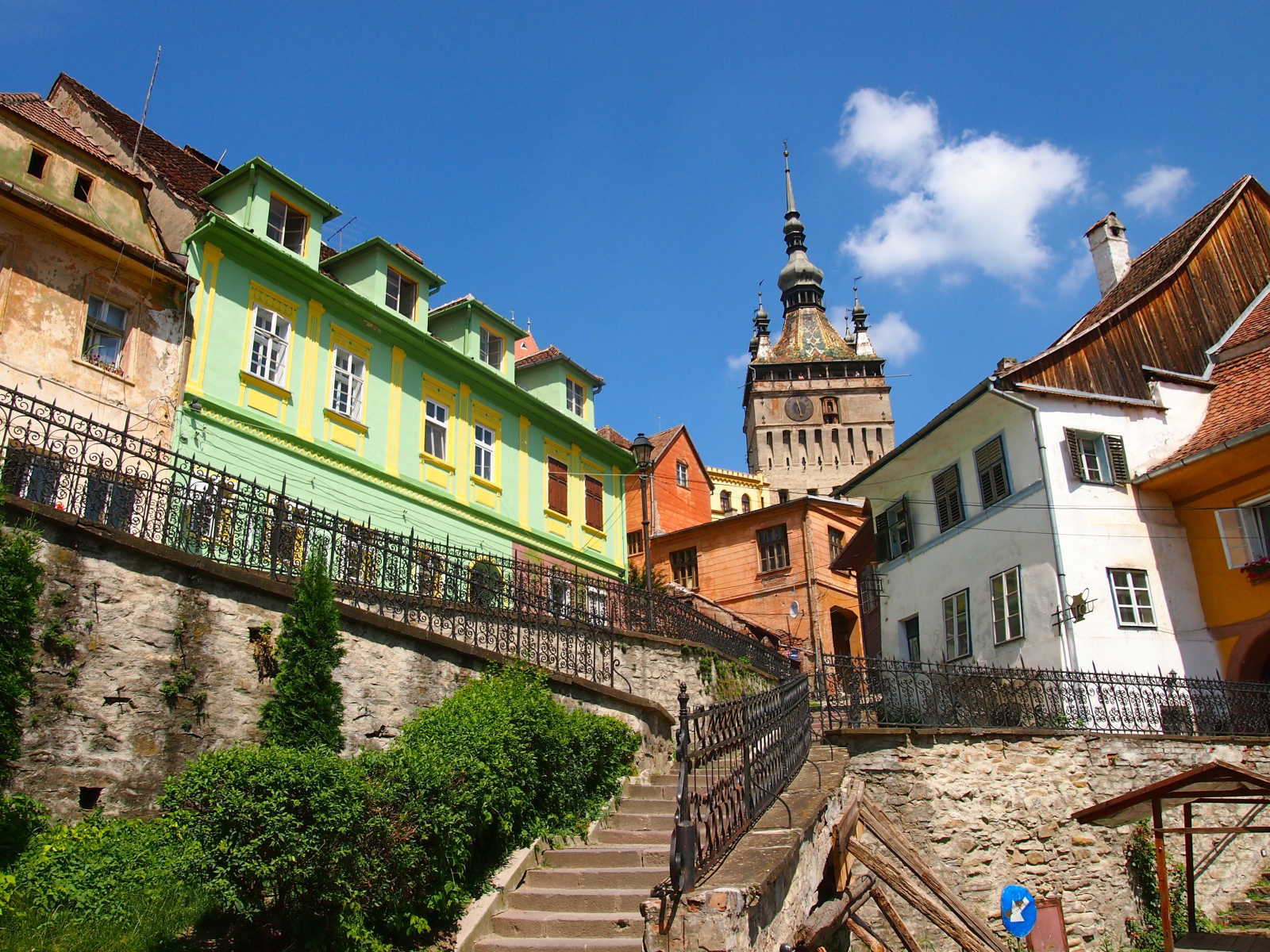
In summer, the charm of the city becomes even more intense. The buildings painted in warm shades, the cobblestone streets, the scent of linden trees and freshly ground coffee, curious tourists and relaxed locals create a warm, welcoming, and deeply inspiring atmosphere. It is the perfect place for those seeking more than just a vacation – an experience.
Sighișoara is not just a weekend destination, but a place where time seems to have stood still without losing its freshness. The town grew around a fortified citadel built by Saxon colonists in the 12th century, and every summer it transforms into an open stage for cultural festivals, outdoor concerts, craft workshops, and stories that come to life.

(Source: Budget Your Trip)
What will you find here? History, mystery, tradition, and plenty of atmosphere. You’ll climb wooden stairs covered with grapevines, admire towers named after guilds, watch the sunset from centuries-old walls, dine at terraces hidden in inner courtyards, and maybe even hear the sound of a violin floating over the town.
In this article, we’ll show you 7 clear reasons why Sighișoara deserves to be at the top of your summer destinations in 2025 — whether you’re seeking a romantic getaway, a city break with a medieval flair, or simply a healthy dose of culture and peace in a fairy-tale setting.
Stay with us and discover why summer in Sighișoara is unlike any other.
1. The History of Sighișoara – A Living Lesson from the Middle Ages
One of the most compelling reasons to visit Sighișoara is undoubtedly its rich history. The city is not just a well-preserved medieval setting, but a living page of history—continuously inhabited for centuries—that still breathes the slow and noble rhythm of the past.
Founded in the 12th century by Saxon settlers brought to Transylvania by the kings of Hungary, Sighișoara became an important center of craftsmanship, trade, and defense. Its citadel was gradually built with the help of various guilds, each constructing its own defense tower—many of which still stand today. The Clock Tower, the symbol of the city, dates back to the 14th century and now houses a fascinating history museum and a panoramic terrace from which you can admire the red rooftops of the entire citadel.
What makes Sighișoara truly unique is that it is the only inhabited medieval citadel in Eastern Europe that has preserved its original structure—with defensive walls, narrow cobbled streets, and old houses still in use. Walking through its alleys, you’ll feel how every corner holds a fragment of a story—whether it’s Vlad Dracul’s House, where Vlad the Impaler is said to have been born, or the Covered Staircase, built in the 17th century to help students reach their school during harsh winters.

(Source: Romanian Journeys)
Sighișoara offers more than just a “medieval postcard” – it offers a living atmosphere, where the walls speak, the towers tell stories, and every building has its own identity. It’s the ideal place for those who want to feel history firsthand, not just read about it in books.
So, if you’re looking for a holiday with deeper meaning, Sighișoara is the perfect place to step back in time—without leaving behind the comforts of the present.
2. Architecture – A City That Looks Like a Living Postcard:contrast(8):quality(75)/https://static4.libertatea.ro/wp-content/uploads/2023/05/weekend-romantic-in-romania-sighisoara-1024x684.jpg)
The old town is dominated by colorful buildings with Baroque, Gothic, and Renaissance façades, narrow windows, wooden shutters, and aged tile roofs in shades of red and orange. Architectural details are everywhere: old coats of arms, sculpted stone frames, arched gates, and medieval arcades that beg to be photographed from every angle.
A central element of this aesthetic is, of course, the Clock Tower, with its sharp roof and 17th-century mechanical clock whose wooden figurines move daily, capturing the attention of every visitor. The tower dominates the main square and can be seen from almost every corner of the citadel — serving as both a landmark and a symbol of the city.
But Sighișoara isn’t just about individual buildings — it’s about the aesthetic harmony of the whole. Every street, stairway, and inner courtyard seems carefully preserved as part of a living ensemble. For example:
- The Covered Staircase, built of wood in 1642, is a poetic and mysterious pathway leading to the church on the hill;
- The Stag House, with a sculpted deer on the corner of its façade, is a perfect example of noble Saxon architecture;
- The Monastery Church, built in Gothic style, impresses with its elegance and solemnity.
This architectural harmony is not just something to admire — it’s something to live: at a terrace overlooking the square, in a guesthouse housed in a centuries-old building, or simply on foot, with your camera in hand and eyes wide open.
3. Cultural diversity
One of the most fascinating aspects of Sighișoara is the deep-rooted cultural diversity that defines the city's identity. Here, at the crossroads of ancient trade routes in Transylvania, Saxons, Romanians, Hungarians, and Roma have lived together for centuries, each contributing their own traditions, customs, and crafts to shape a unique and vibrant community.
This diversity isn’t just a footnote in tourist guides – it’s a living, visible, and tangible feature of the city. You’ll find it in the languages spoken on the streets, the varied architecture, the local festivals and cuisine, and in the way residents honor their shared past.
A clear example is the presence of churches belonging to different denominations: Orthodox, Evangelical, Catholic, and Reformed. Each has its own story, architectural style, and dedicated community that cares for it. As you stroll through the citadel, you’ll also notice building and tower names that reflect the old Saxon guilds or Hungarian influences from the Middle Ages.
Sighișoara is also a place where traditional crafts have been carefully preserved: wood painting, pottery, weaving, and embroidery can be found in the small workshops and shops within the citadel. Often, you’ll even see local artisans at work, ready to explain their process and share part of their cultural heritage with you.
Cultural diversity is also reflected in the events held throughout the year – from the famous Medieval Festival and summer fairs to art exhibitions and classical or folk music concerts. In these settings, Sighișoara becomes a true cultural hub where identities don’t compete but complement each other beautifully.
4. Cultural Life – A Small Town with a Big Spirit
Although it’s a town of modest size, Sighișoara boasts a vibrant cultural life that becomes even more lively during the summer months. The cobbled streets, inner courtyards, and medieval squares turn into stages for art, music, theater, and traditional crafts, and the entire city pulses with creative energy.
Sighișoara is especially well known for two major cultural festivals that attract visitors from all over the country – and beyond:
The Medieval Festival of Sighișoara
Held annually at the end of July, the Medieval Festival is undoubtedly the city’s most iconic event. It is considered the oldest and largest festival of its kind in Romania, now celebrating its 30th edition. For several days, the fortress transforms into a true historical film set: troubadours, knights, noble ladies, artisans, and actors in period costumes bring every corner of the city to life. There are parades, street theater performances, duels, medieval music concerts, and craft fairs.

(Source: Romanian Travel Guide)
It’s a unique opportunity to experience history not just as a spectator, but as a participant, in an authentic and festive atmosphere.
The Intercultural Festival "ProEtnica"
Another key event is ProEtnica, the intercultural festival of Romania's ethnic communities. Usually held in August, this festival promotes dialogue between cultures and minorities through music, dance, gastronomy, and exhibitions. Over several days, the central stage of the citadel hosts performances by ensembles from all corners of the country — Hungarians, Saxons, Roma, Lipovans, Greeks, Ruthenians, Aromanians, and many others.
ProEtnica is not just a cultural event but a celebration of diversity and tolerance, in a city that has always lived in the spirit of coexistence and multiculturalism.
5. Local Gastronomy – Traditional Flavors in a Fairy-tale Setting
Sighișoara is not just a destination for history and architecture enthusiasts but also an ideal place for food lovers. The local cuisine reflects the multicultural blend that defines the city, combining Romanian, Saxon, and Hungarian influences into an authentic and delicious culinary experience.
A simple walk through the citadel will lead you past charming terraces, cellars converted into rustic restaurants, and intimate cafes overlooking historic buildings. Every corner seems designed not just to savor the food but also the atmosphere.
Among the dishes you shouldn’t miss are:
-
Transylvanian goulash, slowly cooked and served with polenta or homemade bread;
-
Stews with wild mushrooms and sour cream, typical for the hilly area around the city;
-
Pies with cheese, cabbage, or apples, inspired by Saxon and Romanian cuisine;
-
Homemade sausages and local smoked meats, perfect for a hearty lunch during a day of exploration.
For a more special experience, many restaurants in the citadel offer the possibility to dine in centuries-old houses, with restored furniture, vaulted ceilings, and small windows through which the sunlight discreetly filters in.
Besides traditional restaurants, Sighișoara also hosts modern cafés and bistros where you can enjoy an inspired brunch or an artisanal coffee with a view of the Clock Tower. Here, contemporary cuisine blends elegantly with the past without losing authenticity.
And for those with a sweet tooth, the confectioneries in the citadel offer German- and Austrian-inspired cakes, such as apple strudel, cakes with natural whipped cream, or pastries with walnuts and homemade jams.
6. Attractions near Sighișoara – discoveries that perfectly complement your vacation
Another strong reason to plan a trip to Sighișoara is its excellent location – the town lies in the heart of Transylvania and is surrounded by historic villages, medieval fortresses, and spectacular rural landscapes that can easily be explored on day trips.
Viscri – the authentic village that became internationally famous

(Source: Valea Verde Retreat)
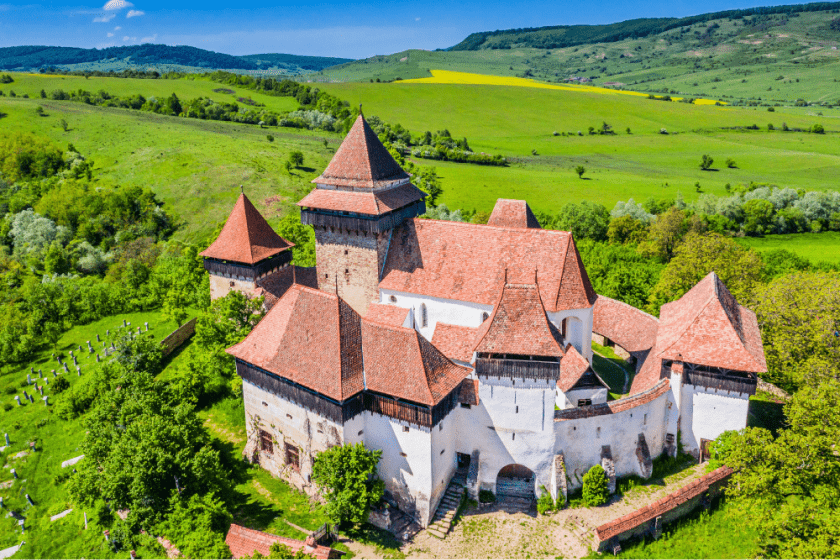
Just an hour’s drive from Sighișoara lies Viscri, one of the best-known Saxon villages in Romania, part of the UNESCO heritage. Here you will discover an impressive fortified church, carefully renovated Saxon houses, and a peaceful, almost timeless atmosphere. It’s the perfect place for a calm walk, a rustic dinner, or even a living history lesson.
Rupea Fortress – the fortress on the rock

(Source: Zig Zag prin Romania )
Located 50 km away, Rupea Fortress dominates the landscape from a steep rock, offering a superb view over the rolling hills of the region. Fully restored, the fortress allows you to explore the defensive walls, towers, and inner courtyards in an engaging tour for the whole family.
Saxon Villages of Țara Târnavelor
Near Sighișoara, you’ll also find other charming Saxon villages such as Biertan — with its imposing fortified church featuring a medieval locking system; Saschiz, with its tower reminiscent of the Clock Tower in Sighișoara; and Criț, a small idyllic village where traditions and tranquility remain intact.
The Hills of Transylvania
The area surrounding Sighișoara is also perfect for easy hikes, bike tours, or leisurely nature walks. Gentle hills, orchards, forests, and meadows full of wildflowers invite you to a slow, deep, and relaxing type of tourism.
7. A Relaxed Atmosphere and the Perfect Pace for a Summer City Break
In a hurried world where city breaks have become marathons of “checking off sights,” Sighișoara offers a rare and welcome alternative: a city that invites you to slow down, enjoy the moment, and truly savor your vacation. In summer, this place takes on a special aura — warm but not scorching, lively but never overwhelming.
The atmosphere within the citadel is calm, peaceful, and authentic. The noise of traffic is replaced by the sound of footsteps on cobblestones, live music drifts from the inner courtyards, and cozy cafés tucked in street corners become the perfect spot for a long break with a cold lemonade and a good book.
Unlike big cities, in Sighișoara you don’t have to rush from one museum to another or stand in endless queues. Here you can leisurely enjoy every corner of history, every view from the walls, every sunset seen from a hidden terrace. It’s the perfect place for a weekend getaway for two, a solo escape, or a stress-free mini vacation.
Even during festivals, the atmosphere remains friendly and intimate, without the suffocating tourist rush. People are open, the pace is slow, and the city gives you that rare feeling of being “home away from home.”
Why Choose Sighișoara for a Summer City Break?
Because here you don’t have to do much to feel everything. It’s a place where you can wander without a plan but always discover something beautiful. Where you can forget your worries without going far. And where your vacation truly becomes a state of mind.