Top7
TOP7: Tourist attractions to visit in Argeș County

We invite you to embark on a journey full of charm and discover the most remarkable places in Argeș County, this picturesque area. Here's our personal top list of the most captivating tourist attractions worth visiting in Argeș.
1. Poenari Fortress:
Begin your adventure in Argeș County with a visit to Poenari Fortress. Perched on a hilltop, the fortress will captivate you with its spectacular views and interesting history. It's the place where the legend of Vlad the Impaler comes to life. Here, you'll have the opportunity to climb the famous 1,480 steps to reach the top of the fortress and enjoy the impressive panorama.
The location is situated on the top of Cetăţuia Mountain, in a naturally fortified setting, at a distance of 25 km from the city of Curtea de Argeș.
However, make sure to check in advance if it can be visited, as of November 8, 2021, it has entered an extensive restoration process. The good news is that once the work is completed, tourism in Romania will definitely benefit.
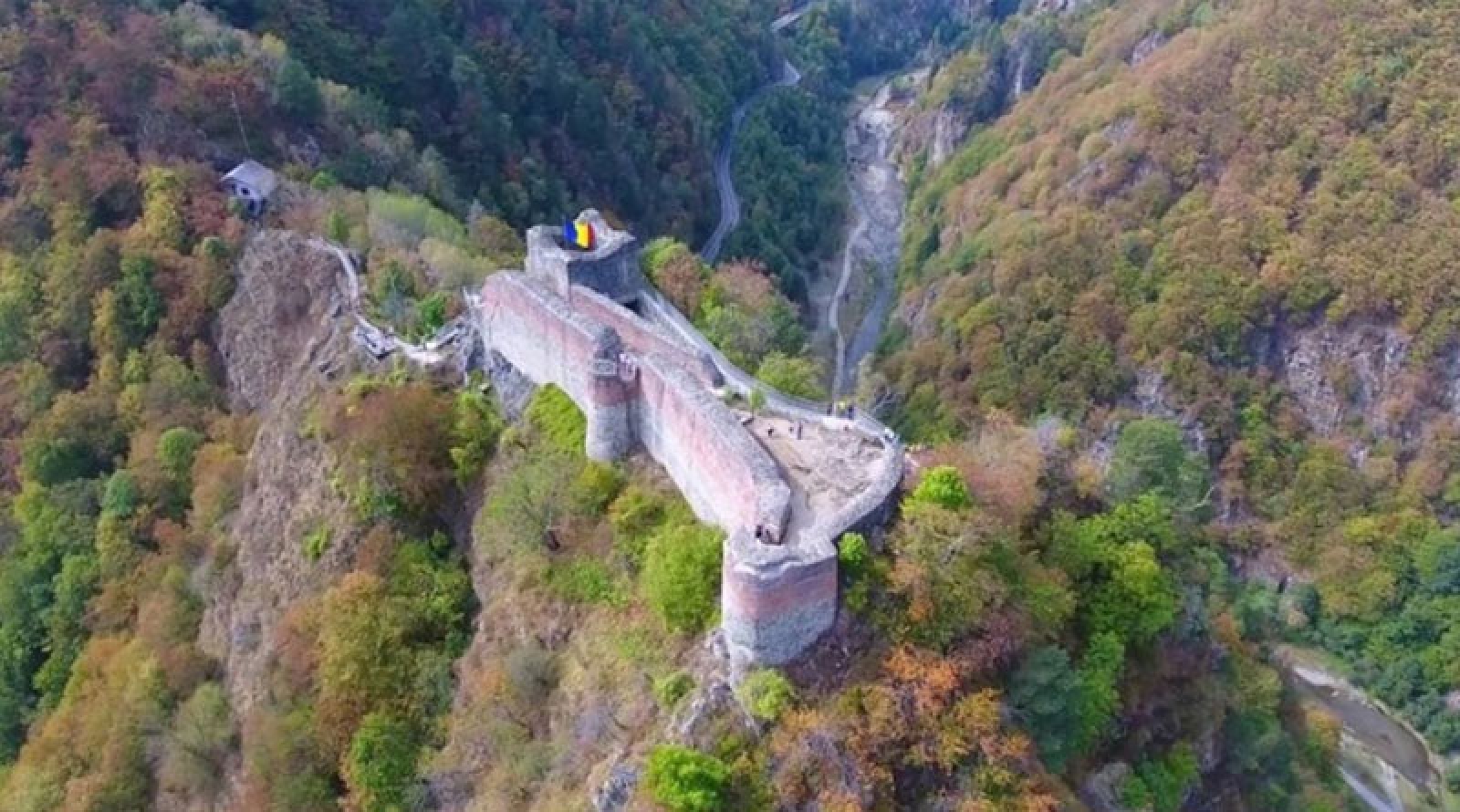
Foto: cetateapoenari.ro
2. Curtea de Argeș Monastery
An obligatory stop in Argeș County is Curtea de Argeș Monastery. This jewel of Romanian architecture will enchant you with its beauty and the legendary story of its founders.
"Curtea de Argeș Monastery offers the general public not only architectural splendor but also a legend that matches it. Those who visit this building for the first time are eager to first learn the beautiful legend of Master Manole. The legend tells the story of how, while trying to build the monastery and facing heavy obstacles (what was built during the day would collapse at night), he resorts to the ultimate sacrifice and bricks his wife, Ana, into one of the outer walls of the monastery. This is the only way for the building to be raised. The human sacrifice doesn't stop there, as Manole himself loses his life when attempting to fly from the monastery's roof. The legend also says that where his body struck the ground, a spring appeared, and on that spot stands Manole's Fountain today," as stated on the Argeș County Council's website.
The monastery was founded during the reign of Neagoe Basarab (1512-1517).
Foto: Facebook.
3. Transfăgărășan Highway
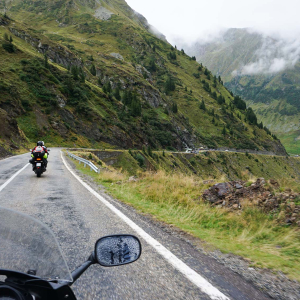
If you're passionate about breathtaking roads and stunning landscapes, then the Transfăgărășan Highway is the perfect choice. This winding road through the Făgăraș Mountains offers a unique driving experience and panoramic views that will leave you breathless. Make sure to stop at Bâlea Lake and Bâlea Waterfalls to fully enjoy this marvel of human engineering.
The road starts from the town of Bascov in Argeș County and ends near the town of Cârțișoara in Sibiu County.
It spans over 150 kilometers and connects the regions of Muntenia and Transylvania.
I've written MORE HERE about Romania's second-highest road, a spectacular location that is a must-see at least once in a lifetime.

4. Mateiaș Mausoleum
Located in the commune of Valea Mare-Pravăț in Argeș County, the Mausoleum is listed as a historical monument. It is dedicated to the heroes who fell between the years 1916 – 1918.
"The memorial complex at Mateiaș consists of a mausoleum, a historical-military museum, a bas-relief, and a stone cup from Albești, in which an eternal flame burns in memory of the soldiers who sacrificed themselves.
Built at the initiative of the local branch of the "Cult of Heroes" society, with the material participation of the locals, the Mateiaș Mausoleum was erected between 1928 and 1935, according to the plans of architects Dumitru Ionescu Berechet and State Balosin.
In the basement of the construction, the remains of over 400 soldiers and officers were placed in a black crypt, brought from cemeteries of neighboring localities or directly from the battlefield. On the side walls, 31 marble plaques were placed, with the names of all the over 2100 known heroes who fell in the battles for the defense of the Muscel lands.
During the consolidation and restoration works between 1979 and 1984, the ground floor of the monument was decorated with an extensive and original Murano-type mosaic, entitled 'Eternal Glory to the Heroes of the Romanian Nation!' During this period, based on a project conceived by a group of architects from Argeș, the terrain was terraced and modeled, two exhibition halls, bas-reliefs, and a monumental staircase were arranged," as described on the Argeș County Council website.
Visiting hours are between 9:00 AM and 7:00 PM from April to October and between 9:00 AM and 5:00 PM from November to March.
The entrance fee is 6 lei.
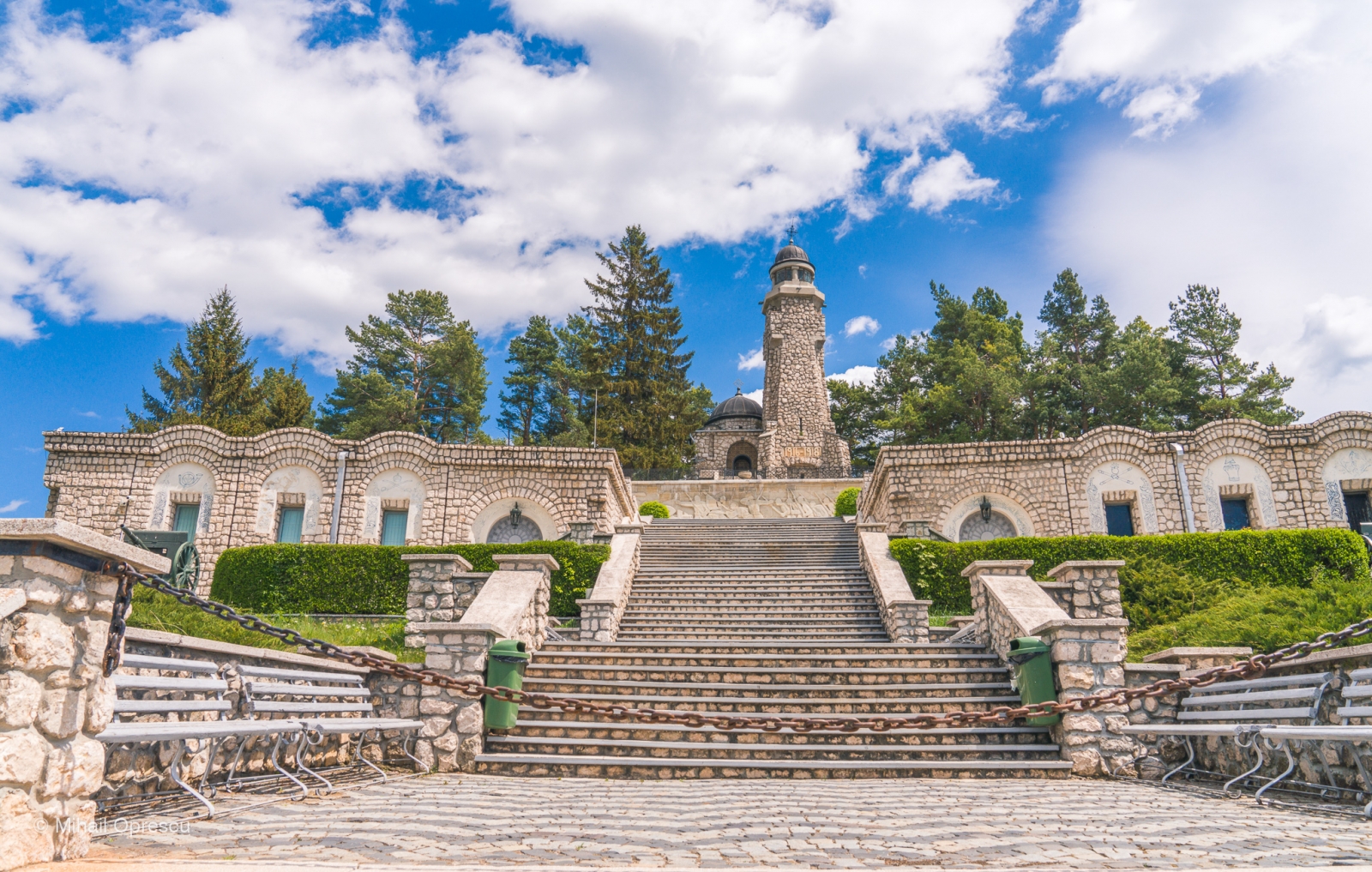
Foto: CJ Argeș.
5. Vidraru Dam and Reservoir
Vidraru Dam is the tallest dam in Romania, standing at a height of 166 meters. It is also the largest arch dam in the country. It was built between 1960 - 1966 for electricity generation, irrigation, and flood prevention.
"From the crown of the Vidraru Dam, an unforgettable view unfolds, and over the lake and dam, the 'Iron Man' dominates, an imposing statue by sculptor Constantin Popovici, depicting the mythological hero Prometheus with lightning in his hands - the symbol of electricity and Argeș County.
The Vidraru Lake and Dam are a major tourist attraction. The clean air, crystal-clear blue water, natural beauty, and serene view define this place as excellent for recreation.
In addition, various water sports can be practiced on the reservoir of the dam, and boat rides are available on the water.
For fishing enthusiasts, there are perfect spots for this type of activity, and for camping lovers, Lake Vidraru is renowned for the camping areas that can be found around it," according to the authorities of Argeș County, on their official website.
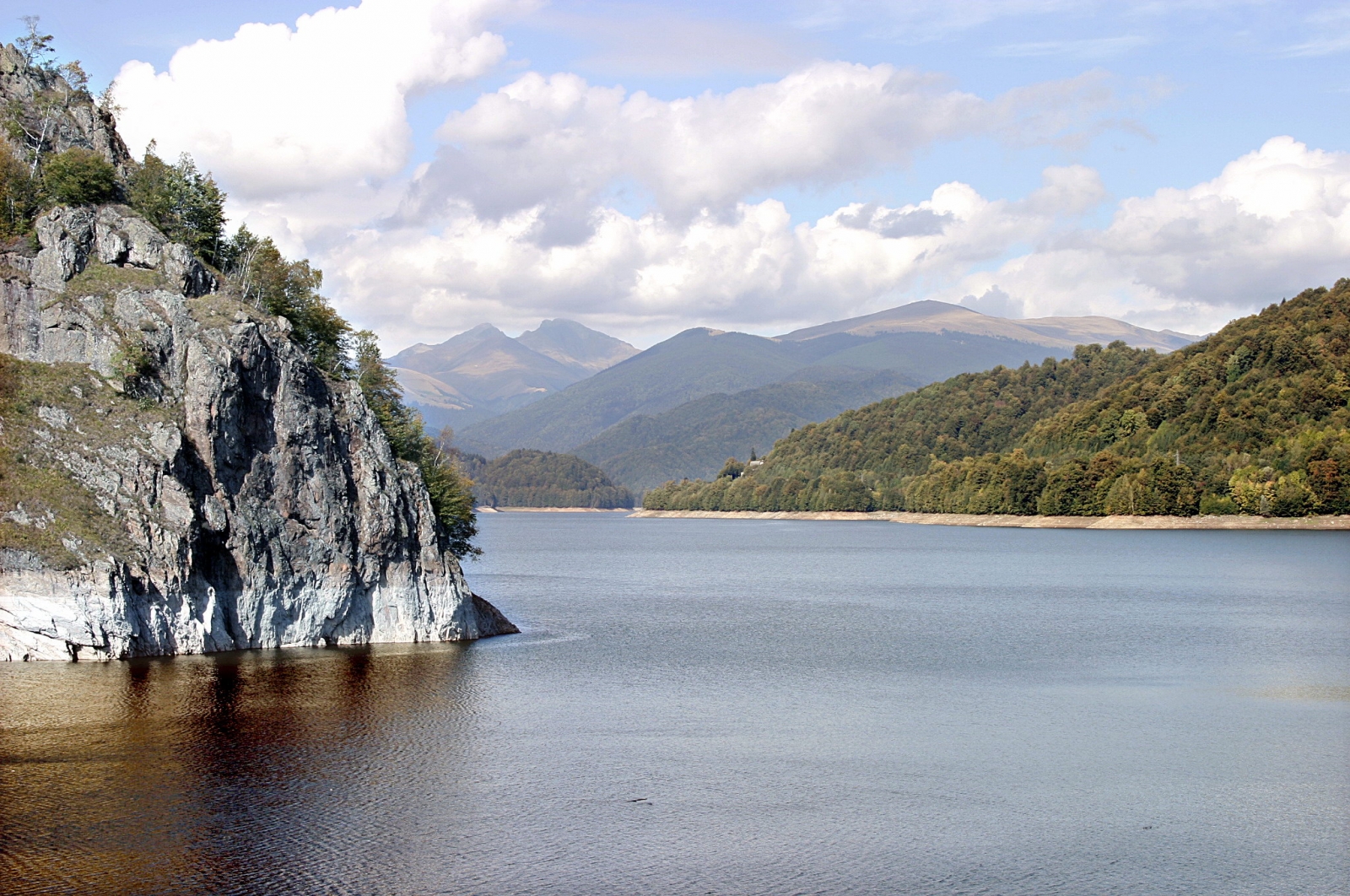
Foto: cjarges.ro
6. Jidova Roman Fortress
Located at the entrance of the town of Câmpulung Muscel, on DN 73, the Jidova Roman Fortress was built by the Romans between the years 190-211, using stone and fired brick.
According to authorities, it is the most important and well-preserved military construction of its kind along the Limes Transalutanus route, and at the same time, the only one built from stone in Roman Dacia.
.JPG.jpg)
7. Archaeological Site - Roman Baths in the Village of Voinești
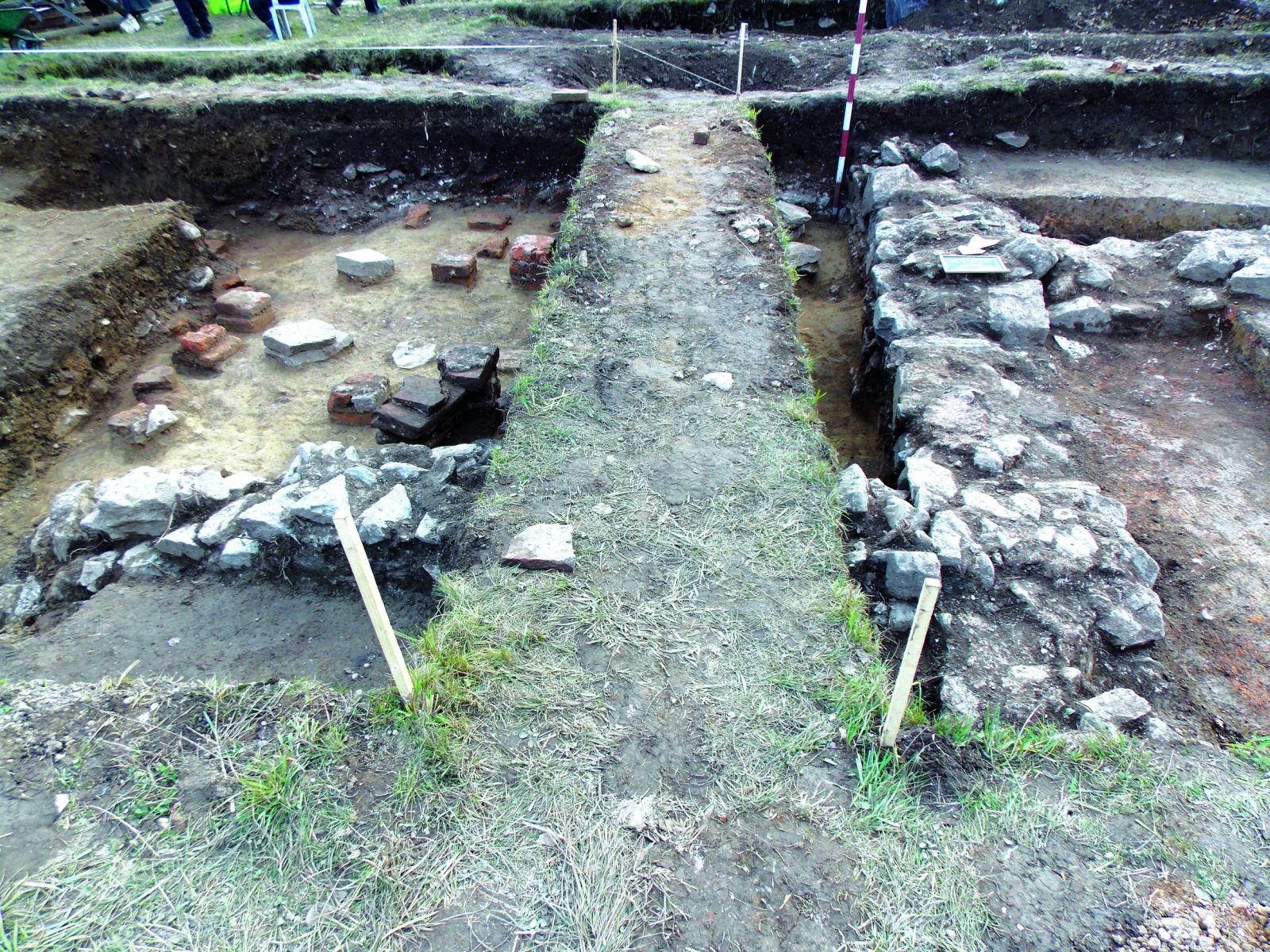
The archaeological site of the Roman Baths in the village of Voinești, located on the banks of the Cocoș River at the Măilătoaia point, traces the history of the Lerești commune back to the Daco-Roman period, specifically in the 2nd century AD.
Interestingly, this tourist attraction, the Roman fortress in Lerești, "was discovered by the students of the local school, under the direct guidance of history teacher Marin Bădescu and teacher Constantin Becleanu, as part of the 'Treasure Hunters' competition in the autumn of 1969," according to the Argeș County Council.
Those wishing to visit the area should also know that the distance between Pitești and Lerești is 61 kilometers. You can reach it by heading in the direction of Câmpulung (DN 73) - Lerești (DJ 734).
Indeed, these are the most captivating tourist attractions you can discover in Argeș County. Each of them offers a unique experience and unveils the beauty and history of this wonderful place. I hope these suggestions will inspire your next adventure and make you eager to explore this region in detail. Enjoy your journey and discover everything that Argeș has to offer!