Travel Ideas
Transalpina: 5 Essential Pieces of Information About the Most Beautiful Road

Especially since June 16, 2023, Transalpina has been opened to road traffic between Rânca and Obârșia Lotrului. However, there are specific restrictions: you can only drive between 8:00 AM and 6:00 PM, at a speed of 30 km/h, and with cars weighing a maximum of 3.5 tons.
1. Impressive Altitude
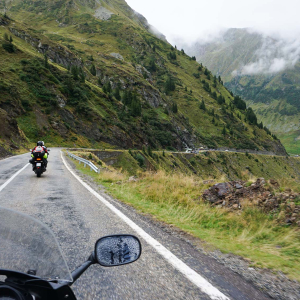
Transalpina is particularly renowned for its remarkable altitude. With a maximum elevation of 2,145 meters at Vârful Urdele, this road is among the highest in Europe. During your journey, you will be amazed by the breathtaking vistas it offers, with snow-covered mountain peaks, green meadows, and crystal-clear lakes. The road crosses four counties – Gorj, Vâlcea, Sibiu, Alba.
The road was officially named in Latin. "Transalpina" means "the land beyond the mountains" because that's how it was referred to in old Latin texts and maps from Wallachia, according to information published on http://www.transalpina.biz/.
2. King's Road
Transalpina is also known as the "King's Road."
Why is it nicknamed the "King's Road"? It earned this name because King Carol II, after its reconstruction in 1935, inaugurated it by driving along it himself, accompanied by the royal family.
Before that, the route was used since ancient times by shepherds from the Mărginimea Sibiului region who would move their flocks into Oltenia. It was more of a treacherous trail, popularly known as the "Devil's Path."
3. Remarkable Natural Landscapes
Transalpina takes you through stunning mountain landscapes, lush forests, and spectacular gorges. Every corner of Transalpina hides a picturesque scene, so don't forget to bring your camera or make space in your phone's memory to capture these unforgettable moments.
Transalpina crosses the Parâng Mountains from North to South. It runs parallel to the Olt Valley and the Jiu Valley, between which it lies. It connects the town of Săliște in Sibiu County to Novaci in Gorj County.
It is not only higher but also much older than Transfăgărășan, yet it is less known. The reason? Until 2009, the road had never been paved, even though it is a national road, DN 67C.
"Transalpina was built by the Roman armies on their way to Sarmizegetusa, paved with stone by King Carol II after 1930, and rehabilitated by the Germans in World War II, after which it was forgotten by the Romanian authorities. The fact that it was forgotten and became a challenging road to drive on with regular cars helped Transalpina maintain its untouched wilderness and unique charm that few places in the country still have. It is among the few roads in the country that you can reach with a car up to the clouds and even above them," writes the transalpina.biz website.
4. Winding and Challenging Road
Transalpina is known for its spectacular hairpin bends, providing an adrenaline-filled journey. However, make sure you are prepared and have the necessary mountain driving skills. As a less-traveled road, it is recommended to be cautious and follow traffic rules.
This road does not have a fixed opening schedule; it depends on the cold season, specifically when the snow melts. We remind you that restrictions are in place: you can only drive between 8:00 AM and 6:00 PM, at a speed of 30 km/h, and with vehicles weighing a maximum of 3.5 tons.
Back when it was inaugurated, the Novaci - Săliștea stretch of Transalpina was covered by King Carol II and his entourage in eight hours. Today, prepare for an adventure lasting from 3 to 5 hours, depending on traffic and stops.
It's also worth noting that every year in September, on a portion of the serpentine road DN67C between Novaci and Rânca, a stage of the National Hillclimb Championship takes place.
5. Outdoor Activities
Transalpina is a paradise for outdoor enthusiasts. In addition to driving, you can explore the area through mountain hikes, go cycling, or enjoy the scenery during a bike ride.
Among the attractions to visit in the area are: Cheile și Valea Gilortului (Gilort Gorges and Valley), Cheile Oltețului (Olteț Gorges), Polovragi Cave, Polovragi Monastery, Crucea lui Ursache (Ursache Cross), Muierilor Cave, Gâlcescu Lake, and Valea Frumoasei (Beauty Valley).
Transalpina is undoubtedly a magical place that will captivate you with its natural beauty and the adventures it offers. So, get ready for an unforgettable experience on the most beautiful road in Romania and enjoy the journey!