Events
What’s next for the Praid Salt Mine?
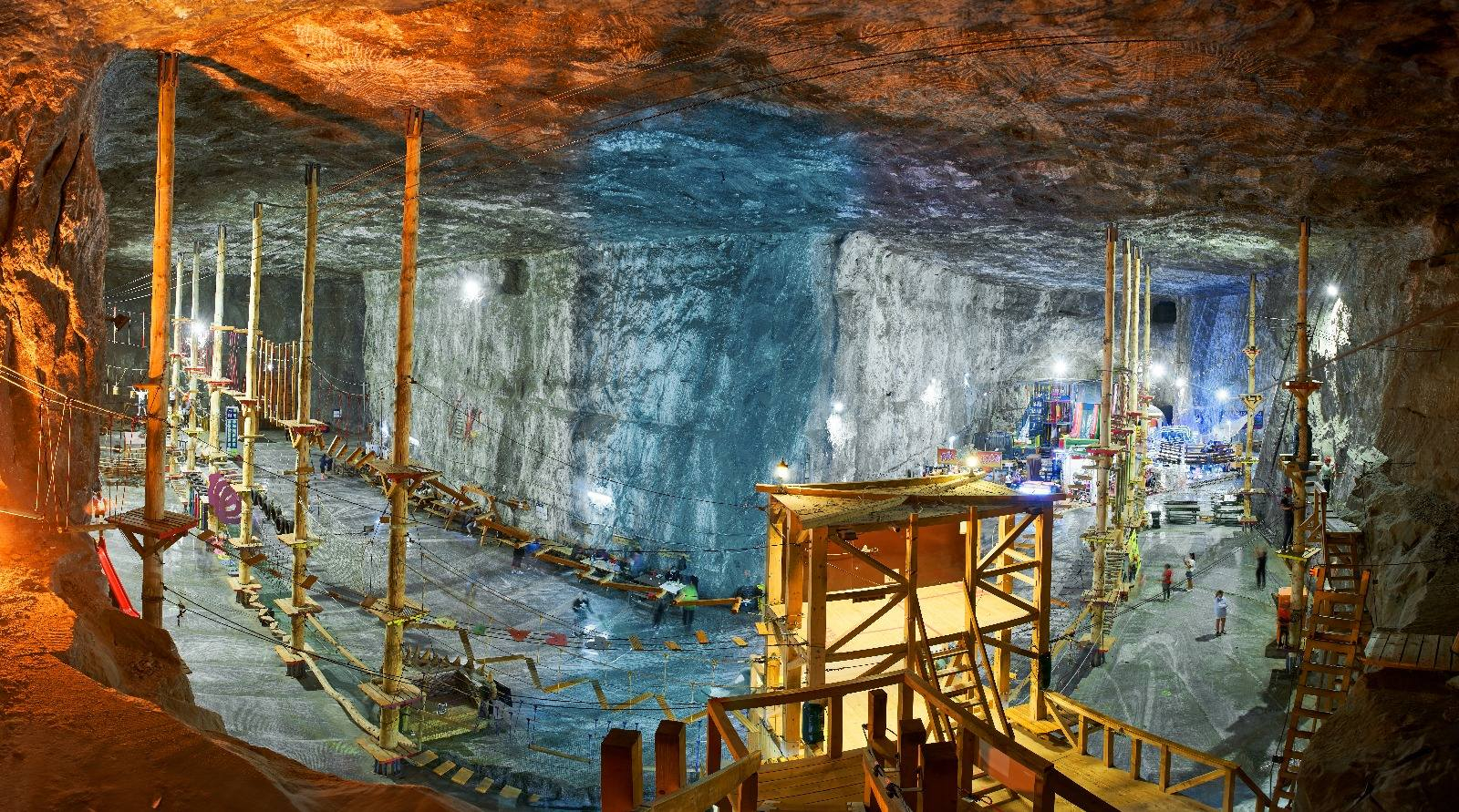
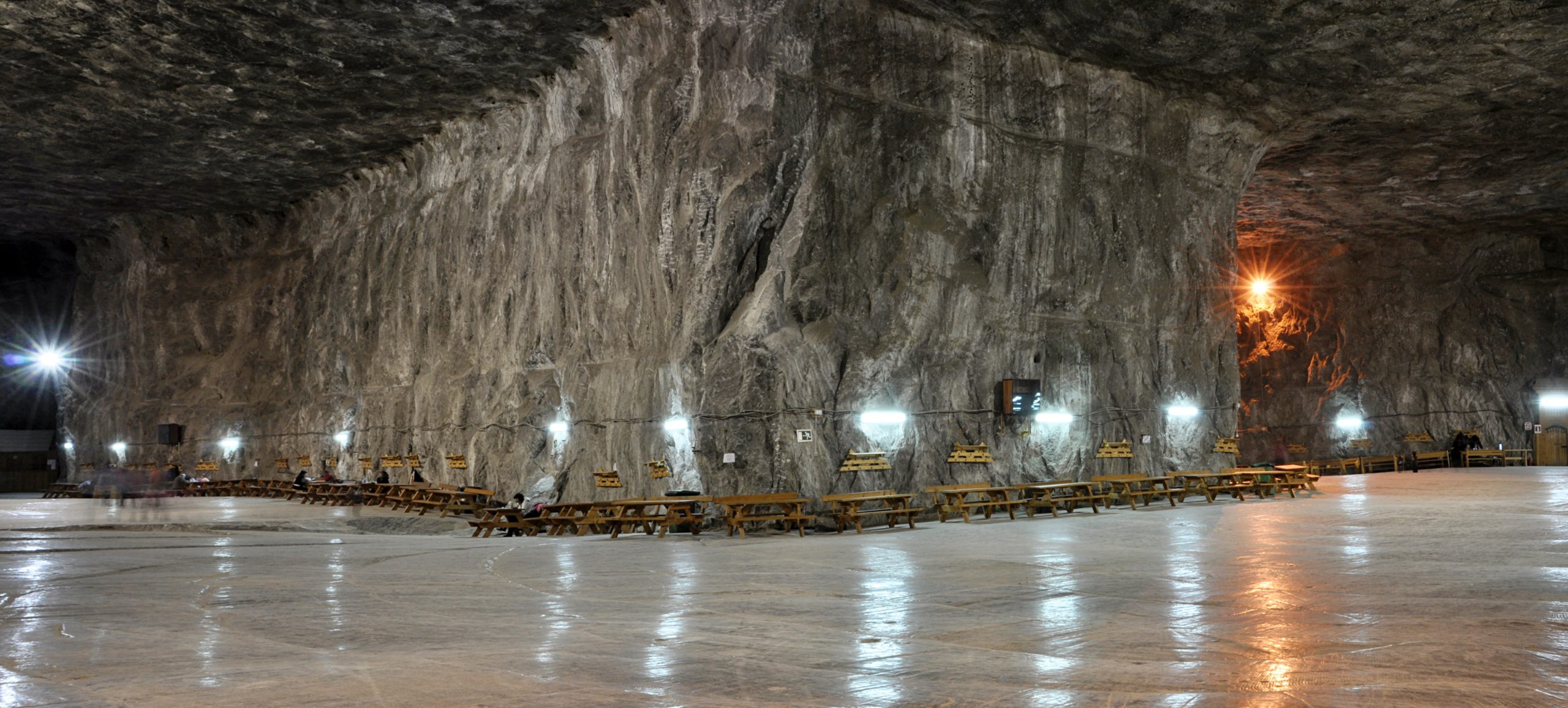
Thousands of tourists descend annually into its depths not only to admire the beauty of the salt-carved spaces but also to benefit from the unique microclimate, recommended for respiratory conditions. Over the years, Praid Salt Mine has attracted more than 400,000 visitors annually, consistently ranking among Romania’s top tourist destinations.
Besides its natural attractions, the salt mine offers a complete R&R area: playgrounds, cafes, creative workshops, a cinema, and even a chapel carved in salt — all located more than 100 meters underground. It has become a symbol not only of the region but also of Romanian tourism as a whole.
(source: GDS)
Unfortunately, in recent years, Praid Salt Mine has been severely challenged by extreme natural phenomena. After an initial series of infiltrations in 2023 that led to the temporary closure of the mine, 2025 brought severe flooding caused by record rainfall and rising underground water levels. These events have seriously damaged the mine’s infrastructure and raised significant questions about its future.
Currently, authorities, geology experts, and local administration are seeking technical solutions to reinforce and protect the underground structure, aiming to reopen the mine under fully safe conditions. But how long will this process take? What investments are needed? And how will the visitor experience change in the future?
Praid Salt Mine – The Pearl of Tourism in the Region
Until the dramatic events of recent years, Praid Salt Mine was undoubtedly the pearl of tourism in the Harghita area and a key pillar of the local economy. With a unique blend of spectacular underground landscapes, proven therapeutic benefits, and a tourism offer tailored to all ages, the salt mine had established itself as a top destination not only in Transylvania but at a national level as well.
The salt mine’s attractions went far beyond just visiting the salt galleries. Tourists came for a full experience: from speleotherapy sessions to cultural events, children’s shows, themed camps, and even concerts held in specially arranged underground spaces. The subterranean area had become a magic universe, with naturally filtered air, a constant temperature of 16 degrees Celsius, and a calming atmosphere impossible to replicate on the surface.
The mine was renowned for its speleotherapy program, where thousands of patients—especially those with respiratory conditions—underwent treatment deep within the salt deposits. This medical aspect gave the mine a special dimension, transforming it into a place where health and tourism blended harmoniously.
For the local community, the salt mine was a source of life. Dozens of guesthouses, restaurants, small artisan businesses, and equipment rental centers operated symbiotically with the steady flow of tourists. During the summer season, the population of Praid commune nearly doubled, and traditional events, local gastronomy, and rural tourism naturally developed around this attraction. Dozens of jobs, thriving local businesses—from guesthouses to restaurants and artisan shops—and a positive image of the region in international travel media. Salina Praid was not just a visited site; it was a complete experience that people returned to year after year.

(source: Stiri Acum)
At the national level, Salina Praid was often showcased as a best practice example of converting an industrial resource into a sustainable tourist attraction. In many international travel guides, it was recommended as “a must-see place in Romania,” alongside Bran Castle, the Transfăgărășan Highway, and the Danube Delta.
But perhaps the most important aspect was that the salt mine brought people together. Entire families returned year after year, especially for the treatment of children with respiratory conditions. Many personal stories are tied to this place — first vacations, first underground memories, the unmistakable scent of damp salt, and that heavy yet comforting silence that only the depths of a mountain can offer.
All these elements shaped the identity of a community and a deep emotional connection between people and the mine. Praid was not just a point on the map — it was a refuge, a heartfelt destination, a shining pearl hidden underground.
And now, that pearl is severely cracked. Its future depends on the decisions made today. Will it be restored, protected, and revitalized? Or will it become just a story about what once was and what was lost?
Salina Praid – One of the Largest Salt Mines in Eastern Europe
Salina Praid was not just a spectacular tourist attraction – it was an integral part of a millennia-old historical heritage, reflecting the deep connection between humans and the Earth's underground resources. With a documented history of salt extraction dating back to the Roman period, the Praid area was for centuries a vital center for exploiting the "white gold," as salt was known.
The earliest evidence of systematic extraction dates back to the 2nd century AD, when the Romans began large-scale mining of the salt deposits in the Carpathians, taking advantage of the enormous deposits formed in the region. Salt was not only a valuable food commodity but also a currency, an essential element for food preservation, and a strategic product closely controlled by imperial authorities.
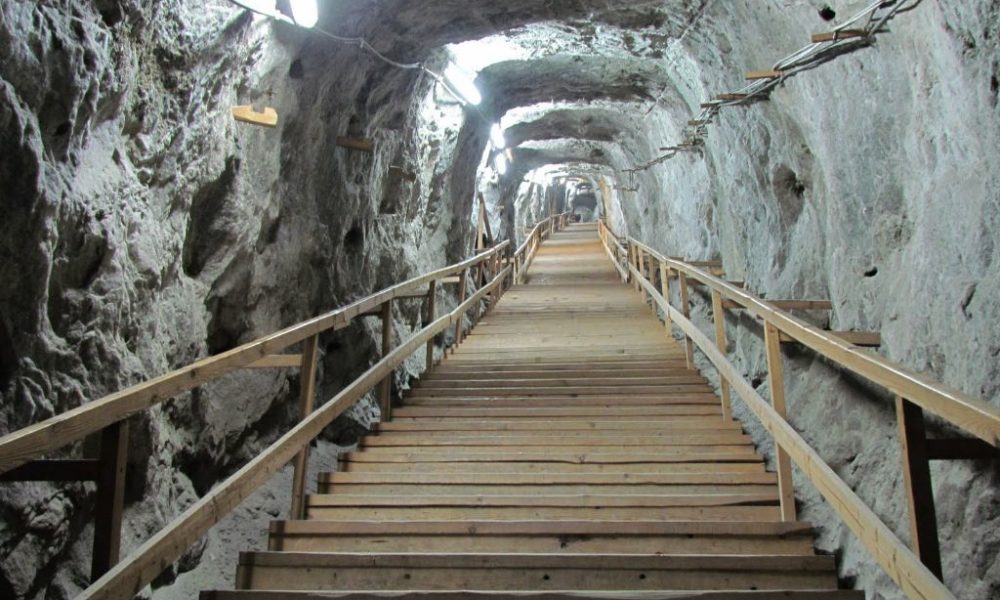
(source: Cotidianul)
After the Roman withdrawal, the tradition of mining was passed down from generation to generation. In the Middle Ages, salt extraction at Praid was already a regulated and well-organized activity, administered by Hungarian authorities and later by the Habsburg Empire. From the 17th to the 19th centuries, the salt mines of Praid were gradually modernized, and extraction continued steadily, making a significant contribution to the region’s economy.
During the interwar period and under the communist regime, the salt mine was industrialized and expanded, with public access restricted solely to extraction activities. It was only in the last few decades, after 1990, that the mine began opening to the public, with tourism and therapeutic functions becoming increasingly important. Through a joint effort by authorities and the local community, Salina Praid was redeveloped for visitors without interrupting its extraction operations — a feature that makes it unique in Eastern Europe.
Currently, the salt mine is one of the largest in the region, with an estimated deposit of hundreds of millions of tons. Its vast galleries, dug more than 120 meters underground, extend impressively and continue to be used both for salt extraction and for tourism and medical treatments. This dual function — industrial and recreational — grants Salina Praid a distinctive status in the European mining landscape.
Floods of 2023 – The First Warning Sign
The year 2023 brought the first serious signs of danger for the Praid salt mine. During the summer, following heavy rains and a significant rise in underground water levels, massive water infiltrations appeared in the active galleries of the salt mine. Although at first glance the phenomenon seemed manageable, experts quickly warned that the underground structure had begun to suffer abnormal pressures, and the infiltrations risked compromising both tourist safety and the integrity of the salt deposit.
As a precautionary measure, authorities decided to temporarily close the salt mine in August 2023. For several weeks, public access was completely restricted, and all tourist activities were suspended. During this period, engineers began assessment and drainage work aimed at reducing the risk of collapses or water accumulation in the exploited cavities.
Although the situation appeared temporarily stabilized, and the mine reopened to tourists after a few months, specialists warned that such events were not isolated incidents but part of a larger geological process, exacerbated by climate change and a lack of adequate reinforcement work. Nevertheless, the investments needed to modernize the drainage system, strengthen the salt walls, and protect the galleries proved insufficient against nature’s force.
The floods of 2023 left the salt mine vulnerable, and the year 2025 would confirm all the specialists’ fears: a new, far more devastating series of floods struck directly.
Floods of 2025 – The Disaster That Could Have Been Prevented
The spring of 2025 brought the most severe episode in the recent history of Salina Praid. After an unusually wet winter and a spring marked by record rainfall, the underground waters once again exceeded normal limits, putting enormous pressure on the already weakened structure of the salt mine. At the beginning of April, infiltrations reappeared, but this time with a volume and intensity that surpassed any previously estimated scenario.
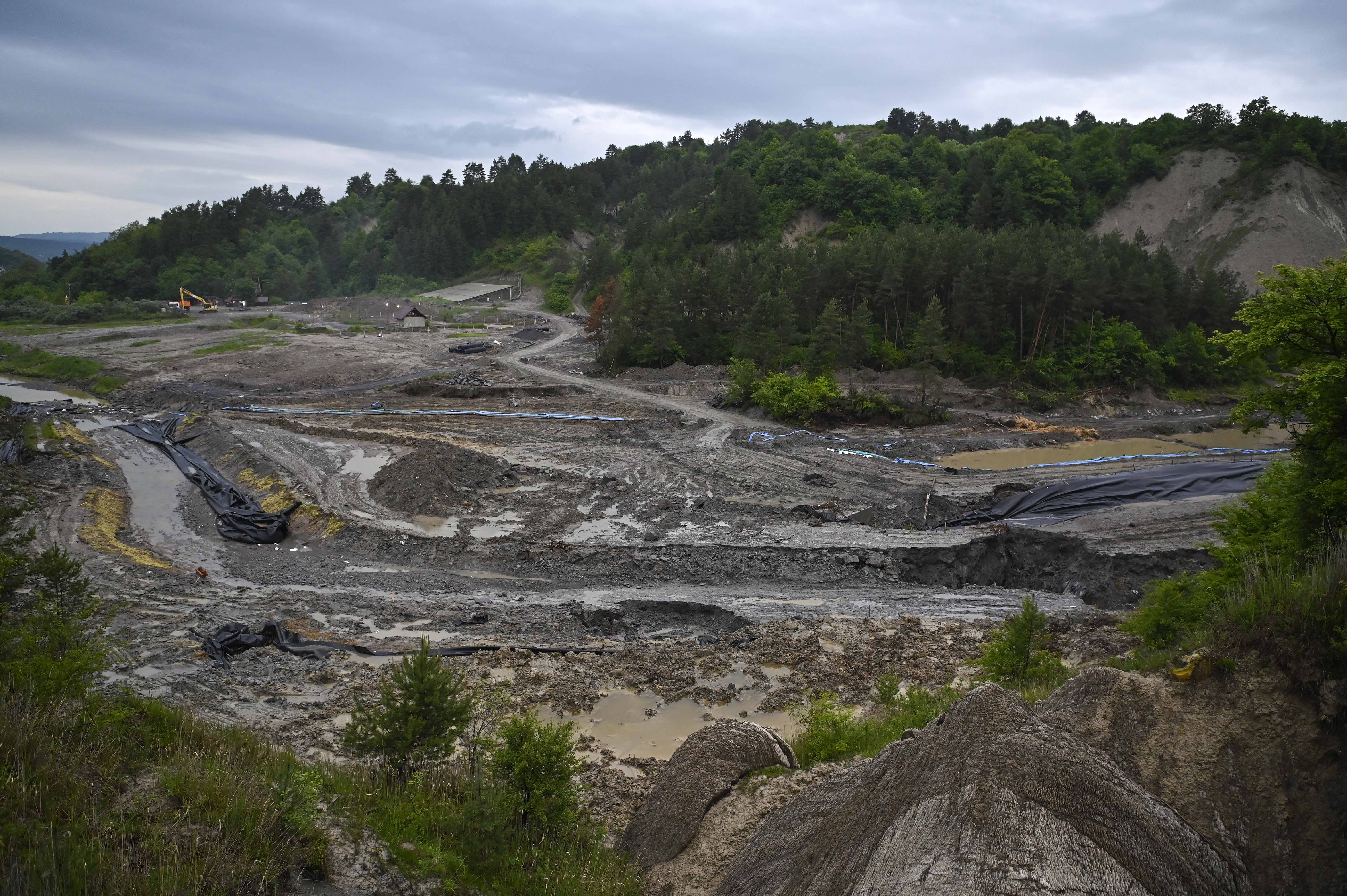
(source: Digi24)
In just a few days, the main galleries began to flood, and the salty, corrosive water—difficult to evacuate—started damaging electrical installations, tourist areas, and speleotherapy zones. The salt mine’s administration was forced to completely close public access, and an emergency evacuation of the personnel underground was carried out. In total, over 14,000 square meters of galleries accessible to tourists were directly affected, with some partially collapsing or becoming inaccessible due to water accumulation.
The damages were substantial: modern treatment equipment, playgrounds, electrical and ventilation systems, as well as artistic and religious structures inside the salt mine were either damaged or completely compromised. The impact was not only material but also symbolic—a significant part of what made the Praid experience unique was destroyed in just a few days.
What’s next for Salina Praid?
After two waves of devastating floods and a period of deep uncertainty, Salina Praid stands at a crossroads. The complete closure of access in 2025 was not only a major economic blow to the community but also a moment of realization—a turning point where its glorious past collided harshly with the realities of natural fragility and administrative neglect.
Yet from this crisis, a new perspective is gradually taking shape. In 2025, following public pressure and the involvement of county authorities, a public-private mixed consortium was formed to assess the feasibility of fully restoring and reconfiguring the salt mine. Experts in mining engineering, hydrology, conservation, and tourism have already begun collaborating to develop a long-term plan—one that not only repairs the damage but transforms Salina Praid into a model of resilience and innovation.
Among the proposals under discussion are:
-
Comprehensive modernization of the drainage network and underground monitoring systems;
-
Reinforcement of the gallery structures and redesign of tourist areas to comply with new safety standards;
-
Digitization of visitor routes, including interactive tours and augmented reality systems;
-
Expansion of speleotherapy facilities and reintroduction of cultural activities in a new format adapted to the reconfigured space.
But perhaps more important than infrastructure is the shift in mindset: there is a growing collective desire—among the community, loyal visitors, and experts—to save this underground treasure not just out of nostalgia, but for the future generations.
The people of Praid have not given up. Around the salt mine, local initiatives are already emerging to promote surface tourism—eco-tourism trails, artisan workshops, food festivals, and educational camps. In the absence of the salt mine, the community has not frozen in place but sought other ways to move forward—a clear sign that rebirth is possible.
The future of Salina Praid is not guaranteed, but it remains open. With responsible investments, solid expertise, and public support, it can once again become not only the jewel of Harghita tourism but also a European example of smart, sustainable, and safe heritage reconversion.
Perhaps deep in its silent depths, Salina Praid is already preparing its comeback. Not as a relic of the past, but as a symbol of rebirth from salt and hope.