Travel Ideas
When the Carpathians Turn Pink: Chasing the Legendary Mountain Peonies
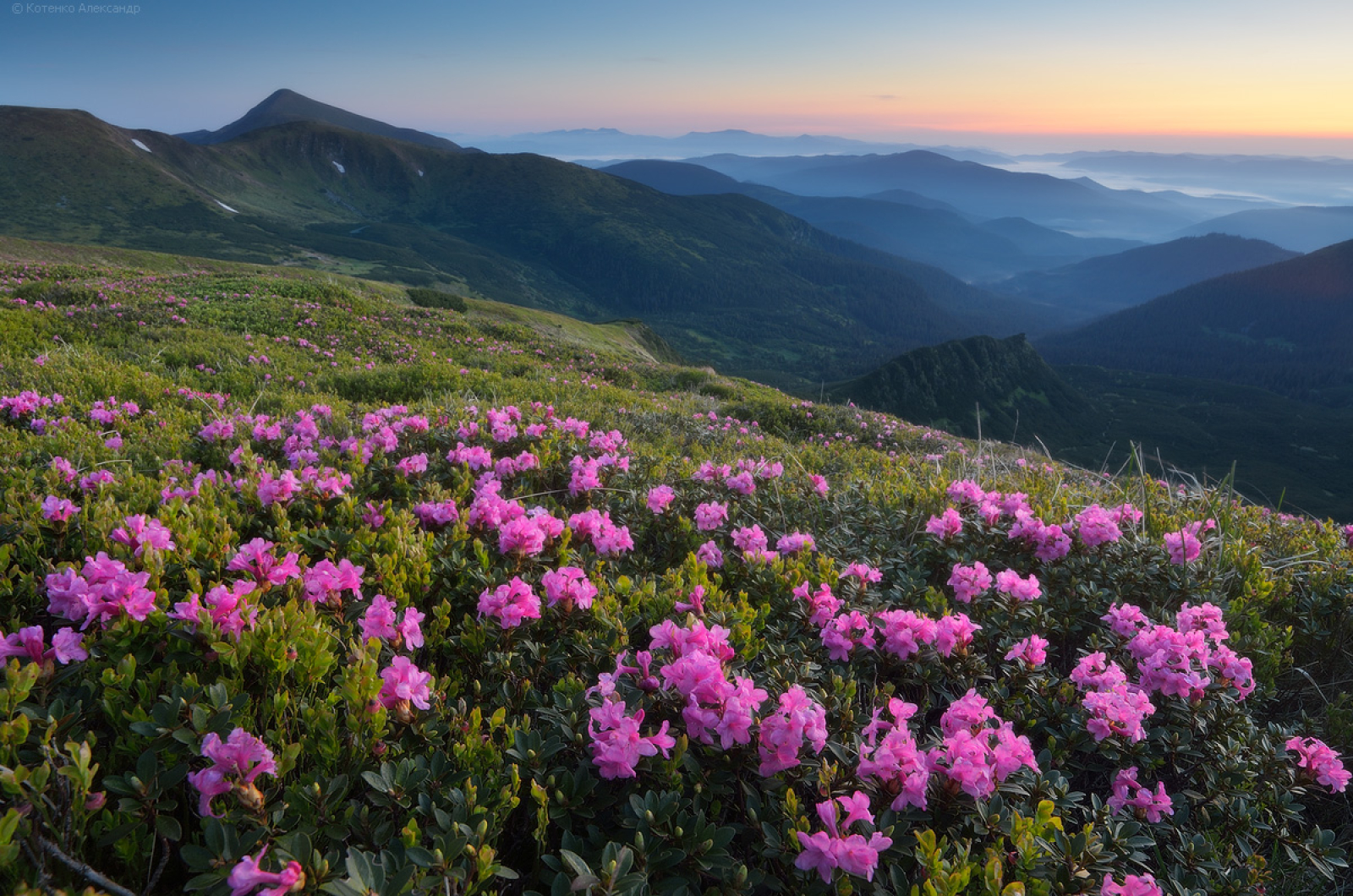
Escape the city heat and discover the magic of the Carpathians at the beginning of summer! The middle of June brings with it one of the most spectacular alpine phenomena: the blooming of the mountain peony (rhododendron). As the snow retreats from the ridges, the mountain massifs are covered by a vibrant pink carpet. Although the trail involves a few hours of sustained climbing, the final panorama turns every effort into an unparalleled reward.
(Source: România sălbatică)
Where Does the Mountain Peony Come From?
Characterized by a remarkable diversity, the genus of rhododendrons brings together in botanists' classifications over a thousand species of shrubs and trees from all over the world. This taxonomic richness reflects the plant's extraordinary ability to adapt to extremely varied habitats. Although this genus originally originates from East Asia, it has adapted excellently to other corners of the world as well. Thus, it has found shelter in the highest and most rocky mountain zones of Romania, where it has become a true jewel of the meadows.
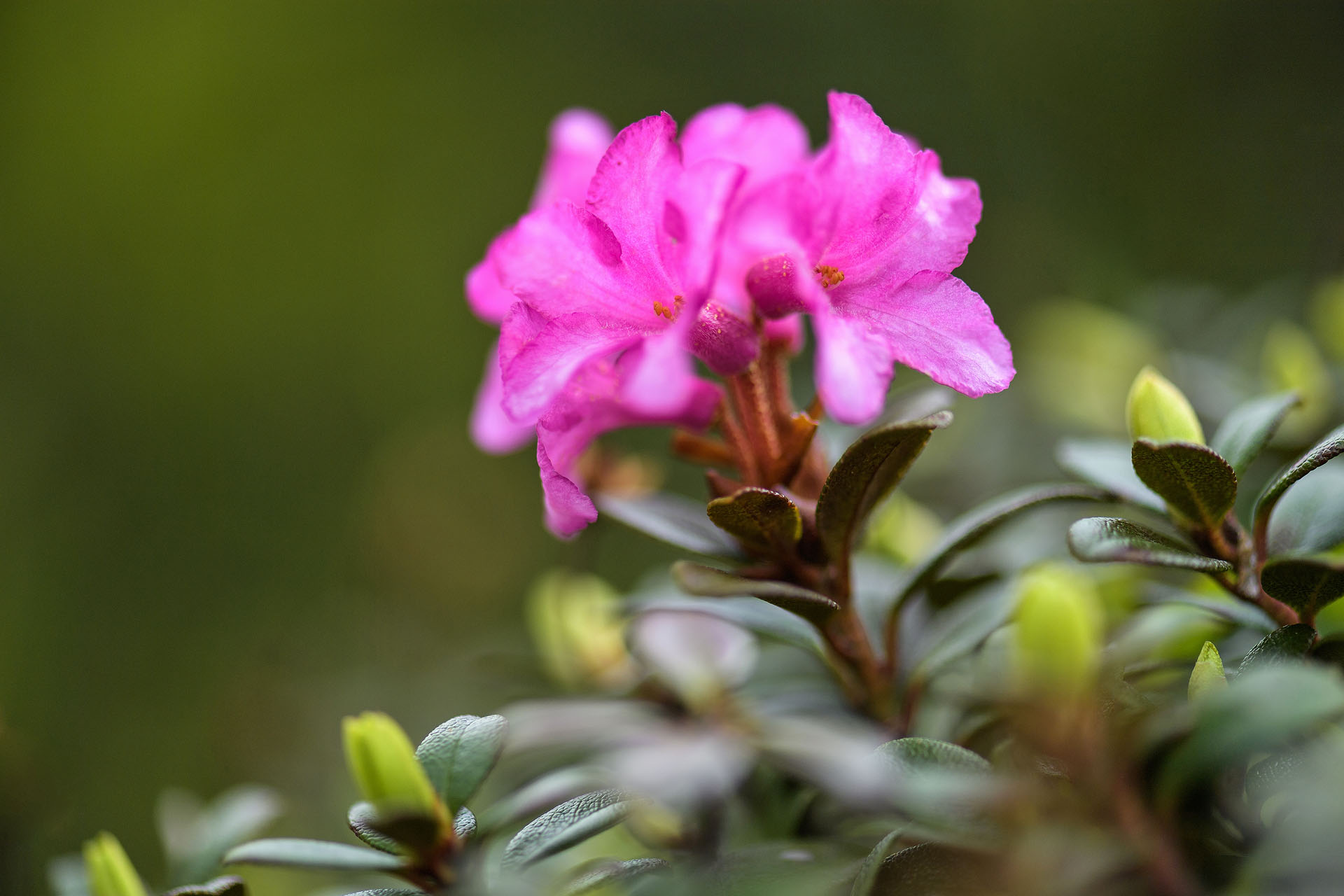
The popular name of "mountain peony" (bujor de munte) can create confusion: in reality, from a botanical point of view, the plant is not related to the classic peonies found in gardens. It is a mere coincidence of names, as the rhododendron is a completely distinct species, adapted strictly to the rigors of the alpine climate. It is a dwarf shrub with dense, resinous-perennial (evergreen) branches, which thrives only at altitudes above 2000 meters, in the harsh and wind-swept alpine zone. Its small, funnel-shaped, and brightly colored flowers cover the bushes so densely that from a distance it looks as if someone has spread a huge, wavy, pink-purple carpet over the gray rocks.
The mountain peony is a rare and extremely valuable treasure of our flora. Since it is a plant strictly protected by law, it is forbidden to pick, damage, or uproot it! Not only because the law forbids it, but also because wild specimens cannot survive in garden soil: they need the clean mountain air, the special alpine soil, and the high-altitude climate. The blooming lasts only 2–3 weeks, usually between mid-June and the beginning of July, depending on the weather.
If you are planning a hike for mid-June, here are a few recommendations where you can admire these wonderful flowers of the mountain:
The Rodna Mountains
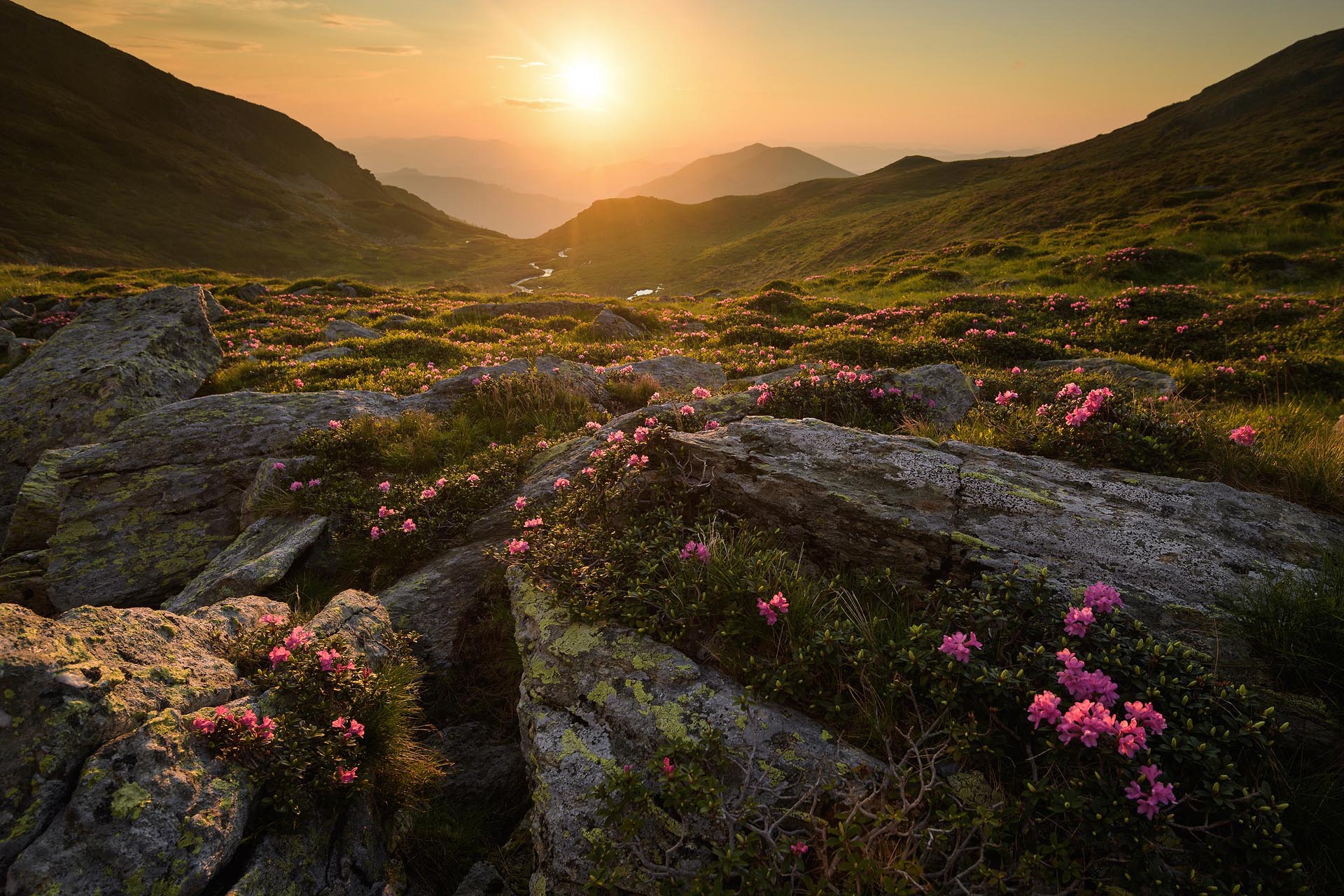
Many consider the rhododendron blooming in the Rodna Mountains to be the most spectacular. The huge glacial cirques around the Gargălău Peak and Ineu Peak plunge during this period into a true pink-purple sea. The difficulty of the trail varies from medium to very hard. The weather in the Rodna Mountains is extremely volatile, and the differences in altitude are significant, so walking on the steep and rocky paths requires good physical condition, stability in motion, and wind-resistant clothing. The shorter trails, combined with the chairlift to the Gargălău Cirque, take 4–6 hours round-trip.
(Source: România sălbatică)
The Bucegi Mountains
On the Bucegi Plateau, in the perimeter between the Babele rock formation and the Heroes' Cross on Caraiman, carpets of rhododendron flank the trails for a distance of a few kilometers. This area offers the advantage of easy access thanks to the cable transport infrastructure, the optimal starting point being the upper station of the cable car in Bușteni. For fans of classic hiking, a more demanding and spectacular route can be initiated from the Ialomița Valley, using the Padina or Peștera area as starting landmarks.
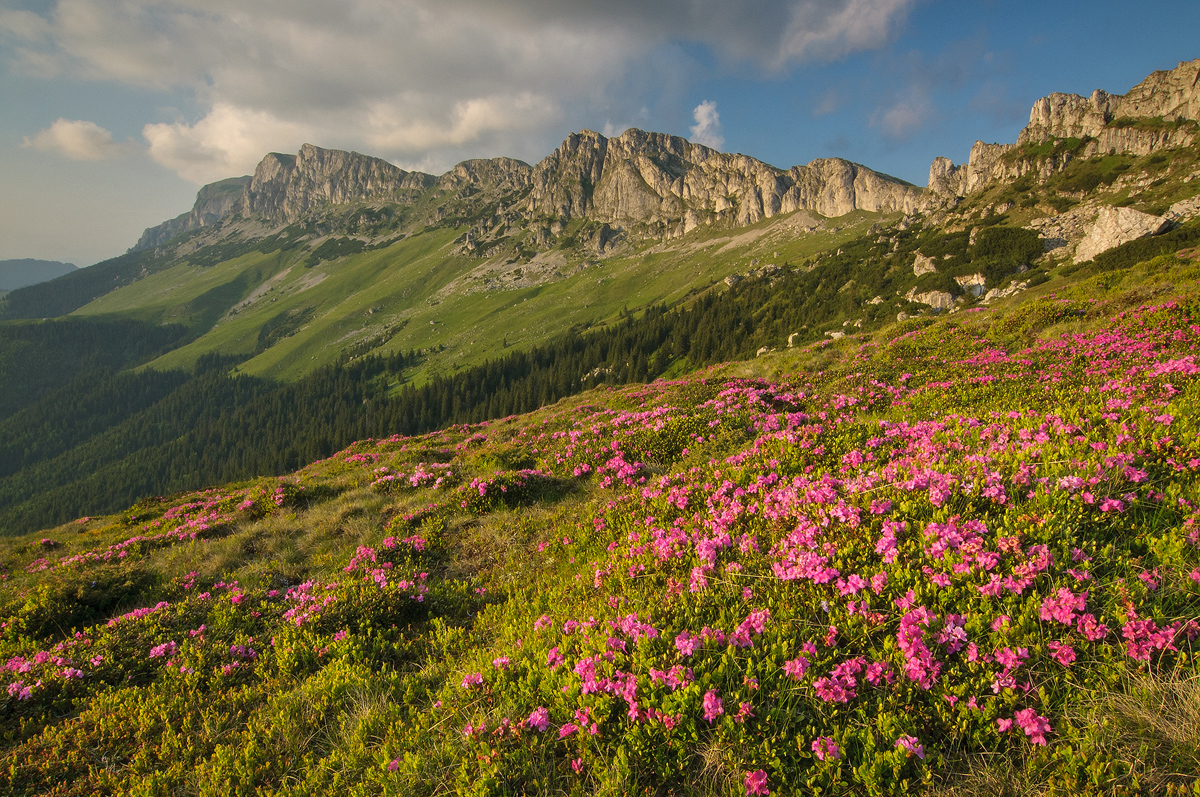
(Source: România sălbatică)
The Făgăraș Mountains
The area around the Transfăgărășan road, especially the ridges above Lake Bâlea and the paths leading to the Moldoveanu Peak, are flooded at the end of June by a true cloud of fragrance. Here, the landscape is at its wildest: the encounter between the steep rocks and the delicate flowers is amazing. To admire the show of the mountain peony in Făgăraș, the classic circuit from Lake Bâlea to Lake Capra and onto the neighboring ridges represents the ideal option, being an accessible hike of only 3–4 hours. For experienced mountaineers who wish to combine the floral landscape with high performance, the trail can be extended along the main ridge toward the Moldoveanu Peak—a demanding expedition that varies between 7–9 hours of marching and alpine circuits of several days.
The Retezat Mountains (Munții Retezat)
The Retezat Mountains represent the oldest national park in the country, which conquers the hearts of visitors with its more than 80 sparkling glacial lakes and its sharp, pyramid-shaped peaks. In Retezat, the rhododendron behaves in a very special way: it springs up almost out of nowhere, from the smallest cracks of the huge granite rocks, and in some places, it ventures right down to the shores of the glacial lakes. The classic and most popular starting point is the parking lot near Cârnic, from where you can go up passing by the Pietrele Cabin.
The Ciucaș Mountains
Between the strangely shaped rocks of Ciucaș, the blooming of the mountain peony makes the landscape look even more like a fairy tale. Characterized by lower altitudes and a fragmented but gentle relief, this massif provides tourists with accessible paths, ideal for weekend family hikes or for beginner mountaineers. An emblematic landmark of the area is Muntele Roșu (The Red Mountain), whose toponymy is closely linked to the annual phenomenon of the mass blooming of the mountain peony (rhododendron), which colors the slopes in a unique shade.
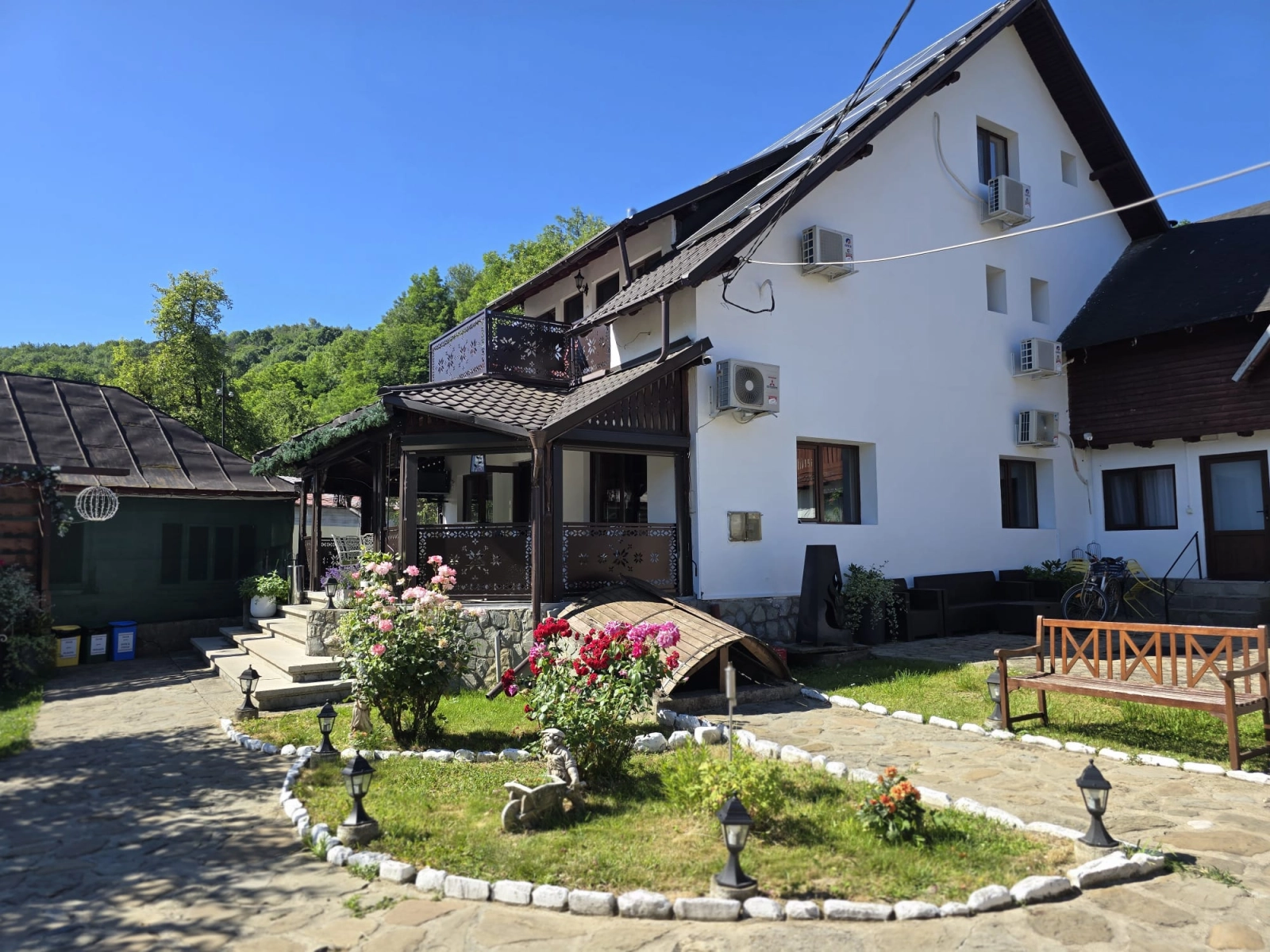
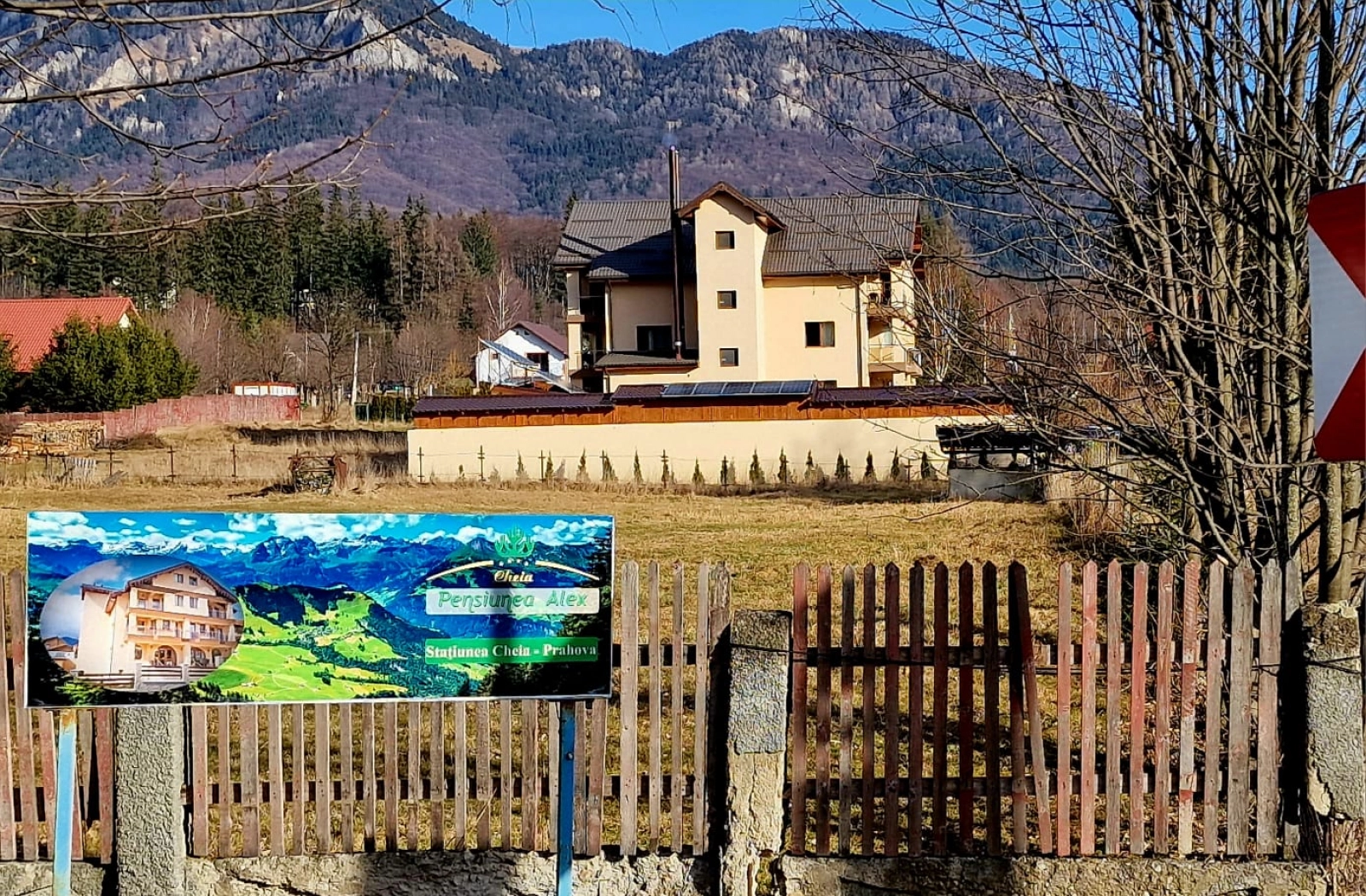
Cazări recomandate
Vezi tot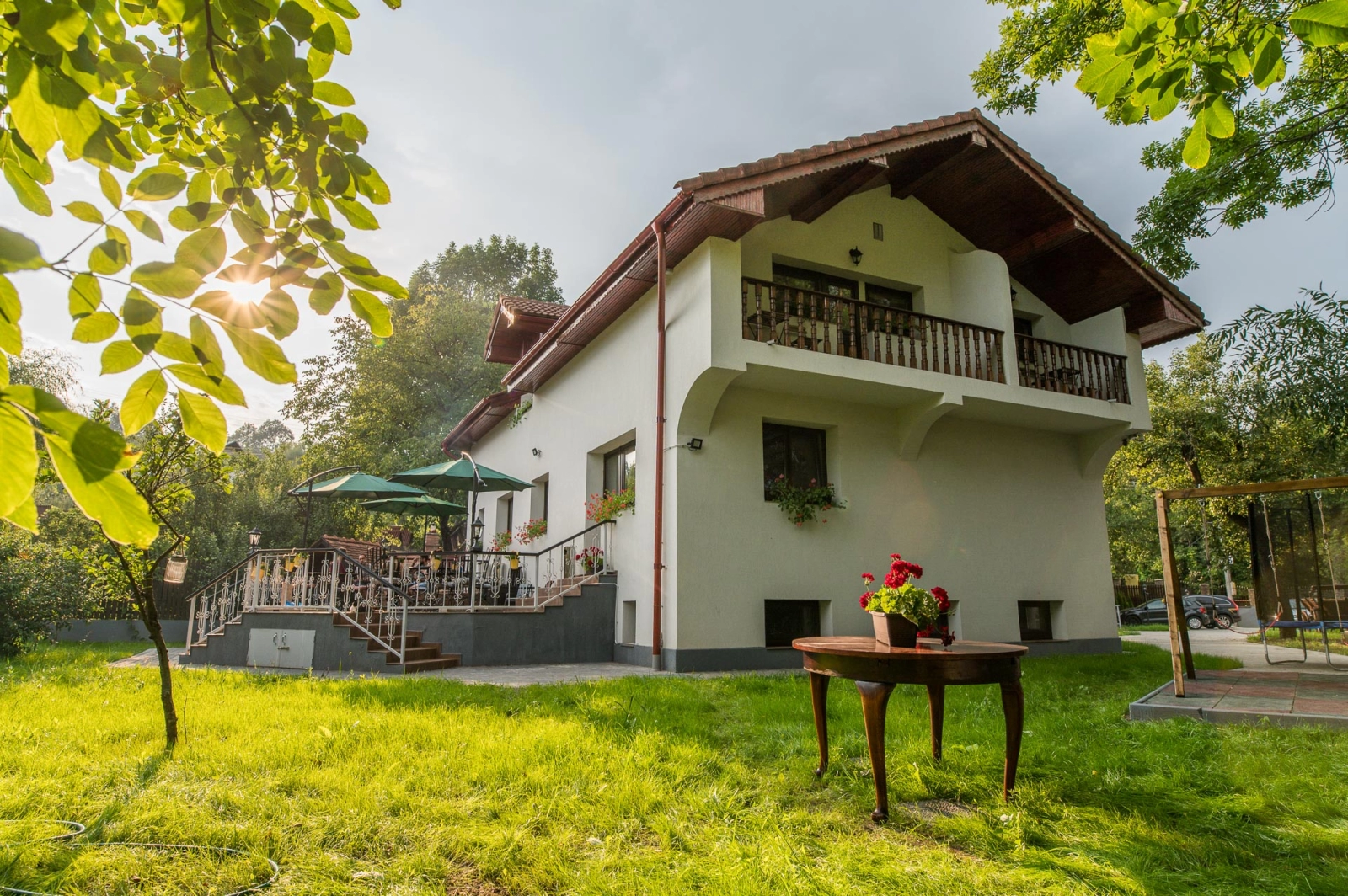
The Healing Power of the Mountain Peony
The mountain peony that blooms on the high ridges does not only offer a wonderful sight but also holds a special place in folk medicine and science. In the cultures of mountain areas, it has long been considered a kind of universal natural remedy, as its flowers have many healing properties. The petals of the plant are rich in gelatinous substances (mucilages), which excellently soothe inflamed mucous membranes. They also contain essential amino acids for our body, polyphenols, and micro-sublimated crystals. Due to its powerful antioxidant effect, this special flower helps protect cells and effectively supports the immune system.
In the past, the local inhabitants used the mountain peony much like rose petals: from the freshly picked petals, they prepared dense and aromatic syrups, fine jam, and teas. These homemade remedies effectively soothed coughs, cleared the airways, and helped fight colds and febrile states.
Although shepherds knew the flower for centuries, two famous researchers from Central Europe were the first to classify this botanical treasure for the scientific world. Theodor Kotschy, a well-known Austrian botanist, first studied the plant in the Carpathians, so in his honor, the flower received the official Latin scientific name of Rhododendron kotschyi. Lajos Simonkai, an excellent Hungarian botanist, also played a key role in the exact definition of the species and in mapping the flora of our mountains.
The blooming of the mountain peony is an experience that everyone should see at least once in their lifetime. Do not forget, the weather in the mountains can be chilly or even stormy even in June! Take proper hiking boots and a rain jacket with you. And because after such a hike your feet deserve a rest, do not forget to book your accommodation at the foot of the mountains in advance on the website stayhere.ro.