Travel Ideas
7 Medieval Citadels to Visit in 2026 in Romania
Journey Through the Medieval Fortresses of Romania
Romania is a true treasure trove for medieval history enthusiasts, and the year 2026 can become the perfect moment to rediscover the fortresses and castles that tell stories of voivodes, knights, sieges, and bygone eras. Along the Carpathians and in the heart of Transylvania, medieval fortifications are not just stone monuments, but symbols of cultural identity and the region's complex past. Whether perched on steep cliffs, hidden among rolling hills, or integrated into historic towns, these places offer authentic experiences and a fascinating perspective on how people lived, fought, and built communities in turbulent times.
From the legendary atmosphere of Bran Castle, associated with the myths and mysteries of Dracula, to the imposing Făgăraș Fortress, one of the best-preserved fortifications in Eastern Europe, each destination offers a unique story. Râșnov Fortress impresses with its strategic position and spectacular views over the Țara Bârsei, while Alba Carolina in Alba Iulia represents a remarkable example of bastionary architecture, where medieval history blends with the modern era. Further south, Poenari Fortress, linked to the figure of Vlad the Impaler, offers an authentic experience for those seeking adventure and dramatic panoramas.
In the west of the country, Deva Fortress dominates the landscape from a volcanic hill, offering visitors a foray into Transylvania's military and strategic past. Last but not least, Corvin Castle in Hunedoara, one of the most spectacular Gothic constructions in Europe, impresses with its size, elegance, and fairytale atmosphere. Each of these fortresses tells a different history, but together they create a fascinating map of Romanian medieval heritage.
In this article, we propose a selection of the seven most impressive medieval fortresses in Romania worth visiting in 2026, whether you are passionate about history, architecture, or simply looking for memorable destinations for cultural escapades. Prepare to step back in time, discover legends, explore impressive fortifications, and rediscover the medieval charm of places that have withstood centuries and continue to fascinate generations of travelers.
Bran Castle
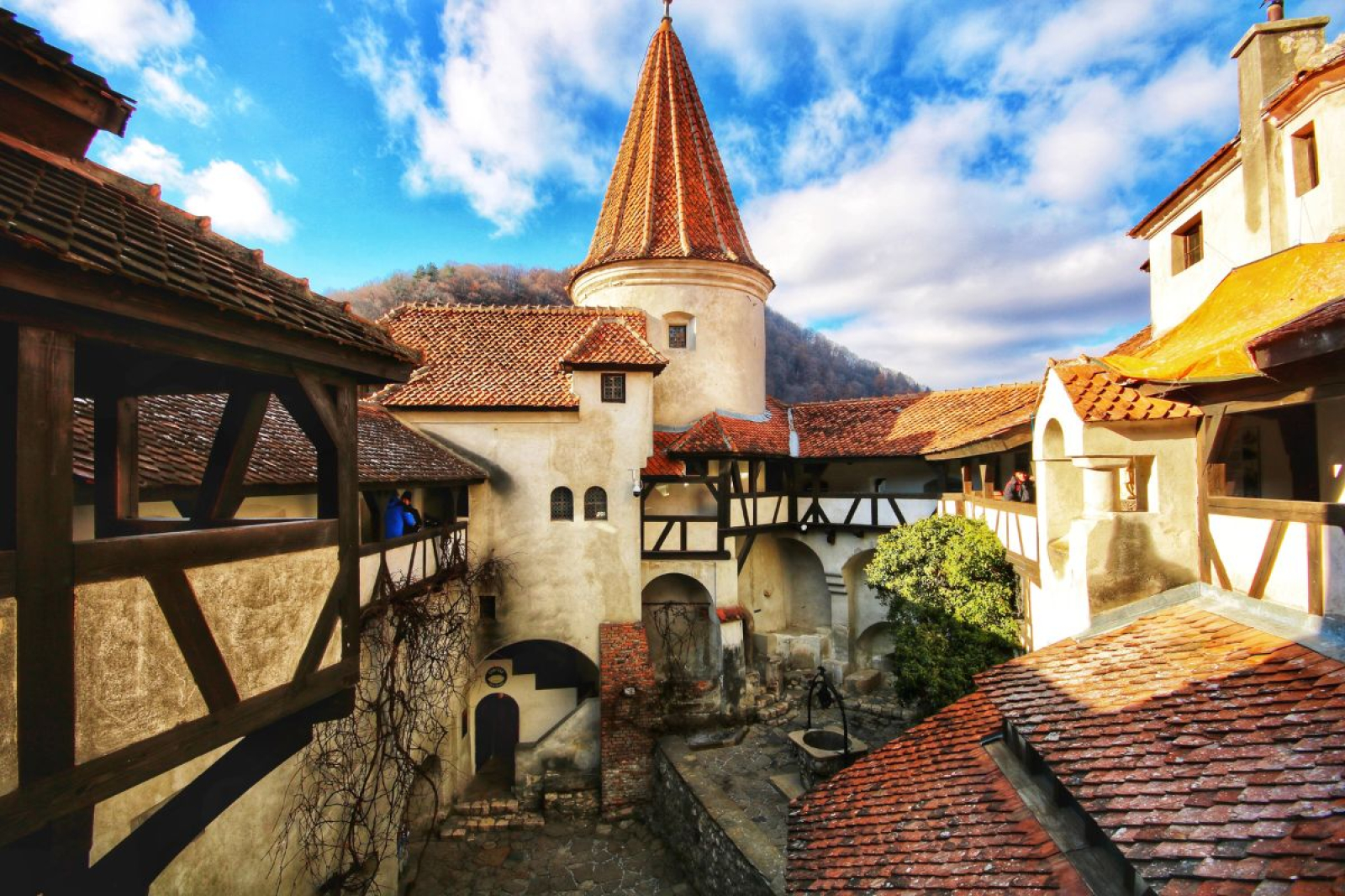
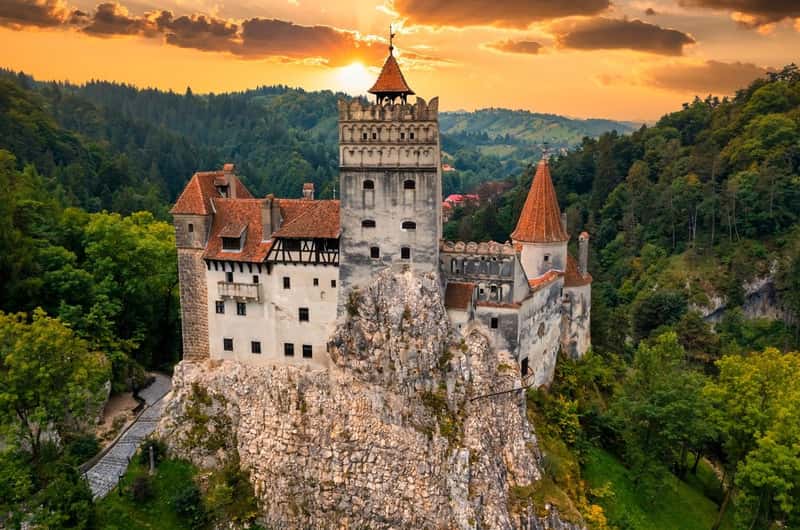
Bran Castle is undoubtedly one of the most well-known and visited medieval fortifications in Romania, attracting tourists from all over the world annually due to its mysterious atmosphere, spectacular architecture, and the legend of Dracula that envelops it. Located on the historical border between Transylvania and Wallachia, the castle dominates the landscape from a steep cliff, offering impressive views over the surrounding valleys and mountains. Built initially as a strategic defense point and for controlling trade routes, Bran has evolved over time into a cultural and tourist symbol, blending real history with popular myths that have contributed to its international fame.
( Source: GetYourGuide )
Although the association with Vlad the Impaler is more of a modern construction fueled by Gothic literature and popular culture, the castle has a rich authentic history, marked by its defensive role and periods when it was a royal residence. Its interior impresses with narrow rooms, hidden staircases, and furniture reflecting the lifestyle of the Romanian royal family from the first half of the 20th century. Queen Marie, one of the most important historical figures associated with Bran, transformed the castle into an elegant and welcoming space while preserving its medieval character.
A visit to Bran Castle offers a complete experience: thematic exhibitions, art collections, and historical objects, but also the opportunity to explore the inner courtyard, towers, and secret passages that enhance the sense of adventure. Around the castle lies a lively tourist village, with traditional markets, restaurants, and souvenir shops that complete the medieval atmosphere and offer visitors a foray into local culture.
In 2026, Bran Castle remains an essential destination for those wishing to discover the charm of medieval fortresses in Romania. Whether you are drawn by dark legends, authentic history, or simply architectural beauty, Bran offers a memorable experience where the past and imagination meet in a spectacular setting.
Făgăraș Fortress
Făgăraș Fortress ranks among the most impressive and well-preserved medieval fortifications in Romania, being a remarkable example of Transylvanian defensive architecture. Located in the center of the city of Făgăraș and surrounded by a wide moat filled with water, the fortress impresses at first sight with its massive walls, solid bastions, and authentic atmosphere that immediately takes you back in time. Originally built in the 14th century and expanded during the Principality of Transylvania, the fortification has had multiple roles throughout history: a noble residence, a strategic military point, and an important administrative center.

( Source: Roturistic )
One of the distinctive elements of the fortress is its excellent state of preservation, which allows visitors to explore medieval halls, inner courtyards, and impressive galleries in detail. The museum housed inside presents varied collections of weapons, armor, art objects, and ethnographic exhibits, offering a complex image of life in the Middle Ages and the historical evolution of the region. The vast rooms and vaulted corridors create an authentic atmosphere, and stories about rulers, nobles, and military conflicts add depth to the experience.
Besides its historical value, Făgăraș Fortress also offers a picturesque setting for relaxing walks, especially around the lake that surrounds it. The reflection of the walls in the water, the landscaped gardens, and the nearby alleys transform the visit into a memorable visual experience. Nearby, the city of Făgăraș completes the medieval atmosphere through its traditional architecture and easy access to the Făgăraș Mountains, offering additional opportunities for exploration.
In 2026, Făgăraș Fortress remains an ideal destination for those seeking an authentic foray into Romania's medieval history. It is a place where the past comes to life through stories, exhibitions, and impressive landscapes, offering a deep cultural experience accessible to all ages.
Râșnov Fortress
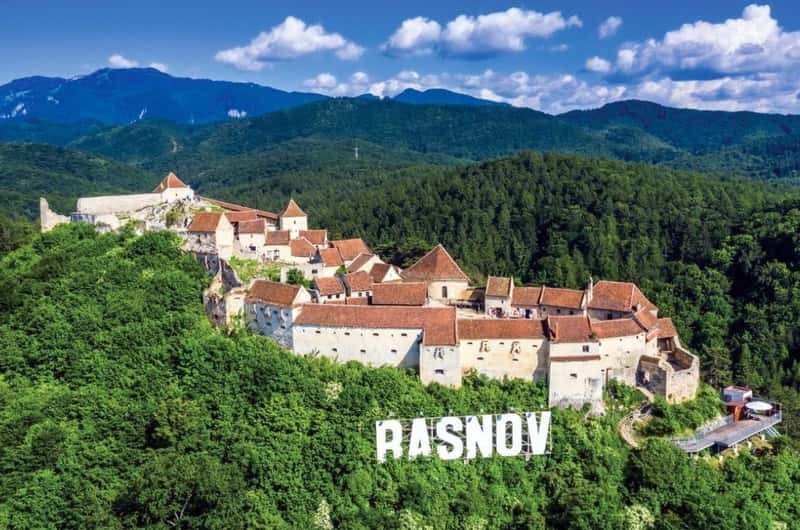
Râșnov Fortress is one of the most spectacular medieval fortifications in Romania, distinguished by its strategic position on a rocky hill dominating the entire Țara Bârsei. Built by Saxon communities in the 13th–14th centuries as a refuge against invasions, the fortress was not just a military point but a true fortified settlement where inhabitants from the surroundings retreated during times of danger. This collective defensive function shaped the structure of the fortress, which included not only walls and defense towers but also dwellings, storehouses, and even a school, transforming it into a small medieval town protected by massive fortifications.
( Source: GetYourGuide )
Access to the fortress offers a memorable experience from the start, whether you choose to hike through the forest or prefer a tourist transport means. Once at the top, the view over the Bucegi Mountains and the surrounding villages is spectacular, and the authentic atmosphere of the place invites you to explore every corner of the fortification. The narrow streets, reconstructed houses, and defense bastions preserve the charm of the medieval era and offer visitors the chance to understand how local communities organized themselves to face the dangers of the time.
Over the years, Râșnov Fortress has also become an important cultural space, hosting historical festivals, exhibitions, and thematic events that bring the medieval atmosphere back to life. Nearby are other important attractions, such as Dino Parc Râșnov or Bran Castle, making the area ideal for day trips or weekends full of activities.
Alba Carolina Citadel
Alba Carolina Citadel in Alba Iulia is one of the most impressive fortifications in Romania and a symbol of national history and identity, offering a unique experience for those wishing to discover the medieval and modern heritage of Transylvania. Built in the 18th century in the Vauban style, on the site of older medieval and Roman fortifications, the citadel impresses with its vast size, star-shaped architectural plan, and massive bastions that transform it into a true fortified city. Although it has later influences than other classic medieval fortresses, Alba Carolina preserves the defensive and symbolic spirit of previous eras, being a space where multiple historical layers meet.

( Source: Stirile ProTV )
Visitors are welcomed by monumental gates decorated with impressive Baroque sculptures, and the walk through the citadel's interior becomes a true foray into the past. Here, important historical buildings can be explored, such as St. Michael's Roman Catholic Cathedral, the Coronation Cathedral, or the Princely Palace, each contributing to the cultural richness of the place. The atmosphere is completed by wide streets, green spaces, and pedestrian areas that transform the citadel into a living space, not just an open-air museum.
A distinctive element of Alba Carolina Citadel is the changing of the guard ceremony, organized periodically and inspired by Austrian military traditions, which adds a spectacular note to the tourist experience. In addition, numerous exhibitions, festivals, and cultural events organized here throughout the year contribute to transforming the citadel into an active center of cultural life in the region.
Poenari Fortress
Poenari Fortress is one of the most authentic and dramatic medieval fortifications in Romania, situated on a rocky ridge above the Argeș Valley and directly associated with the historical figure of Vlad the Impaler. Unlike other more accessible and restored castles, Poenari retains a wild and mysterious atmosphere, offering an intense experience for visitors eager to discover the real history behind the legends. Originally built in the 13th century and later consolidated by Vlad the Impaler to serve as a strategic fortress, the citadel served as a refuge and defensive point against invasions, its inaccessible position being one of its greatest military advantages.

( Source: cetateapoienari )
Access to the fortress is an adventure in itself, involving climbing over a thousand steps through the forest, which transforms the visit into an active and memorable experience. Once at the top, the panorama over the mountains and the serpentines of the Transfăgărășan is spectacular, offering an impressive visual reward for the effort made. The ruins of the fortress, although partially destroyed by time and landslides, convey a strong sense of authenticity, preserving the atmosphere of a real medieval fortress, far from the exaggerated romanticism of other castles.
Legends related to Vlad the Impaler and stories about prisoners, betrayals, and historical battles contribute to the enigmatic aura of the place, attracting both history enthusiasts and those interested in local myths. Although less developed for tourism than other fortifications, Poenari Fortress offers an authentic and profound experience, emphasizing the natural landscape and real historical value.
Deva Fortress
Deva Fortress is one of the most spectacular medieval fortifications in western Romania, erected strategically on a volcanic hill that dominates the city of Deva and the entire Mureș Valley. Originally built in the 13th century, the fortress played an essential defensive role in controlling trade routes and defending the region against invasions. Its high and difficult-to-access position made it one of the strongest fortifications in Transylvania, and today its ruins offer a fascinating combination of history, impressive panoramas, and adventure.

( Source: Go Hunedoara )
Access to the fortress is currently facilitated both by a scenic path climbing through the forest and by a modern funicular that offers spectacular views over the city and surroundings. Once at the top, the visitor can explore the thick walls, bastions, and observation platforms that offer a broad perspective of the region. Throughout time, the fortress has witnessed numerous conflicts and political transformations in Transylvania, being occupied by different armies and constantly adapted to the defensive needs of the era.
Besides its historical importance, Deva Fortress impresses with the natural landscape surrounding it. Green meadows, forests, and rock formations create a spectacular natural setting, ideal for photography and relaxing walks. In the city of Deva, visitors can also discover other cultural attractions, museums, and modern urban spaces that complete the experience of a trip to the area.
Corvin Castle in Hunedoara
Corvin Castle in Hunedoara, also known as Hunyadi Castle, is one of the most impressive Gothic constructions in Europe and an emblematic symbol of medieval architecture in Romania. Erected in the 15th century by John Hunyadi on the site of an older fortification, the castle impresses with its monumental size, tall towers, wooden access bridge, and architectural details that give it an authentic fairytale atmosphere. Viewed from a distance, the castle seems torn from a medieval tale, and once you cross its threshold, history and legends come to life at every step.

( Source: Basilica )
The interior of the castle is a fascinating combination of vast halls, vaulted corridors, and rooms decorated with Gothic and Renaissance elements. The Knights' Hall, the Diet Hall, and the defense towers offer a perspective on noble and military life in the Middle Ages, and thematic exhibitions bring to the forefront stories about conflicts, alliances, and important historical figures. Legends related to famous prisoners, medieval rituals, and dark stories contribute to the castle's mysterious aura, transforming the visit into a captivating experience for both history enthusiasts and those attracted by myths and mystery.
Corvin Castle is not just a historical monument but also an active cultural space, hosting medieval festivals, thematic events, and interactive exhibitions. Its dramatic and authentic atmosphere has transformed it into a favorite location for international film productions and artistic projects, contributing to its popularity beyond the country's borders. The inner courtyard, suspension bridges, and imposing walls create spectacular frames for photography and prolonged exploration.