Travel Ideas
Bucharest – The Perfect City Break Destination in 2026
Bucharest, Romania's vibrant capital, has been increasingly shaping up in recent years as an ideal destination for a city break, combining fascinating history with effervescent modernity and offering visitors varied and captivating experiences. If you are planning a getaway of a few days in 2026, Bucharest should not be missing from your list of destinations, because the city surprises with a special energy, eclectic-modern architecture, lively squares and boulevards, as well as numerous hidden places waiting to be discovered. From imposing buildings evoking the interwar era and the vestiges of communism, to urban design cafes, gourmet restaurants, and parks offering an oasis of tranquility, Bucharest manages to harmoniously blend the past with the present.
Whether you are passionate about history, art, gastronomy, or simply relaxing walks through the city, the Romanian capital succeeds in offering every visitor solid reasons to remain fascinated. In this guide, we will show you why Bucharest is more than just a dot on the map, how it can be explored in an unforgettable city break, and what secrets transform it into a perfect destination for the year 2026.
Memorable Architecture
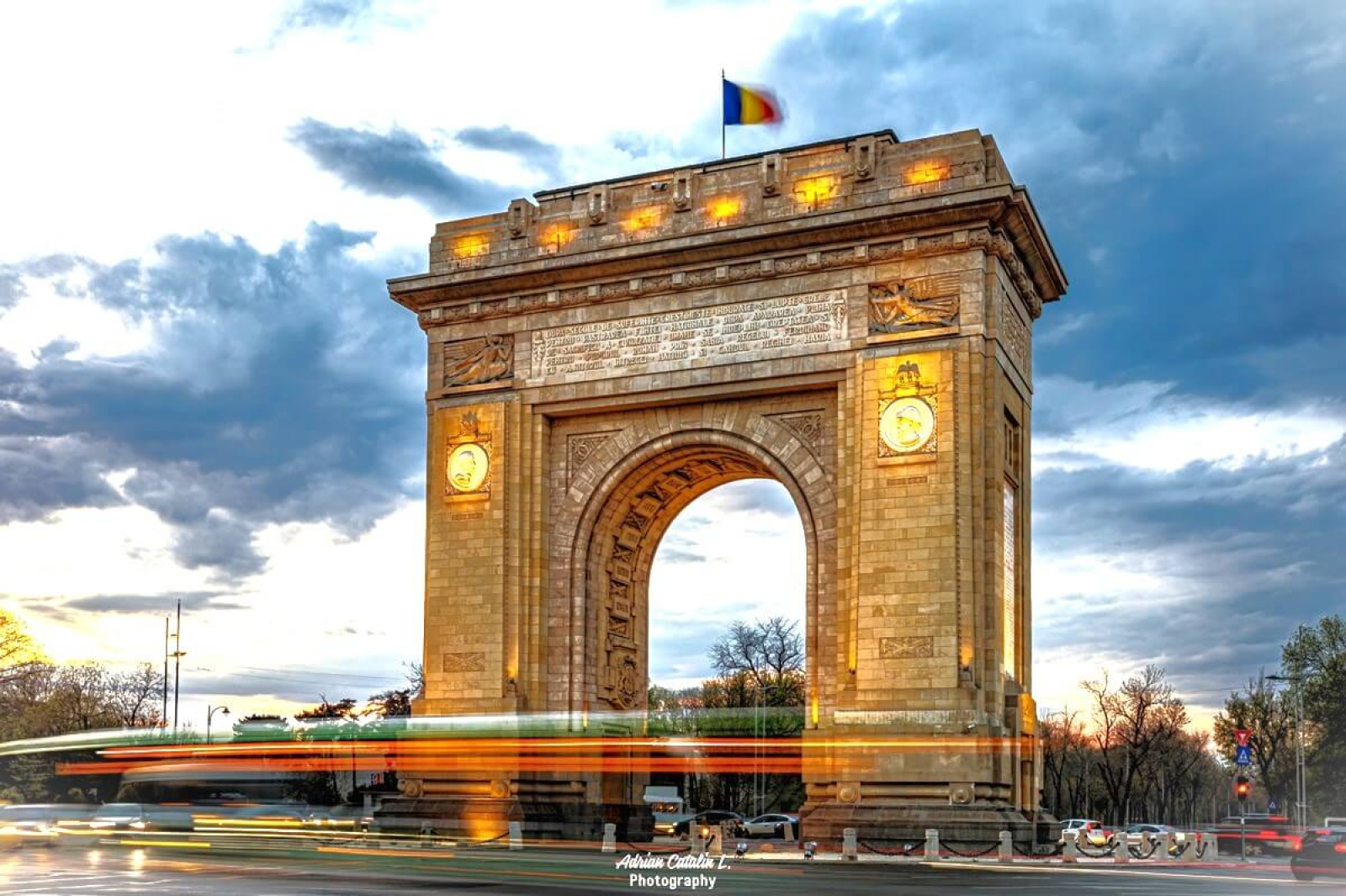
Bucharest is a true paradise for architecture lovers, the city proudly bearing the imprint of different eras and styles that intertwine harmoniously on streets and boulevards. Walking through the center of the capital, you will be immediately captivated by the elegance of Calea Victoriei, one of the city's most famous arteries, which crosses the historic heart and hosts monumental buildings with ornate facades and impressive architectural details. Not far from here, the Arch of Triumph rises imposingly, a symbol of history and Romanian victories, offering a spectacular visual attraction and an excellent opportunity for memorable photos.
For those passionate about art and royalty, the Royal Palace of Bucharest, which today houses the National Museum of Art of Romania, represents a classic example of elegance and refinement. Its impressive interior and valuable art collections offer a profound cultural experience, reflecting the sophisticated tastes of the Romanian monarchy and the European influences that have shaped the city over the centuries.
However, no visitor to Bucharest can ignore the Palace of the Parliament, a true architectural jewel and one of the largest and heaviest buildings in the world. Imposing and monumental, the Palace of the Parliament stands out through its extraordinary dimensions and the grandiose details of its interior, from massive halls to impressive staircases; every corner reflects the ambition and complexity of the project that deeply marked the capital's urban landscape. Visiting this architectural colossus offers a unique perspective on Romania's recent history and on how architecture can become an expression of power and national identity.
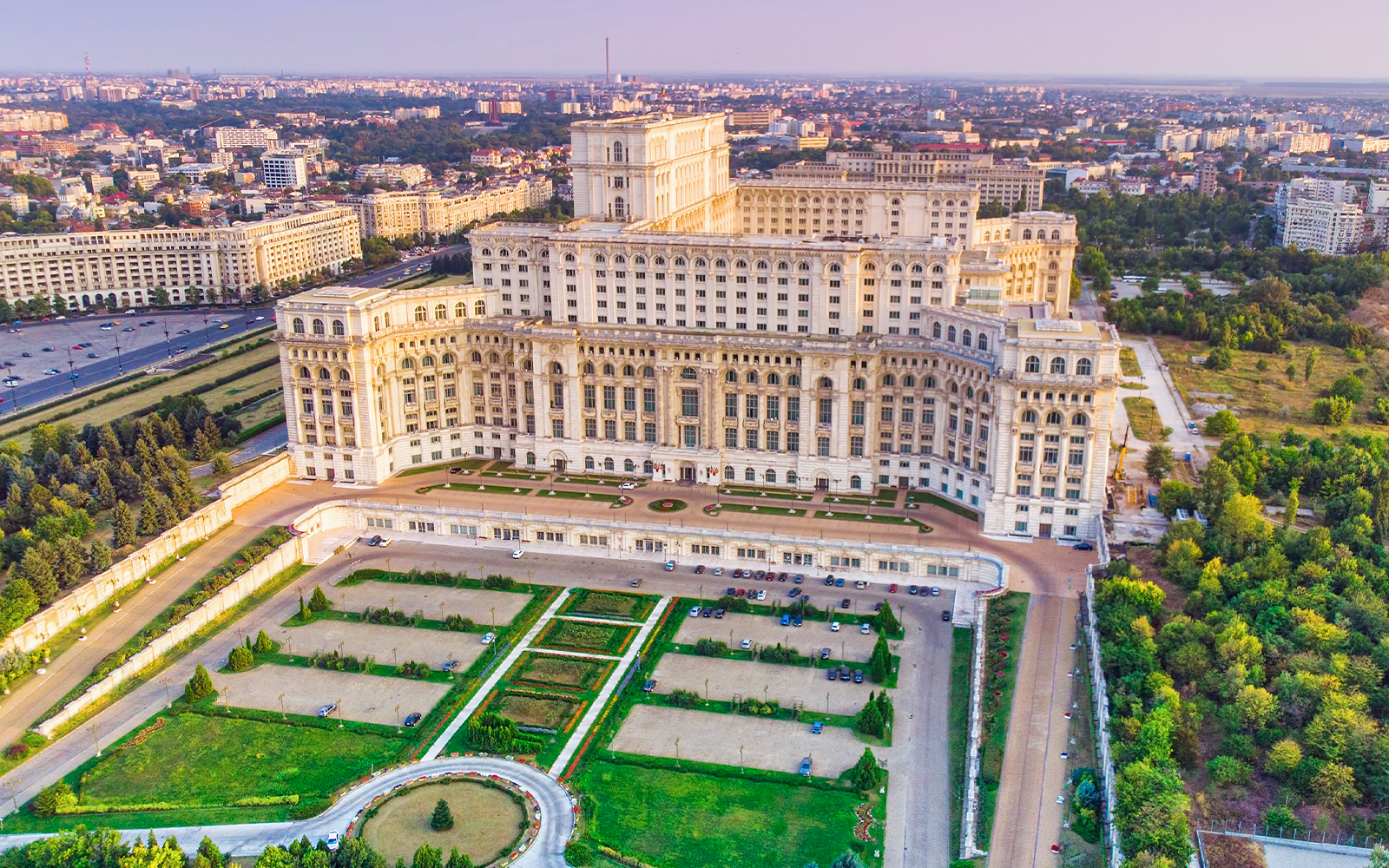
( Source: Bucharest Tickets )
In Bucharest, every street, square, and building tells a story, and the combination of historical architecture, monumental buildings, and modern details gives the city a unique charm. Whether you are passionate about emblematic monuments or discovering hidden corners with surprising architectural details, Bucharest promises a visual and cultural experience that combines the glorious past with the dynamic present, making it truly an unmissable city for any city break in 2026.
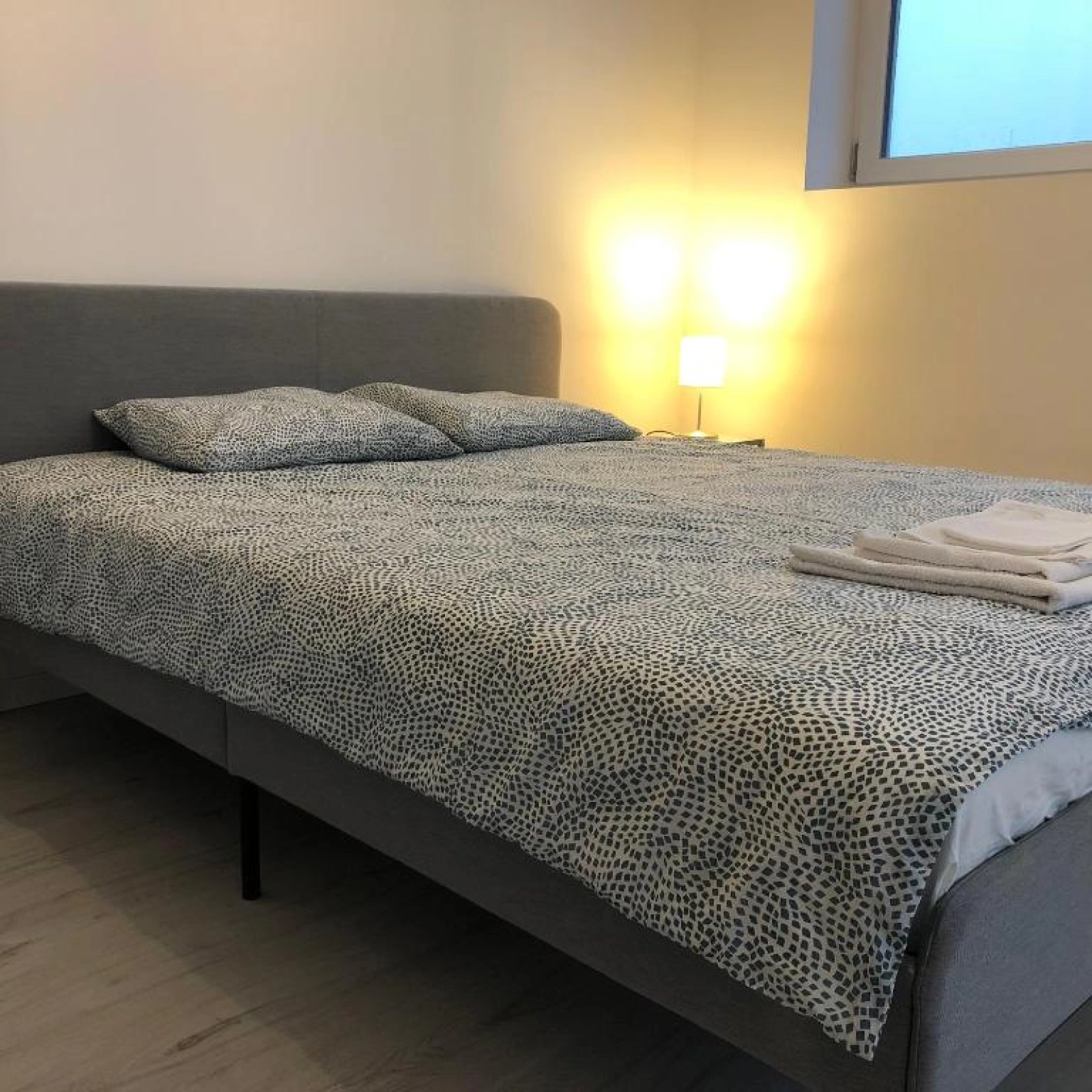
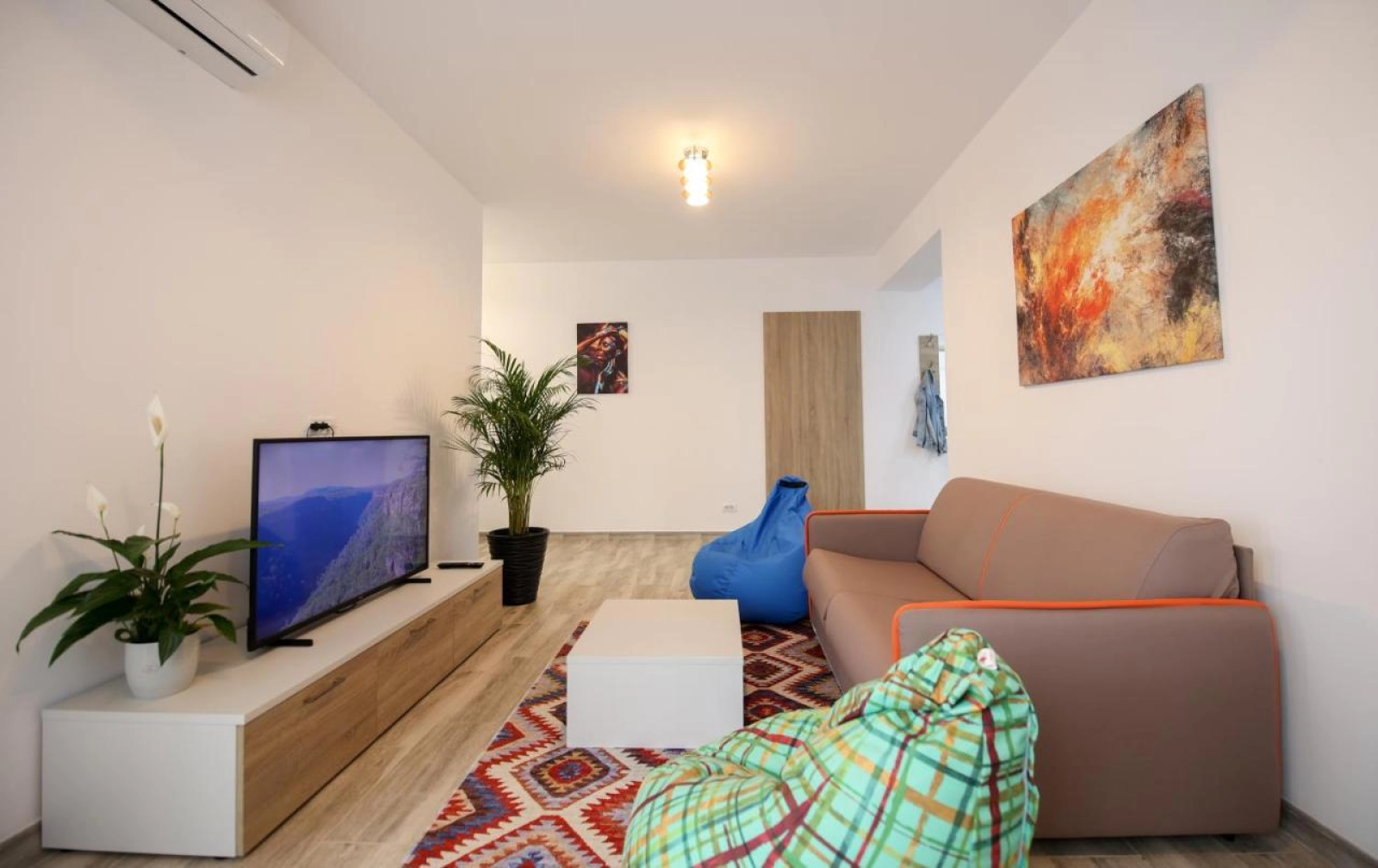
Cazări recomandate
Vezi tot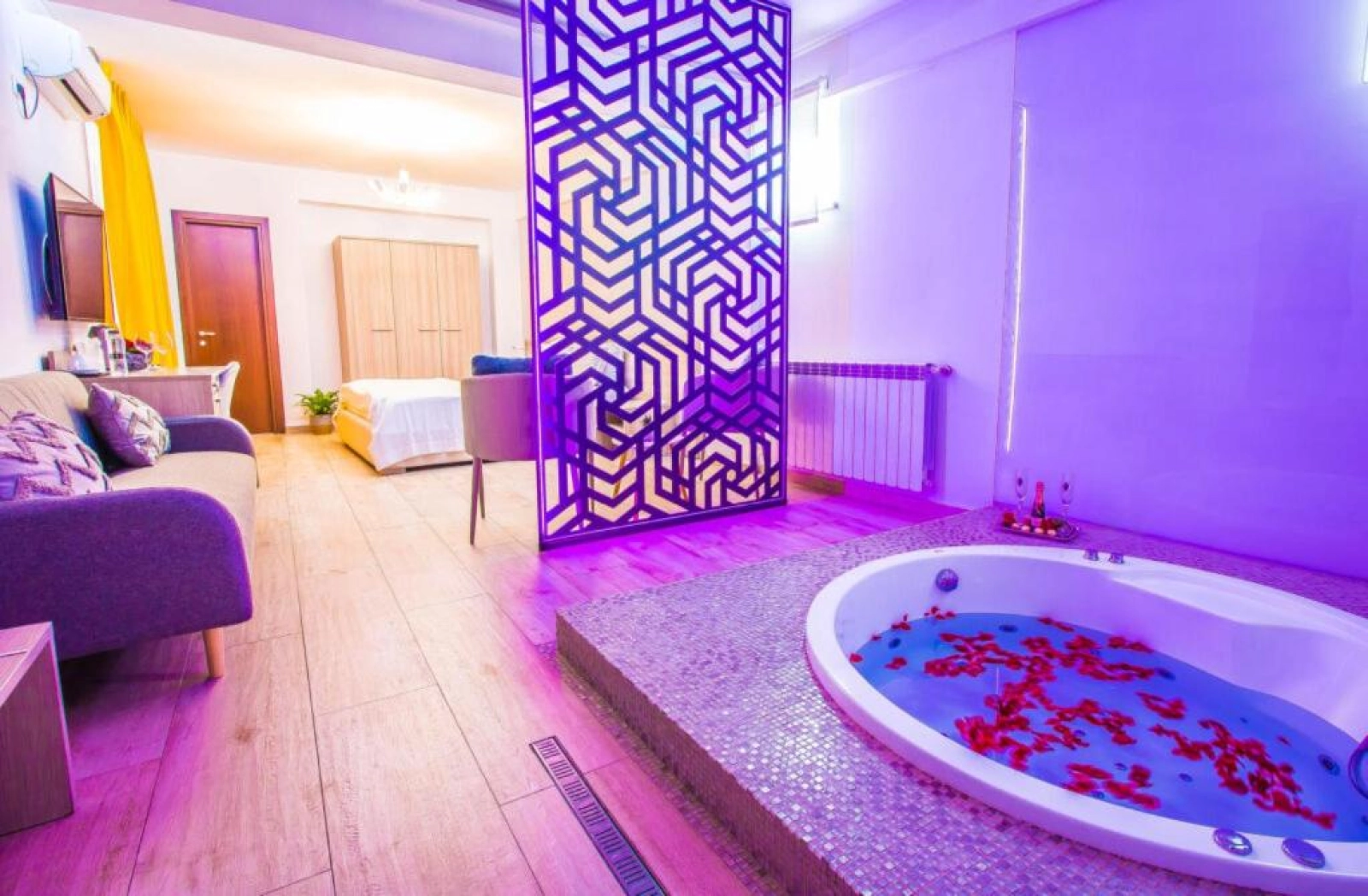
Unique History
Bucharest is a city of stories and events that have shaped Romania over the centuries, and for history enthusiasts, visiting the capital represents a true journey through time. From the first documentary attestations dating back to the 15th century, Bucharest evolved rapidly, becoming not only the country's political center but also a particularly important cultural and economic hub. Its streets, squares, and monumental buildings bear the imprint of Ottoman, Byzantine, French, and modern influences, creating a unique urban mosaic that can be discovered step by step.
An essential starting point for exploring the city's history is the National Museum of Romanian History, which houses impressive collections of artifacts, from prehistoric and medieval objects to relics illustrating royal life and the capital's transformations in the modern period. Not far from the city center, the "Dimitrie Gusti" National Village Museum offers a fascinating foray into Romanian rural traditions, bringing to the forefront authentic houses, old churches, and traditional crafts in a natural setting that allows visitors to feel the atmosphere of Romanian villages of yesteryear.

( Source: Muzeul Național al Satului Dimitrie Gusti )
For those interested in recent history, the National Museum of Contemporary Art and the Palace of the Parliament offer interesting perspectives on the communist period and its impact on the city through thematic exhibitions and the grandiose architecture that definitively changed the urban landscape. Moreover, the streets and squares of Bucharest hide impressive stories about the city's life in past centuries: from the Revolution of 1989, which marked Romania's transition to democracy, to the cultural and political events that have defined the capital's identity over time.
Bucharest's history is not just about buildings and museums, but also about its people, about the social and cultural changes that transformed a medieval city into a modern metropolis full of contrasts and surprises. Every museum visited, every street explored, and every square discovered brings you closer to the essence of this fascinating city, making Bucharest a city break destination that combines a glorious past with a vibrant present, offering every visitor a truly unique cultural and historical experience.
Gastronomy and Lifestyle
Bucharest is not just a city of monuments and history, but also a true destination for those who appreciate culinary experiences and modern lifestyle. The Romanian capital offers a fascinating combination of tradition and innovation, and for visitors, every meal can become an adventure that surprises tastes and senses. In the city center, elegant restaurants and chic bistros invite you to taste traditional Romanian dishes reinterpreted in a contemporary manner: from cabbage rolls and polenta to aromatic soups or delicious desserts like papanași with sour cream and jam. At the same time, the international gastronomic scene is extremely present, with restaurants offering Italian, French, Asian, or Mediterranean cuisine, reflecting the city's multicultural dynamism.

( Source: De Corina )
Daily life in Bucharest often unfolds in modern cafes, terraces with urban design, and sophisticated bars, which create perfect places for socializing or moments of relaxation after a day full of tourist explorations. The Lipscani district, with its cobbled streets and renovated historical buildings, is the vibrant center of nightlife and urban culture, where street art, live music, and top gastronomy blend harmoniously. Here too, modern markets and coworking spaces bring a cosmopolitan air, demonstrating how tradition can meet modernity in a natural and captivating way.
We must not forget the local markets either, which offer an authentic experience with fresh products, local fruits and vegetables, cheeses, and traditional cold cuts. Visiting them is not just a culinary treat but also a way to understand Romanian culture and habits through dialogue with producers and the authentic atmosphere of the markets. In Bucharest, every meal becomes an opportunity to discover the city from a different angle, and the urban, energetic, and creative lifestyle perfectly complements the tourist experience, transforming a city break into an ideal combination of relaxation, culture, and pleasure for all senses.
Bucharest, therefore, stands out not only through history or architecture but also through the way gastronomy and modern life define its identity, offering visitors a living city full of surprises and memorable experiences.
Religious Tourism
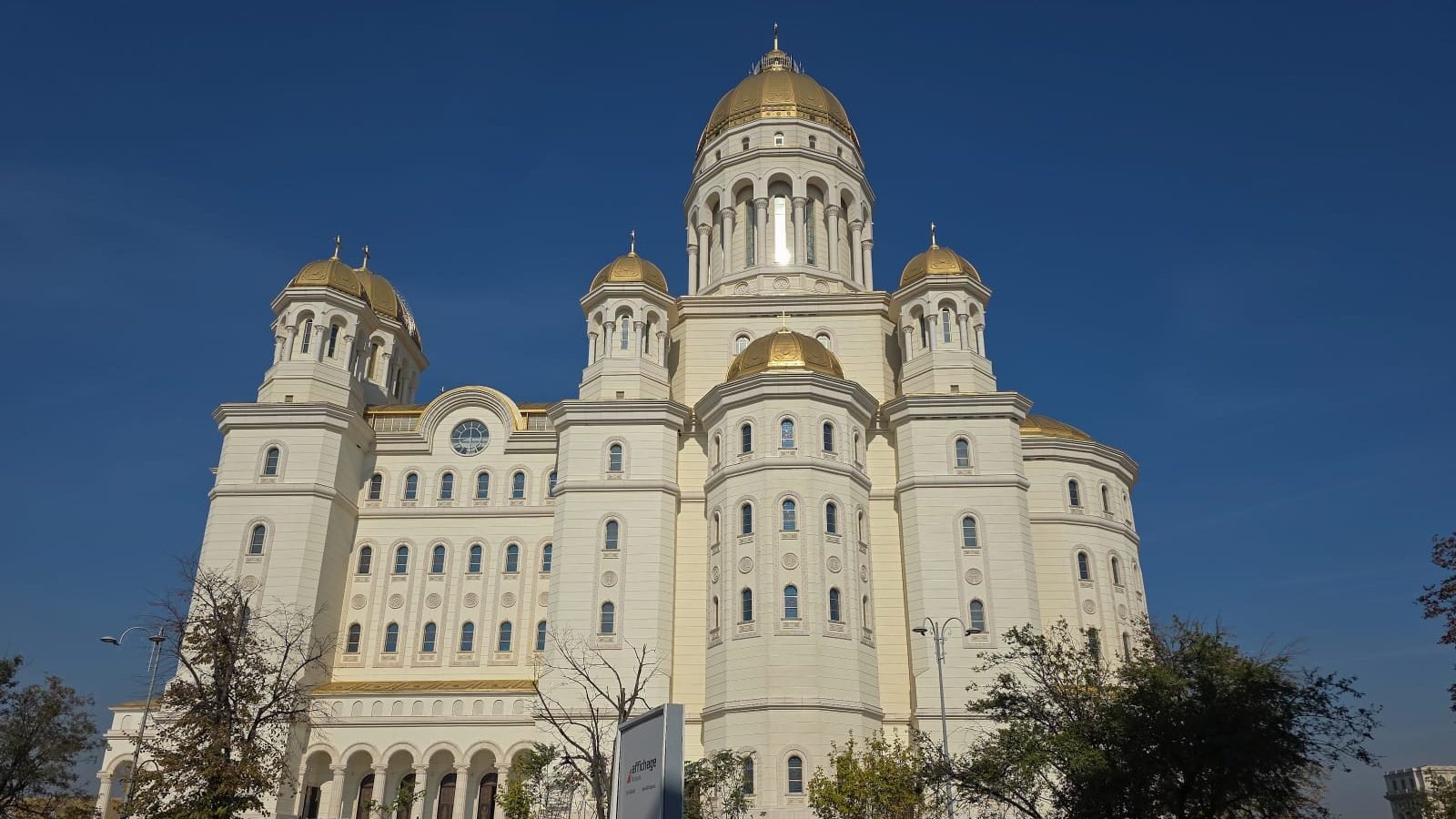
Bucharest is not only a city of urban bustle and cultural attractions but also a place where spirituality and religious architecture play an essential role, attracting visitors eager to discover the capital's traditions and sacred monuments. The most impressive symbol of religious tourism in Bucharest is undoubtedly the recently completed People's Salvation Cathedral, which rises proudly in the city center, offering not only a space for prayer but also a true architectural and cultural landmark. Its monumental construction impresses with its dimensions, design, and attention to detail, from impressive frescoes to ornate mosaics and columns, being already one of the most visited religious sites in Romania and a symbol of faith and national identity.
( Source: Libertatea )
Besides this emblematic cathedral, Bucharest abounds in churches and historical places of worship reflecting the city's rich spiritual heritage. The Stavropoleos Church, with its Brâncovenesc architecture and delicate decor, is an example of elegance and refinement, attracting tourists both through its artistic beauty and the tranquility it offers. St. Anthony Church and St. Spiridon the New Church are other important landmarks, each with its own stories and legends, each preserving authentic elements of Romanian religious architecture. Every church in Bucharest is not just a place of prayer but also a window to the past, offering information about the history of communities, the architectural styles that have succeeded one another, and the spiritual role of the city over the centuries.
Religious tourism in Bucharest thus offers a complex experience: visitors not only admire impressive buildings but come into contact with the traditions and faith that have shaped the capital's identity. Walks among cathedrals and churches, accompanied by the silence and solemnity of sacred spaces, contrast harmoniously with the urban agitation of the city, offering moments of reflection and contemplation. In 2026, for those seeking a complete cultural and spiritual experience, Bucharest represents an ideal destination where monumental architecture and religious traditions meet to offer visitors a memorable and meaningful journey.